Visualizar na parede Visualizar em RA Comprar pintura feita à mão Alternar para Imagem Digital Compartilhar
Detalhes Guia Adicionar aos favoritos Baixar imagem Semelhantes Raio X Ver diaporama Q&A Estatísticas

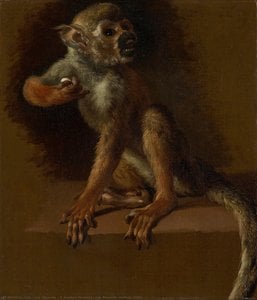
Dead Partridge

Discover "Dead Partridge" by Jan Baptist Weenix! This Dutch Golden Age masterpiece captures the stillness of death with stunning realism and masterful light. A captivating oil painting reproduction awaits.

Jan Baptist Weenix (1621-1659) foi um pintor da Era de Ouro Holandesa conhecido por paisagens italianas, cenas portuárias e naturezas-mortas de caça/cães. Pioneiro do estilo italianizante na arte holandesa. Explore suas obras!

Giclée / Impressão de Arte

Impressão giclée ou em tela de qualidade de museu, com produção rápida e opções flexíveis de acabamento. ( Comprar pintura feita à mão Alternar para Imagem Digital)

Corner sample of the P118B picture frame: poliestireno moldado, 5 cm wide and 3 cm thick
P118B €10
Corner sample of the P118H picture frame: poliestireno moldado, 5 cm wide and 3 cm thick
P118H €10
Corner sample of the P118W picture frame: poliestireno moldado, 5 cm wide and 3 cm thick
P118W €10
Corner sample of the P438Z picture frame: poliestireno moldado, 5.5 cm wide and 3.5 cm thick
P438Z €10
Corner sample of the P508JH picture frame: poliestireno moldado, 7 cm wide and 3.5 cm thick
P508JH €12
Corner sample of the P508YH picture frame: poliestireno moldado, 7 cm wide and 3.5 cm thick
P508YH €12
Corner sample of the P805H picture frame: poliestireno moldado, 5 cm wide and 3.5 cm thick
P805H €10
Corner sample of the P805Z picture frame: poliestireno moldado, 5 cm wide and 3.5 cm thick
P805Z €10
Corner sample of the P919BZ picture frame: poliestireno moldado, 7 cm wide and 3.5 cm thick
P919BZ €10
Corner sample of the P919G picture frame: poliestireno moldado, 7 cm wide and 3.5 cm thick
P919G €10
Corner sample of the P919XJ picture frame: poliestireno moldado, 7 cm wide and 3.5 cm thick
P919XJ €10
Corner sample of the P959ZH picture frame: poliestireno moldado, 5 cm wide and 3 cm thick
P959ZH €10
Corner sample of the P968JZ picture frame: poliestireno moldado, 6 cm wide and 4 cm thick
P968JZ €12
Corner sample of the W106C picture frame: madeira maciça, 5 cm wide and 3 cm thick
W106C €8
Corner sample of the W218G picture frame: madeira maciça, 5 cm wide and 3 cm thick
W218G €10
Corner sample of the W218JH picture frame: madeira maciça, 5 cm wide and 3 cm thick
W218JH €8
Corner sample of the W218Y picture frame: madeira maciça, 5 cm wide and 3 cm thick
W218Y €10
Corner sample of the W307PJ picture frame: madeira maciça, 6 cm wide and 3 cm thick
W307PJ €10
Corner sample of the W316G picture frame: madeira maciça, 6 cm wide and 3 cm thick
W316G €10
Corner sample of the W316PJ picture frame: madeira maciça, 6 cm wide and 3 cm thick
W316PJ €8
Corner sample of the W316Y picture frame: madeira maciça, 6 cm wide and 3 cm thick
W316Y €10
Corner sample of the W398PJ picture frame: madeira maciça, 5 cm wide and 3 cm thick
W398PJ €8
Corner sample of the W4111J picture frame: madeira maciça, 6.5 cm wide and 3.5 cm thick
W4111J €10
Corner sample of the W500HY picture frame: madeira maciça, 7 cm wide and 5 cm thick
W500HY €15
Corner sample of the W500JH picture frame: madeira maciça, 7 cm wide and 5 cm thick
W500JH €15
Corner sample of the W692G picture frame: madeira maciça, 8 cm wide and 4 cm thick
W692G €12
Corner sample of the W849H picture frame: madeira maciça, 5 cm wide and 3 cm thick
W849H €8
Corner sample of the W940BG picture frame: madeira maciça, 7.5 cm wide and 4.5 cm thick
W940BG €15
Corner sample of the W953PJ picture frame: madeira maciça, 6 cm wide and 3.5 cm thick
W953PJ €8

Tamanho padrão
personalizado
CM
INCH

Escolha entre os nossos tamanhos pré-definidos que respeitam as proporções originais da obra de arte.

largura
altura

Insira a largura e a altura desejadas para se ajustarem à sua moldura ou parede. Uma impressão pode ser apenas cortada, nunca ampliada além da imagem original; portanto, um tamanho com proporções diferentes resultará na perda de parte da imagem. Enviamos uma maquete digital para sua aprovação antes de realizarmos a impressão. A imagem exibida nesta página não mostra o corte real — apenas a maquete o faz.

Entrega mundial () em 2 semanas, em vez das 4/5 semanas padrão. (28 Outubro)

Envio expresso gratuito para todo o mundo
Tela de Linho de Alta Qualidade
Seguro de transporte completo
Garantia de Reembolso de Impostos Alfandegários
Garantia de Fidelidade Cromática
Política de Devolução em 100 Dias (Apenas para Defeitos)
Garantia de reembolso de 100%
Oferta de desconto por quantidade

Preço Total

€ 60

Dead Partridge

Giclée / Impressão de Arte

Tamanho da Reprodução

-

Preço Total

€ 60

Informações Rápidas

  • Dimensions: 50 x 43 cm
  • Influences:
    • Willem Kalf
    • Balthasar van der Ast
  • Location: Mauritshuis, The Hague
  • Year: 1650
  • Notable elements: Chiaroscuro, detail

Quiz de Arte

Cada pergunta possui apenas uma resposta correta.

Pergunta 1:
What is the primary subject depicted in Jan Baptist Weenix’s ‘Dead Partridge’?
Pergunta 2:
In which museum can you find the painting ‘Dead Partridge’?
Pergunta 3:
What artistic technique is prominently used in ‘Dead Partridge’ to create a sense of depth and volume?
Pergunta 4:
Around what year was ‘Dead Partridge’ painted?
Pergunta 5:
The composition of 'Dead Partridge' is characterized by its simplicity and attention to detail. What element contributes most to this effect?

A Moment of Stillness: Exploring the Haunting Beauty of "Dead Partridge"

Jan Baptist Weenix’s “Dead Partridge,” painted around 1650-1652 and now residing within the esteemed Mauritshuis in The Hague, is more than just a depiction of a fallen bird; it's a meticulously crafted meditation on mortality, observation, and the subtle poetry of the natural world. Born in Amsterdam during a period of burgeoning artistic innovation, Weenix emerged as a pivotal figure in Dutch Golden Age painting, particularly renowned for his pioneering approach to Italianate landscapes infused with human presence – a technique that profoundly influenced generations of artists to come. This particular work, rendered in oil on canvas measuring 50 x 43 cm, exemplifies his mastery of chiaroscuro and his uncanny ability to capture the fleeting essence of life’s transience.

The composition is strikingly simple yet deeply resonant. A single, dead partridge hangs suspended from a nail, its feathers arranged in an almost deliberate, unsettling display against a muted beige background. The bird's posture – feet tied together, plumage spread wide – immediately evokes a sense of vulnerability and finality. Crucially, the scene isn’t presented with overt drama or pathos; instead, Weenix employs a quiet restraint that amplifies the painting’s contemplative mood. This deliberate lack of sentimentality is characteristic of his style, prioritizing precise observation and technical skill over emotional excess.

The Language of Light and Shadow: A Study in Technique

Weenix's genius lies not just in his subject matter but also in his masterful manipulation of light and shadow. The painting’s illumination is carefully controlled, creating a dramatic interplay between dark tones and subtle highlights that imbue the scene with depth and volume. The artist utilizes *chiaroscuro* – the contrasting of strong light and deep shadows – to sculpt the bird's form, drawing the viewer’s eye directly to its lifeless body. Notice how the folds of the feathers are rendered with painstaking detail, each strand appearing almost tangible. The subtle gradations of color—from the rich browns and ochres of the plumage to the cool grays and beiges of the background—further enhance the painting's realism and atmospheric quality.

Furthermore, Weenix’s technique is reminiscent of other prominent Dutch Masters like Willem Kalf and Balthasar van der Ast, both known for their meticulous attention to detail and their ability to capture the textures of everyday objects. The artist’s brushwork is remarkably smooth and controlled, contributing to the painting's overall sense of serenity and composure. The careful rendering of the nail itself—its rough texture and slightly tarnished surface—adds a layer of realism that elevates the work beyond mere representation.

Historical Context and Symbolic Resonance

“Dead Partridge” was painted during the Dutch Golden Age, a period of unprecedented artistic flourishing fueled by economic prosperity and intellectual curiosity. The painting reflects the era’s fascination with still life – a genre that allowed artists to explore themes of mortality, beauty, and the transient nature of earthly possessions. The partridge itself held symbolic significance in 17th-century Dutch culture, often associated with abundance, fertility, and even death—a poignant reminder of the cyclical nature of life and decay. The painting’s setting – a simple, neutral background – further emphasizes the bird's vulnerability and underscores its role as the central focus of attention.

Interestingly, Weenix’s work draws inspiration from Italianate traditions, particularly the depictions of hunting scenes found in the paintings of artists like Jacopo de’ Barbari. This influence is evident in the painting’s composition—the bird's pose and the arrangement of its feathers echo those seen in earlier Italian works. However, Weenix transforms these borrowed elements into something uniquely his own, imbuing them with a distinctly Dutch sensibility.

A Timeless Masterpiece: Reproduction Possibilities

Today, “Dead Partridge” stands as a testament to Jan Baptist Weenix’s artistic vision and technical skill. If you're captivated by this hauntingly beautiful painting, consider commissioning a high-quality reproduction from our skilled artisans. We meticulously recreate the original’s nuances—the subtle gradations of color, the delicate brushwork, and the evocative atmosphere—to ensure that your reproduction captures the essence and beauty of this timeless masterpiece. Explore our available reproductions here.

Perguntas e Respostas

Que tipo de obra de arte é "Dead Partridge", de Jan Baptist Weenix?

"Dead Partridge" é uma obra de WallArt.

"Dead Partridge", de Jan Baptist Weenix está localizado no país de origem do artista?

Sim – a obra de arte encontra-se no país de origem do artista. O país de nascimento de Jan Baptist Weenix é Países Baixos, e o museu que detém o original de "Dead Partridge" está em Países Baixos.

Quais temas aparecem em "Dead Partridge", de Jan Baptist Weenix?

Os temas presentes em "Dead Partridge", de Jan Baptist Weenix incluem partridge, hunting, dutch masters, composition, light & shadow, still life, baroque, weenix. Juntos, eles sintetizam o assunto da obra.


Biografia do Artista

O Visionário da Era de Ouro Holandesa

Jan Baptist Weenix ergue-se como uma figura singular dentro da Era de Ouro Holandesa, celebrado por sua mistura distinta de observação meticulosa e visão imaginativa. Embora sua produção artística tenha sido relativamente modesta em comparação com contemporâneos como Rembrandt ou Vermeer, a contribuição de Weenix para a história da arte holandesa é inegável — particularmente sua exploração inovadora de paisagens italianas infundidas com figuras humanas, estabelecendo um precedente estilístico que ecoaria por gerações subsequentes. Nascido em Amsterdã, próximo ao movimentado porto, em 1621, Weenix descendia de uma família de arquitetos, uma linhagem que provavelmente moldou seus anos formativos em meio ao fermento intelectual e estrutural da época.

Apesar de enfrentar desafios pessoais — relatos sugerem que ele lutava com a fala devido a uma condição médica — Weenix possuíam uma paixão ardente pela literatura e pela arte, fomentada por uma mãe que agiu proativamente para que ele aprendesse o ofício sob a tutela de Jan Micker, cunhado de Rembrandt. Este treinamento precoce instilou nele uma abordagem disciplinada ao desenho e à observação que se tornariam as marcas registradas de sua obra. Ele aperfeiçoou ainda mais suas habilidades em Utrecht, sob a orientação de Abraham Bloemaert, e retornou a Amsterdã para estudar com Claes Corneliszoon Moeyaert, consolidando sua base nas correntes artísticas predominantes dos Países Baixos.

Uma Jornada Através da Luz e da Paisagem

A trajetória da carreira de Weenix foi profundamente alterada por suas viagens, mais notavelmente sua jornada a Roma em 1643 ao lado de Nicolaes Pieterszoon Berchem. Esta excursão permitiu que ele encontrasse o vibrante meio intelectual e artístico da guilda Bentvueghels, uma experiência que o impulsionou em direção a um alcance estilístico mais expansivo. Em Roma, ele abraçou o estilo italianizante, caracterizado por uma luz dourada e quente e paisagens clássicas que contrastavam belamente com os tons mais frios e sombrios da pintura holandesa tradicional. Este período de influência romana permitiu-lhe dominar a arte da "paisagem italianizante", onde a beleza rústica do sul da Europa era reimaginada através de uma lente do norte da Europa.

Seu trabalho durante esta era frequentemente fundia a grandiosidade de cenários clássicos com elementos humanos íntimos. Seja retratando cenas portuárias que sussurravam sobre o comércio marítimo ou vistas expansivas que evocavam uma sensação de atemporalidade, Weenix possuía uma habilidade única de capturar a atmosfera de um lugar. Sua maestria não se limitava a vastos horizontes; ele era igualmente adepto de capturar a realidade silenciosa e muitas vezes visceral da vida através de suas naturezas-mortas. Suas representações de caça e animais eram marcadas por um realismo surpreendente, onde cada textura — desde o pelo áspero de um cão de caça até o brilho delicado das penas — era renderizada com uma precisão de tirar o fôlego.

Legado de Realismo e Arte

A importância de Jan Baptist Weenix reside em sua capacidade de construir uma ponte entre o realismo cru da tradição holandesa e a beleza idealizada do movimento italianizante. Sua versatilidade permitiu-lhe navegar por diversos temas, desde a tensão dramática encontrada em obras como Após a Caçada até a intensidade silenciosa e quase sombria de seus estudos animais. Através de seu pincel, o espectador é convidado a entrar em um mundo onde as fronteiras entre o mundo natural observado e o passado clássico imaginado são belamente desfeitas.

Ao refletirmos sobre sua vida e obra, vários elementos fundamentais definem sua importância duradoura:

  • Inovação Estilística: Ele foi um pioneiro na integração de elementos da paisagem italianizante na tradição holandesa, criando uma nova linguagem visual para seus contemporâneos.
  • Maestria Técnica: Seu treinamento disciplinado permitiu um nível extraordinário de detalhe tanto em paisagens de grande escala quanto em naturezas-mortas íntimas.
  • Versatilidade: Sua habilidade de transitar perfeitamente entre cenas portuárias, motivos de caça e retratos de animais demonstra uma rara amplitude de talento.
  • Impacto Histórico: Como membro dos Bentvueghels, ele ajudou a promover o intercâmbio internacional de ideias artísticas que definiram o mundo da arte do século XVII.

Embora sua vida tenha sido relativamente curta, terminando em 1661, a marca deixada por Jan Baptist Weenix permanece visível na evolução da pintura de paisagem. Ele ensinou às gerações futuras como olhar para o horizonte não apenas como um limite, mas como uma tela para a luz, a história e a emoção humana.

Jan Baptist Weenix

Jan Baptist Weenix

1621 - 1661 , Países Baixos

Dados Rápidos

  • Artistic Movement Or Style: Idade de Ouro Holandesa
  • Artists Or Movements Influenced By This Artist: ['Pintura italianizante']
  • Artists Who Influenced This Artist:
    • Abraham Bloemaert
    • Claes Corneliszoon Moeyaert
  • Date Of Birth: Amsterdã, Países Baixos (1621)
  • Date Of Death: 1661
  • Full Name: Jan Baptist Weenix
  • Nationality: Holandês
  • Notable Artworks:
    • Após a Caçada
    • O Remendão e seu Cão
    • Um Cão e um Gato perto de um Cervo parcialmente eviscerado
  • Place Of Birth: Amsterdã