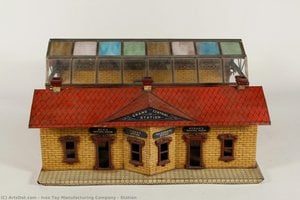
The Whimsical World of Ives: Pioneering American Toy Manufacturing
The name “Ives” conjures a specific nostalgia for many – a golden age of tin toys, vibrant lithography, and mechanical marvels that captivated generations of American children. But the Ives Toy Manufacturing Company wasn’t simply a producer of playthings; it was a cultural force, reflecting and shaping the nation's burgeoning industrial spirit and evolving leisure habits throughout the late 19th and early-to-mid 20th centuries. Founded in 1865 by Edward Ives in Bridgeport, Connecticut, the company began not with toys at all, but with japanning – a process of applying decorative varnish to tinware. This initial venture proved successful, providing a foundation for expansion into other metal products, and ultimately, the creation of toys that would become synonymous with American childhood.
Edward Ives’s early success stemmed from recognizing a growing demand for affordable household goods. However, it was his son, Harry C. Ives, who truly steered the company towards its iconic identity. Harry possessed an innate understanding of marketing and a keen eye for design. He recognized that toys weren't merely functional items but vessels for imagination and aspiration. The late 19th century saw a shift in societal attitudes toward childhood; play was increasingly viewed as essential to development, not simply a frivolous pastime. Ives capitalized on this evolving perspective, producing toys that were both accessible and appealing.
From Japanning to Joy: The Rise of a Toy Empire
The transition from tinware to toys wasn’t immediate. Ives initially experimented with various metal products before focusing wholeheartedly on playthings around the turn of the century. Early toy offerings included trains, automobiles, and character figures – all reflecting the technological advancements that were rapidly transforming American life. What distinguished Ives from its competitors was a commitment to quality and innovation. The company invested heavily in machinery capable of producing intricate designs and reliable mechanisms. This dedication resulted in toys that weren’t easily broken or quickly discarded, fostering brand loyalty and establishing Ives as a leader in the industry.
The early 20th century witnessed an explosion of creativity at Ives. They were pioneers in utilizing lithography – a printing process using stone or metal plates – to create stunningly colorful and detailed imagery on their toys. This technique allowed for realistic depictions of trains, cars, and other objects, enhancing the play experience. Furthermore, Ives wasn’t afraid to embrace new technologies; they incorporated electric motors into many of their products, creating some of the first battery-operated toys available to the mass market. The company's commitment to innovation extended beyond mechanics to include clever marketing strategies, such as beautifully illustrated catalogs and eye-catching store displays.
Iconic Creations & Lasting Influence
Ives produced a staggering array of toys during its heyday, but certain creations stand out as particularly emblematic of the company’s style and impact. The “Lionel” trains – though later becoming a competitor – were initially manufactured by Ives under contract before Lionel took over production. The company's early automobiles, often modeled after real-life vehicles, captured the excitement surrounding the burgeoning automotive industry. Perhaps most iconic are the character toys – tin figures depicting clowns, policemen, and other beloved archetypes. These weren’t simply representations of people; they were imbued with personality and charm, inviting children to create their own narratives.
- Mechanical Marvels: Ives was renowned for its complex clockwork mechanisms that brought toys to life.
- Vibrant Lithography: The company’s use of color and detail set a new standard for toy design.
- Accessibility & Affordability: Ives made quality toys available to a wide range of American families.
A Legacy in Miniature
The Great Depression brought significant challenges to the Ives Toy Manufacturing Company. While they adapted by producing lower-cost toys, the company never fully regained its pre-Depression prominence. Harry C. Ives’s death in 1938 marked a turning point, and the company was eventually absorbed into other toy manufacturers. However, the legacy of Ives endures. Their toys are highly sought after by collectors today, not merely as nostalgic artifacts but as significant examples of American industrial design and cultural history.
The whimsical world created by Ives continues to fascinate and inspire. These weren’t just toys; they were miniature reflections of a nation on the move – a testament to ingenuity, craftsmanship, and the enduring power of play.



 Visualizar na parede
 Alternar para Impressão
 Compartilhar
 Compartilhar
 Detalhes

 Baixar imagem
 Semelhantes
 Raio X
 Slideshow
 Estatísticas
 Ler mais






































 A opção de vidro está disponível apenas para tamanhos inferiores a 110 cm