


x


 Comprar impressão Comprar imagem em alta resolução
 Enviar
 Details
 Adicionar aos favoritos
 Baixar
 Semelhantes
 X-Ray
X-Ray
 Slideshow
Óleo sobre tela pintado à mão no seu tamanho e moldura, feito sob encomenda pelos nossos artistas.





























Escolha entre os nossos tamanhos pré-definidos que respeitam as proporções originais da obra de arte.

Pode inserir as suas próprias dimensões para se adequar a uma moldura ou espaço específico. Se o tamanho selecionado não corresponder às proporções da imagem original, iremos cortar a obra de arte ou estender a pintura com elementos adicionais pintados à mão. Um esboço digital será enviado para sua aprovação antes do início da produção.
Tenha em atenção que a pré-visualização no ecrã não reflete o corte ou extensão real. Apenas o esboço mostrará com precisão a composição final.
Embora tamanhos personalizados estejam disponíveis, recomendamos selecionar uma dimensão da lista predefinida para preservar as proporções originais.
Entrega Mundial () em 3 a 4 semanas, em vez das 5 semanas padrão. (1 Julho). Sem comprometer a qualidade.


Mrs Florence Humphris
Dimensões da Reprodução
Henry Scott Tuke's “Mrs Florence Humphris,” painted in 1892, is more than just a portrait; it’s a carefully constructed tableau of Victorian sensibility and subtle emotional depth. The artwork immediately draws the viewer into a scene of contemplative serenity, anchored by the dignified presence of Mrs. Humphris herself. Tuke, a key figure within the Newlyn School movement, masterfully employs impressionistic techniques to capture not just her likeness but also an atmosphere—a sense of quiet contemplation and understated beauty that speaks volumes about the era.
The composition is remarkably balanced, centering Mrs. Humphris within a dark, almost velvety background. This strategic use of darkness serves to heighten the luminosity of her figure, directing our attention entirely to her face – a study in delicate features and a hint of melancholy. The loose brushstrokes, characteristic of Tuke’s style, create a sense of movement and vibrancy, particularly evident in the folds of her dress and the suggestion of light playing across her skin. The palette is restrained, dominated by muted greens, browns, and creams, lending the painting an air of timelessness and sophistication.
Understanding Tuke’s artistic journey requires acknowledging his deeply rooted family history. Born into a prominent Quaker lineage – a family renowned for its commitment to social reform and humane treatment – Henry Scott Tuke inherited not only an appreciation for art but also a strong sense of ethical responsibility. His father, Daniel Hack Tuke, was a pioneering psychiatrist who established the Retreat at York, one of the first modern asylums dedicated to providing compassionate care for individuals with mental illness. This familial legacy undoubtedly influenced Tuke’s artistic sensibilities, imbuing his work with a quiet dignity and an empathetic gaze.
The portrait itself is believed to be a tribute to Mrs. Humphris, a woman of considerable social standing within her community. The pearl necklace she wears – a subtle yet significant detail – speaks to her wealth and status, while the gentle expression on her face suggests a quiet strength and inner peace. It’s a testament to Tuke's ability to capture not just physical appearance but also the essence of his subject’s character.
Tuke’s masterful use of light is central to the painting’s impact. The directional lighting, originating from the left, sculpts Mrs. Humphris's face and upper body, creating a dramatic interplay of shadows and highlights. This technique not only adds depth and realism but also evokes a sense of mood—a subtle melancholy that permeates the scene. The loose brushwork, a hallmark of impressionism, contributes to this effect, suggesting movement and capturing the fleeting quality of light.
Beyond its technical brilliance, “Mrs Florence Humphris” is rich in symbolism. The muted color palette, reminiscent of a late afternoon sun, evokes feelings of nostalgia and tranquility. The dark background serves as a visual anchor, emphasizing Mrs. Humphris’s presence and drawing the viewer into her world. Even the simple act of sitting quietly, absorbed in thought, carries symbolic weight—a representation of Victorian ideals of domesticity and refined sensibility.
“Mrs Florence Humphris” remains a captivating work of art, offering a glimpse into the social and artistic landscape of late 19th-century England. Tuke’s ability to capture both physical likeness and emotional depth is truly remarkable, resulting in a portrait that transcends mere representation and becomes a poignant meditation on beauty, grace, and the quiet dignity of human experience. It's a piece that continues to resonate with viewers today, inviting us to contemplate its subtle complexities and appreciate the enduring power of art.


1858 - 1929 , Reino Unido
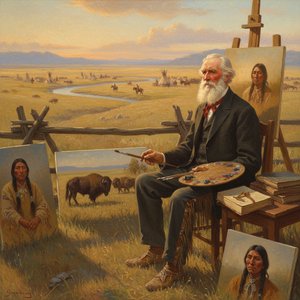
Explore the life & art of Joseph Henry Sharp, a founding member of the Taos Society of Artists renowned for his realistic depictions of Native American culture and Western landscapes. Discover his legacy with WahooArt.

Commission breathtaking bespoke fantasy art with skilled oil painters. Explore techniques, artist selection & preservation tips. Invest in a unique masterpiece today!
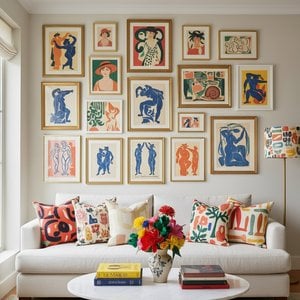
Descubra as 25 obras-primas de Henri Matisse que revolucionaram a arte moderna! Explore o Fauvismo, cores vibrantes e a história por trás dos quadros mais famosos do artista. Encontre reproduções de alta qualidade para decorar sua casa com WahooArt.com.

Descubra a arte de transformar memórias em retratos a óleo personalizados e reproduções de alta qualidade. Artistas experientes, técnicas clássicas e investimento seguro para colecionadores exigentes. WahooArt.com.
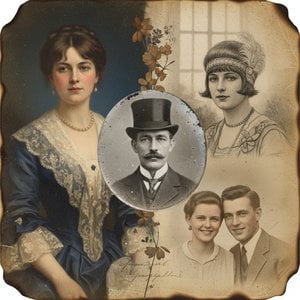
Explore the captivating world of vintage portrait art! Discover styles, techniques & the enduring appeal of 19th-century masterpieces. Expert restoration, custom reproductions & appraisal services at WahooArt.


Fique por dentro das últimas notícias de arte, ofertas exclusivas e ideias de decoração.
Conte-nos sobre o seu projeto e os nossos especialistas em arte fornecerão 3 sugestões de arte personalizadas.
Deixe-nos selecionar 3 opções especialmente para você – Grátis!
 Compartilhar









 Saiba mais
 A opção de vidro está disponível apenas para tamanhos inferiores a 110 cm


