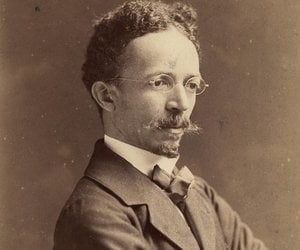
Henry Ossawa Tanner - Um Pioneiro da Arte Afroamericana
Henry Ossawa Tanner (OS-uh-wuh) foi um pintor estadunidense e o primeiro pintor afro-estadunidense a obter aclamação internacional. Ele nasceu em Pittsburgh, Pensilvânia, em 21 de junho de 1859, filho de Benjamin Tucker Tanner, um futuro bispo na Igreja Metodista Episcopal Africana (AME), e Sarah Miller Tanner, uma mulher que escapou da escravidão pela Ferrovia Subterrânea. Seu pai era educado na Universidade Avery e Seminário Teológico Ocidental em Pittsburgh, onde desenvolveu uma carreira literária.
Sarah Tanner havia sido libertada como escrava por meio da Ferrovia Subterrânea e compartilhava o compromisso de seu marido com a educação ao conduzir uma escola comunitária em sua casa em Pittsburgh. Sua origem branca influenciou a aparência física de Henry, que nasceu com uma pele clara.
Desde cedo, Tanner demonstrou um interesse excepcional pela arte, nutrido por observações de artistas locais e incentivado apesar das barreiras sociais enfrentadas por artistas afro-americanos na época. Sua família mudou-se para Filadélfia em 1868, onde ele estudou na Academia Filadélfia das Artes em 1879 sob a tutela de Thomas Eakins—um revolucionário figura defendendo o realismo e o estudo anatômico—e ali desenvolveu suas habilidades técnicas e um firme compromisso em capturar a verdade sobre tela.
Paris e o Desenvolvimento Artístico
Um ponto crucial ocorreu em 1891 quando Tanner embarcou em uma jornada para Paris, inicialmente com a intenção de estudar na Academia Julien em Roma. No entanto, o fascínio pela cidade francesa provou ser irresistível. Ele se matriculou na Academia Julian, imergindo-se no vibrante cenário cultural parisiense e absorvendo as influências da arte acadêmica francesa e do Impressionismo emergente. Foi em Paris que Tanner realmente encontrou sua voz, libertado de algumas das restrições impostas pelo preconceito racial em casa.
Em 1896, a aceitação de Daniel na Lions pela prestigiosa Salon foi um marco histórico—uma afirmação estrondosa do talento dele e uma ruptura para um pintor afro-americano no palco internacional. Esse sucesso abriu portas para mais exposições e encomendas, estabelecendo Tanner como uma figura respeitada nos círculos artísticos franceses. Ele não apenas sobrevivia; ele prosperava, desafiando expectativas e abrindo caminho para futuras gerações de artistas.
Temas Religiosos e Realismo Sensível
A obra de Tanner é caracterizada por uma combinação fascinante entre realismo, simbolismo religioso e retratos íntimos da experiência humana. Embora suas obras iniciais como “O Lição do Banjo” oferecessem representações dignificantes da vida afro-americana—um contraste marcante com os estereótipos predominantes na época—ele passou a explorar narrativas bíblicas como meio de investigar temas universais de fé, sofrimento e redenção. Pinturas como “Cristo Caminhando Sobre a Água” e “A Ressurreição de Lázaro” não são apenas imagens da Escritura; elas são meditações profundas sobre espiritualidade, apresentadas com controle técnico impecável e emoção refinada.
Além das obras religiosas, Tanner também explorou paisagens panorâmicas—como a vasta “Vista Panorâmica do Palácio e Jardins de Versalhes”—demonstrando sua versatilidade e domínio técnico. Sua abordagem artística refletiu uma profunda influência da Escola Acadêmica Francesa e um reconhecimento crescente da beleza estética como expressão de valores humanos elevados.
Legado e Reconhecimento Internacional
Henry Ossawa Tanner permanece uma figura monumental na história da arte americana, não apenas por suas conquistas artísticas, mas também por seu papel pioneiro na quebra de barreiras raciais. Ele foi o primeiro pintor afro-americano a obter reconhecimento internacional generalizado, desafiando estereótipos e abrindo portas para inúmeros artistas que o seguiram. Seu sucesso desafiou expectativas e demonstrou que talento não conhece cor.
Tanner tornou-se um símbolo de esperança e resiliência para a comunidade afro-americana, provando que excelência pode triunfar sobre adversidade. Em 1923, ele foi homenageado como cavaleiro da Legião Honorária pelo governo francês—uma testemunha adicional de sua estatura artística.
Ele passou longe de Paris em 1937, onde faleceu pacificamente aos 77 anos após uma vida dedicada à arte e à luta pela igualdade. Sua obra permanece um poderoso lembrete do poder transformador da arte e da força espiritual humana.



 Visualizar em escala
 Encomendar reprodução pintada à mão
 Enviar
 Compartilhar
 Ver detalhes
 Guia
Guia

 Baixar imagem
 Semelhantes
 Raio X
 Apresentação de slides
 Estatísticas


 Ver mais






































 A opção de vidro está disponível apenas para tamanhos inferiores a 110 cm