Visualizar em escala Visualizar em RA Encomendar reprodução pintada à mão Ver Imagem Digital Enviar
Ver detalhes Guia Adicionar aos favoritos Baixar imagem Semelhantes Raio X Apresentação de slides Estatísticas

Provençal Winter

Discover "Provençal Winter" by Henry La Thangue – a serene Impressionist landscape of lemons & roses. Explore this 1903 oil painting's beauty & detail at the Glasgow Art Gallery.

Henry Herbert La Thangue: paisagens rurais e cenas de gênero realistas inglesas. Associado à Newlyn School, conhecido por representações detalhadas da campi britânica.

Giclée / Impressão de Arte

Impressão giclée ou em tela de qualidade de museu, com produção rápida e opções flexíveis de acabamento. ( Encomendar reprodução pintada à mão Ver Imagem Digital)

P118B $10
P118H $10
P118W $10
P438Z $10
P508JH $12
P508YH $12
P805H $10
P805Z $10
P919BZ $10
P919G $10
P919XJ $10
P959ZH $10
P968JZ $12
W106C $8
W218G $10
W218JH $8
W218Y $10
W307PJ $10
W316G $10
W316PJ $8
W316Y $10
W398PJ $8
W4111J $10
W500HY $15
W500JH $15
W692G $12
W849H $8
W940BG $15
W953PJ $8

Padrão
sob medida
CM
INCH

Escolha entre os nossos tamanhos pré-definidos que respeitam as proporções originais da obra de arte.

largura
altura

Você pode inserir suas próprias dimensões para se ajustar a uma moldura ou espaço específico. Se o tamanho selecionado não corresponder às proporções da imagem original, iremos recortar a obra de arte ou estender a imagem com uma borda espelhada ou preenchimento sólido. Um mockup digital será enviado para sua aprovação antes do início da produção.
Por favor, observe que a visualização na tela não reflete o recorte ou a extensão real. Apenas o mockup mostrará com precisão a composição final.
Embora tamanhos personalizados estejam disponíveis, recomendamos selecionar uma dimensão da lista predefinida para preservar as proporções originais.

Entrega mundial () em 2 semanas, em vez das 4/5 semanas padrão. (23 Setembro)

why_choose_icon
Envio expresso gratuito para todo o mundo
why_choose_icon
Tela de Linho Premium
why_choose_icon
Seguro de transporte total
why_choose_icon
Garantia de Reembolso de Impostos Alfandegários
why_choose_icon
Garantia de Fidelidade de Cor
why_choose_icon
Política de Devolução em 100 Dias (Apenas para Defeitos)
why_choose_icon
Garantia de reembolso de 100%
why_choose_icon
Desconto para múltiplas unidades

Preço Total

$ 68

reproduction

Provençal Winter

Giclée / Impressão de Arte

Dimensões da Reprodução

-

Preço Total

$ 68

Detalhes Rápidos

  • Movement: New English Art Club
  • Subject or theme: Rural landscape
  • Notable elements: Lemon harvest, roses
  • Location: Glasgow Art Gallery
  • Year: 1903
  • Artistic style: Impressionism
  • Artist: Henry Herbert La Thangue

Teste de Conhecimentos Artísticos

Cada pergunta possui apenas uma resposta correta.

Questão 1:
What is the title of the painting?
Questão 2:
In what year was 'Provençal Winter' painted?
Questão 3:
Which art movement is Henry Herbert La Thangue most closely associated with?
Questão 4:
What type of landscape is predominantly depicted in the painting?
Questão 5:
The lighting in 'Provençal Winter' is best described as:

A Moment Frozen in Provençal Light: Exploring Henry Herbert La Thangue’s “Provençal Winter”

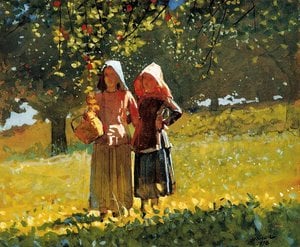
Henry Herbert La Thangue's "Provençal Winter," painted in 1903, isn’t merely a depiction of a rural scene; it’s an immersion into the very soul of the South of France. This oil on canvas transports us to a sun-drenched hillside, where a woman diligently harvests lemons beneath a canopy of roses and ancient trees – a tableau brimming with quiet industry and understated beauty. La Thangue, a key figure in the New English Art Club movement, masterfully captured the essence of Impressionism while firmly rooted in British realist tradition, creating an artwork that resonates with both familiarity and exotic allure.

The painting’s genesis lies within La Thangue's extensive travels throughout Europe. Following his time in Paris, where he honed his skills under Jean-Léon Gérôme, the artist sought to translate the vibrant light and atmosphere of Provence onto canvas. This period marked a significant shift in his style – moving away from purely academic representation towards a more evocative approach that prioritized capturing fleeting moments of natural beauty. “Provençal Winter” exemplifies this evolution; it’s less about precise detail and more about conveying the feeling of warmth, tranquility, and the rhythm of rural life.

Decoding the Palette: Technique and Artistic Choices

La Thangue's technique is characterized by a remarkable sensitivity to light and color. He employs broken brushstrokes – short, distinct marks that blend optically rather than through meticulous layering – creating a shimmering effect reminiscent of sunlight filtering through foliage. The dominant hues are warm earth tones: ochres, siennas, and umbers create the foundation for the landscape, while bursts of pink from the roses and the pale yellows of the lemons inject vibrant energy into the composition. Notice how he uses subtle gradations of color to suggest depth and volume; the distant trees recede into a hazy blue-grey, creating an illusion of atmospheric perspective.

The artist’s choice of medium – oil on canvas – further contributes to the painting's richness and texture. The slow drying time of oil paint allowed La Thangue to build up layers of color gradually, achieving a remarkable sense of luminosity and tactile quality. He skillfully utilizes impasto—thickly applied paint—to accentuate the rough bark of the trees and the textured surface of the lemons, adding a tangible dimension to the scene.

Symbolism and Narrative Resonance

Beyond its aesthetic beauty, “Provençal Winter” is rich in symbolic meaning. The woman harvesting lemons represents not just labor but also abundance, fertility, and the cyclical nature of life. Lemons, traditionally associated with prosperity and vitality, are a potent symbol within this context. The roses, with their delicate fragrance and vibrant color, evoke themes of love, beauty, and fleeting moments of joy. The scene itself suggests a harmonious relationship between humanity and nature – a quiet celebration of the simple pleasures of rural existence.

Furthermore, the painting’s setting—a sun-drenched hillside in Provence—holds historical significance. The region has long been associated with artistic inspiration, attracting painters like Cézanne and Van Gogh who sought to capture its unique light and atmosphere. La Thangue's work reflects this legacy, drawing upon the traditions of plein air painting while forging his own distinctive style.

A Timeless Masterpiece: Reproduction and Legacy

"Provençal Winter" stands as a testament to Henry Herbert La Thangue’s artistic vision and technical skill. WahooArt.com offers meticulously crafted, hand-painted oil reproductions that faithfully capture the essence of this iconic artwork. These reproductions are created by skilled artisans using high-quality materials, ensuring that they retain the luminosity, texture, and emotional impact of the original. Whether adorning a living room wall or gracing a corporate office, “Provençal Winter” continues to evoke feelings of serenity, warmth, and timeless beauty—a perfect embodiment of the idyllic charm of Provence.


Biografia do Artista

O Realismo Visionário de Henry Herbert La Thangue

Henry Herbert La Thangue posiciona-se como uma figura fundamental na tapeçaria da pintura de paisagem realista britânica, um mestre cujo pincel capturou a dignidade silenciosa do campo inglês e a luz fugaz do continente europeu. Nascido em Croydon, Surrey, em 1859, sua jornada artística teve início em meio ao fervor intelectual da Londres vitoriana. Nutrido por conexões com outros luminares, como Stanhope Forbes e Frederick Goodall, durante seu tempo no Dulwich College, La Thangue desenvolveu um apreço precoce e profundo pela observação meticulosa. Este período formativo instilou nele um compromisso com o detalhe que se tornaria a marca registrada de seu legado duradouro.

Sua educação formal foi marcada por uma disciplina rigorosa, abrangendo tanto a Lambeth School of Art quanto a prestigiada Royal Academy em Londres. O ano de 1879 revelou-se um momento decisivo quando ele foi agraciado com uma cobiçada medalha de ouro, uma conquista que o impulsionou rumo a uma bolsa de estudos transformadora no atelier de Jean-Longo Gérôme, em Paris. Foi nesse cenário francês que La Thangue encontrou o ethos da Escola de Barbizon. Embora seus instrutores ocasionalmente criticassem sua inclinação ao romantismo, La Thangue sintetizou com sucesso os princípios da pintura plein air com uma dedicação inabalável ao realismo, aprendendo a capturar a essência imediata e atmosférica da luz natural.

Uma Jornada Através da Luz e da Paisagem

O espírito criativo de La Thangue nunca esteve confinado por fronteiras. Entre 1881 e 18do 1882, suas expedições à Bretanha e ao Vale do Ródano, em Donzère, permitiram que ele mergulhasse nas diversas paisagens da França. Essas viagens ampliaram seus horizontes artísticos, introduzindo uma paleta de cores suaves e uma beleza tranquila que mais tarde se manifestariam em obras como "A Provençal Stream." Esta peça serve como um testemunho sereno de suas influências impressionistas, onde o movimento da água e o calor do sol são retratados com um toque delicado e evocativo.

Ao retornar à Inglaterra em 1886, La Thangue tornou-se um participante ativo nas marés de mudança do establishment artístico britânico. Sua adesão ao Royal Institute of Oil Painters consolidou seu prestígio profissional, mas ele permaneceu um reformador de coração. Seu envolvimento no movimento para desafiar o domínio tradicionalista da Royal Academy acabou contribuindo para a formação do New English Art Club (NEAC). Por meio deste novo espaço, ele defendeu uma abordagem mais democrática da arte, exibindo obras que celebravam a beleza honesta e despojada da vida rural e o labor da classe trabalhadora.

A Maestria da Narrativa Rural

A verdadeira alma da obra de La Thangue reside em sua capacidade de transformar cenas agrícolas comuns em experiências emocionais profundas. Seus anos tardios, particularmente seu período em South Walsham, Norfolk, testemunharam um aprofundamento de seu foco nos ritmos da terra. Em obras-primas como "The Last Furrow" (1895), ele captura a beleza pungente da colheita, utilizando uma técnica realista que honra a resiliência e a graça da existência rural. Seu trabalho frequentemente emprega uma textura rica de impasto para conferir peso físico à terra e ao céu retratados em sua tela.

Talvez nenhuma obra encapsule melhor sua habilidade de fundir simbolismo com naturalismo do que "Nightfall," também conhecida como "The Gleaners." Nesta tocante pintura a óleo de 1895, La Thangue utiliza cores quentes e uma sensação de sombras que avançam para evocar a solenidade da estação da colheita. Através de seus olhos, a paisagem não é meramente um cenário, mas um personagem vivo, imbuído da história daqueles que nela trabalham. Seu legado permanece como uma parte vital da tradição da Escola de Newlyn, oferecendo uma janela para uma era desaparecida da vida pastoral britânica através de uma lente de um realismo requintado e banhado pela luz.

Henry Herbert La Thangue

Henry Herbert La Thangue

1859 - 1929 , Reino Unido

Informações Rápidas

  • Artistas Ou Movimentos Influenciados Por Este Artista: ['Newlyn School']
  • Artistas Que Influenciaram Este Artista:
    • Jean-Léon Gérôme
    • Bastien Lepage
    • Dagnan Bouveret
  • Data De Nascimento: 1859
  • Local De Nascimento: Croydon, Reino Unido
  • Movimento Ou Estilo Artístico: Pintura de Paisagem Realista e de Gênero
  • Nacionalidade: Inglês
  • Nome Completo: Henry Herbert La Thangue
  • Obras De Arte Notáveis:
    • The Mulberry Tree
    • Return of the Reapers
    • The Man with the Scythe