Impressão giclée ou em tela de qualidade de museu, com produção rápida e opções flexíveis de acabamento. ( Comprar pintura feita à mão Comprar imagem)





























Escolha entre os nossos tamanhos pré-definidos que respeitam as proporções originais da obra de arte.

Você pode inserir suas próprias dimensões para se ajustar a uma moldura ou espaço específico. Se o tamanho selecionado não corresponder às proporções da imagem original, iremos recortar a obra de arte ou estender a imagem com uma borda espelhada ou preenchimento sólido. Um mockup digital será enviado para sua aprovação antes do início da produção.
Por favor, observe que a visualização na tela não reflete o recorte ou a extensão real. Apenas o mockup mostrará com precisão a composição final.
Embora tamanhos personalizados estejam disponíveis, recomendamos selecionar uma dimensão da lista predefinida para preservar as proporções originais.
Entrega mundial () em 2 semanas, em vez das 4/5 semanas padrão. (6 Setembro)


untitled (2775)
Tamanho da Reprodução
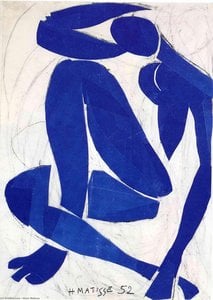
Henri Matisse, a name synonymous with audacious color and lyrical simplification, stands as one of the most influential artists of the 20th century. His oeuvre transcends mere representation; it embodies an emotional response to the world around him—a conviction that art should communicate feeling directly, bypassing intellectual mediation. “Untitled (2775),” created sometime between 1946 and 1948 during Matisse’s prolific final years in Antibes, exemplifies this philosophy perfectly. This striking composition depicts a woman devoid of head and torso, yet imbued with an undeniable presence—a testament to Matisse's masterful manipulation of form and hue.
Matisse’s artistic journey began unexpectedly after a serious illness sidelined him from his legal studies. Recognizing the transformative power of painting during convalescence, he embraced color with fervor—a decision that would propel him to the forefront of the Fauvist movement. This revolutionary style, spearheaded by Matisse alongside André Derain and Maurice de Moulinet, rejected academic conventions in favor of unrestrained chromatic intensity. Artists like Matisse sought to capture the essence of a subject not through meticulous detail but through vibrant splashes of pigment—a bold departure from Impressionism’s subtle gradations.
“Untitled (2775)” showcases Matisse's signature technique: geometric forms rendered in luminous color. The woman’s body is divided into two distinct planes – a rich orange hue dominating the upper half, contrasted by a serene blue on the lower portion. These shapes aren’t merely decorative; they contribute to an overall sense of balance and rhythm. Furthermore, Matisse skillfully employs flowing lines—particularly evident in the woman's hair—to convey movement and vitality. The inclusion of two birds perched atop vases adds visual interest and subtly reinforces themes of freedom and contemplation.
While seemingly abstract, “Untitled (2775)” resonates with deeper symbolic meanings. Matisse’s deliberate omission of facial features invites viewers to focus on the woman's posture and gesture—a gesture that embodies grace and serenity. The color palette itself is laden with significance; orange symbolizes warmth, energy, and optimism, while blue evokes tranquility, spirituality, and introspection. These hues intertwine harmoniously, mirroring Matisse’s belief in art as a conduit for emotional expression.
"Untitled (2775)" solidified Matisse's position as a titan of modern art and profoundly impacted subsequent generations of artists. His unwavering commitment to color—a principle he championed throughout his career—continues to inspire painters today. Reproductions of this iconic artwork offer collectors and interior designers alike the opportunity to experience Matisse’s visionary aesthetic firsthand, bringing a touch of timeless beauty and emotional depth into any space.


1869 - 1954 , França

Explore the vibrant world of Fauvism with our expert guide. Discover how Matisse and Derain revolutionized art through bold colors and expressive strokes. Perfect for classic art enthusiasts seeking to deepen their passion for modern masterpieces.
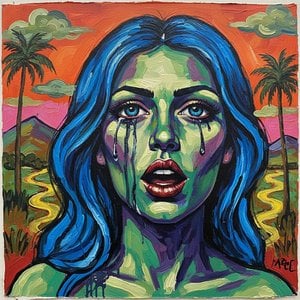
Embark on a journey through the vibrant world of Fauvism. Discover how masters like Henri Matisse revolutionized art through bold colors and raw emotion in this expert-led guide to one of modern art's most powerful movements.

Explore the vibrant revolution of Fauvism. Discover how masters like Matisse liberated color to redefine modern art. Dive into an expert-led journey through the 'Wild Beasts' movement and learn how to bring this bold, expressive energy into your personal collection.

 Visualizar na parede
 Compartilhar
 Compartilhar
 Detalhes

 Baixar imagem
 Semelhantes
 Raio X
 Slideshow
 Ler mais







 A opção de vidro está disponível apenas para tamanhos inferiores a 110 cm