


Óleo sobre tela pintado à mão no tamanho e moldura de sua escolha, feito sob encomenda pelos nossos artistas. ( Comprar impressão Comprar imagem)





























Escolha entre os nossos tamanhos pré-definidos que respeitam as proporções originais da obra de arte.

Pode inserir as suas próprias dimensões para se adequar a uma moldura ou espaço específico. Se o tamanho selecionado não corresponder às proporções da imagem original, iremos cortar a obra de arte ou estender a pintura com elementos adicionais pintados à mão. Um esboço digital será enviado para sua aprovação antes do início da produção.
Tenha em atenção que a pré-visualização no ecrã não reflete o corte ou extensão real. Apenas o esboço mostrará com precisão a composição final.
Embora tamanhos personalizados estejam disponíveis, recomendamos selecionar uma dimensão da lista predefinida para preservar as proporções originais.
Entrega mundial () em 3 a 4 semanas, em vez das 5 semanas padrão. (6 Setembro). Sem comprometer a qualidade.


not identified (20)
Tamanho da Reprodução
In the vast, vibrant tapestry of Henri Matisse’s oeuvre, certain works act as quiet anchors, offering a moment of profound stillness amidst the swirling colors of the Fauvist revolution. “Not Identified” (1920) is precisely such a masterpiece. It presents a deceptively simple scene: a doorway that serves not merely as an architectural element, but as a threshold between the known and the infinite. Through this frame, we glimpse a luminous window bathed in diffused daylight, where the sky peeks through like a whispered promise. The composition is anchored by a sense of domestic tranquility, featuring a solitary chair and the subtle presence of a figure that seems caught in a moment of quiet observation. It is an invitation to pause, to breathe, and to look through the lens of Matisse’s unique, emotive vision.
The painting captures a delicate balance between interior intimacy and exterior vastness. The doorway, with its clean white frame, acts as a visual stabilizer, directing the viewer's gaze upward toward the heavens. There is a rhythmic harmony in the arrangement—the placement of the chair, the empty cabinet above the door, and the soft interplay of light—that suggests a carefully orchestrated stage for human experience. For the collector or interior designer, this piece offers a sophisticated focal point that brings a sense of airy openness and contemplative peace to any space, acting as a "window" that expands the perceived boundaries of a room.
To understand this work is to understand Matisse’s revolutionary departure from academic realism. Moving away from the heavy shadows and meticulous anatomical precision of his predecessors, Matisse embraced a palette that prioritized expressive force over literal representation. In “Not Identified,” we encounter a masterful orchestration of earthy tones—warm ochre, soft beige, and muted pale greens. These colors are not merely descriptive; they are atmospheric. They work in concert with the brilliant, light-filled backdrop of the window to create a sense of depth through temperature and tone rather than traditional shading.
The technique reflects the artist's transition toward a more streamlined, decorative elegance. The flatness of the forms emphasizes the intrinsic beauty of the pigments themselves, a hallmark of the Fauvist spirit where color is liberated from its duty to mimic reality. This stylistic choice creates a surface that is both modern and timeless. For those seeking a high-quality reproduction, this emphasis on color and clean lines ensures that the artwork retains its striking impact, whether placed in a contemporary minimalist setting or a classic, richly textured interior.
Beyond the technical brilliance lies the emotional soul of the piece. Matisse’s journey—from an aspiring lawyer to a pioneer of modern art—was fueled by a desire to capture the essence of joy and serenity. “Not Identified” embodies this pursuit. It does not demand attention through shock or chaos; instead, it earns it through a gentle, persistent beauty. The painting evokes a sense of nostalgia and longing, reminding us of those quiet afternoons spent watching the light shift across a room, lost in thought.
Owning a piece that echoes Matisse’s vision is an opportunity to surround oneself with the philosophy of l'art pour l'art—art for art's sake. It is a celebration of the beauty found in simplicity and the profound emotional weight of a single, well-placed color. As a reproduction, this work serves as more than mere decoration; it is an atmospheric element that invites introspection, making it an invaluable acquisition for anyone looking to infuse their environment with culture, history, and a sense of transcendent calm.

1869 - 1954 , França
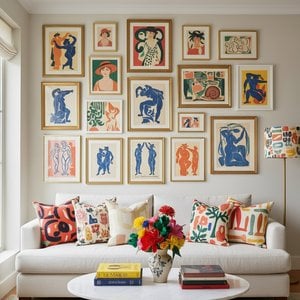
Descubra as 25 obras-primas de Henri Matisse que revolucionaram a arte moderna! Explore o Fauvismo, cores vibrantes e a história por trás dos quadros mais famosos do artista. Encontre reproduções de alta qualidade para decorar sua casa com WahooArt.com.
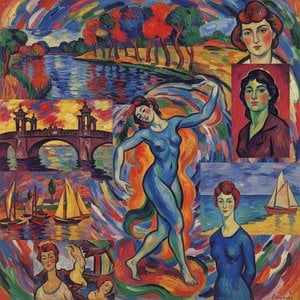
Descubra as 10 obras-primas do Fauvismo com Matisse, Derain e Vlaminck. Explore a história, cores vibrantes e emoção por trás deste movimento artístico revolucionário. Reproduções de arte exclusivas em WahooArt.com!
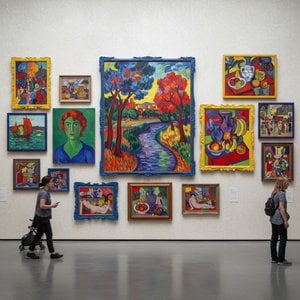
Descubra as 10 obras-primas do Fauvismo, com Matisse e Derain! Explore a história, cores vibrantes e técnicas revolucionárias deste movimento artístico. Encontre reproduções de arte exclusivas para decorar sua casa em WahooArt.com.
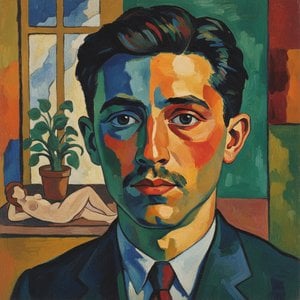
Explore the revolutionary art of Henri Matisse! Discover his bold use of color, Fauvist origins, and lasting impact on modern painting. A comprehensive guide for art enthusiasts.

Explore the revolutionary Fauvism movement & Henri Matisse's bold use of color! Discover key characteristics, iconic artworks, and its lasting impact on modern art history with WahooArt.

 Visualizar na parede
 Compartilhar
 Compartilhar
 Detalhes

 Baixar imagem
 Semelhantes
 Raio X
 Slideshow

 Ler mais







 A opção de vidro está disponível apenas para tamanhos inferiores a 110 cm


