Uma Vida Imersa na Cor: O Mundo de Henri Matisse
Henri Émile Benoît Matisse, nascido em 31 de dezembro de 1869, na pequena cidade do norte da França, Le Cateau-Cambrésis, não estava destinado a uma vida repleta de pigmento e forma. Inicialmente dedicado ao estudo das leis em Paris após o ensino médio, seu caminho mudou drasticamente após um ataque de apendicite em 1889. Confinado à recuperação, descobriu uma paixão latente despertada pelo simples ato de pintar com um conjunto de materiais artísticos presenteados por sua mãe. Não era meramente uma distração; foi uma revelação – um ponto de virada que o afastou dos documentos legais e o direcionou para um mundo onde a cor se tornaria sua linguagem e a tela, seu domínio. Crescendo em Bohain-en-Vermandois, filho de comerciantes de grãos, Matisse inicialmente parecia improvável abraçar a vida boêmia de um artista, no entanto, a semente foi plantada, nutrida pela convalescença e florescendo em uma dedicação vitalícia. Matriculou-se na Académie Julian, depois na École Nationale des Beaux-Arts, estudando sob William-Adolphe Bouguereau e Gustave Moreau respectivamente, absorvendo técnicas clássicas que serviriam de base para suas futuras inovações. As primeiras obras refletiam esse treinamento acadêmico, demonstrando proficiência, mas carecendo da voz distinta que em breve o definiria.
O Amanhecer do Fauvismo e a Ousada Experimentação
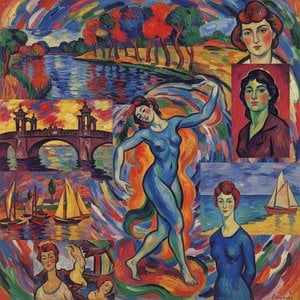
Um momento crucial chegou em 1896 durante uma visita a Belle-Île com o pintor australiano John Russell. Esse encontro provou ser transformador. Russell apresentou Matisse ao vibrante mundo do Impressionismo, e mais importante, às telas emocionalmente carregadas de Vincent van Gogh. O impacto foi profundo. O uso expressivo da cor por Van Gogh abalou a paleta anteriormente contida de Matisse, impulsionando-o em direção a uma abordagem mais ousada e subjetiva. Ele começou a se afastar dos tons terrosos, abraçando matizes que ressoavam com o sentimento em vez de representações estritas. Essa exploração culminou no surgimento do Fauvismo por volta de 1905 – um movimento onde Matisse se tornou uma figura líder. O próprio nome, significando “feras selvagens”, foi inicialmente depreciativo, concedido por um crítico às pinturas chocantemente vibrantes e não naturalistas do grupo exibidas no Salon d'Automne.
Matisse, juntamente com artistas como André Derain e Maurice de Vlaminck, defendeu a cor intensa como um elemento independente de expressão, simplificando as formas para amplificar seu impacto. Pinturas como
Os Abóboras (1905) exemplificam esse estilo – uma explosão de vermelhos, verdes e amarelos aplicados com uma liberdade que desconsiderava a perspectiva tradicional e a precisão mimética. As principais características incluíam paletas intensamente saturadas, formas simplificadas, pinceladas expressivas e uma rejeição deliberada da representação convencional em favor da ressonância emocional.
Refinamento e Harmonia Decorativa
Após o fervor inicial do Fauvismo, o estilo de Matisse passou por uma evolução sutil, mas significativa. Embora nunca tenha abandonado seu amor pela cor, seu trabalho se tornou mais refinado, inclinando-se para uma estética decorativa que enfatizava formas achatadas e padrões intrincados. Ele explorou temas de lazer, vida doméstica e a figura humana em ambientes tranquilos, criando composições que pareciam harmoniosas e emocionalmente ressonantes. Uma mudança para Nice, na Riviera Francesa, em 1917 influenciou ainda mais essa mudança, imbuindo seu trabalho com uma sensação de serenidade e equilíbrio clássico. Ele começou a se concentrar na criação de ambientes – pinturas, esculturas e objetos decorativos – que envolviam o espectador em uma atmosfera de beleza e calma. Este período o viu experimentar diferentes mídias, incluindo cerâmica e têxteis, estendendo sua visão artística além da tela tradicional. Ele não estava apenas retratando cenas; ele estava construindo mundos projetados para evocar uma resposta emocional específica.
Os Últimos Anos: Inovação Através da Limitação
À medida que a saúde debilitada limitava a capacidade de Matisse de pintar da maneira convencional, ele embarcou em um capítulo extraordinário em sua jornada artística – a criação de colagens de papel recortado, ou *découpages*. Começando por volta de 1947, essas obras nasceram da necessidade. Confinado a uma cadeira de rodas, ele não conseguia ficar em pé e pintar fisicamente, mas ainda podia manipular o papel com tesouras. O que começou como uma solução prática evoluiu para uma técnica artística inovadora. Ele pintaria grandes folhas de papel em cores vibrantes, depois cortá-las em formas – formas orgânicas, folhas, figuras – e organizá-las na tela, criando composições dinâmicas e enganosamente simples. Esses *découpages* não eram meros substitutos da pintura; eles representavam uma nova maneira de pensar sobre cor, forma e composição. Eles continuaram sua exploração ao longo da vida desses elementos, demonstrando uma visão artística duradoura mesmo diante das limitações físicas.
- A técnica do papel recortado permitiu que ele alcançasse uma pureza de forma e cor que era difícil de obter com a tinta.
- Essas obras frequentemente se referiam a temas e motivos anteriores de suas pinturas, mas os apresentavam de uma maneira nova e inovadora.
- Elas demonstraram sua capacidade de se adaptar e evoluir como artista ao longo de toda a sua carreira.
Um Legado Duradouro: O Impacto de Matisse na Arte Moderna
Henri Matisse morreu em Nice em 1954, deixando para trás um corpo de trabalho que continua a inspirar e cativar o público em todo o mundo. Seu impacto no mundo da arte é inegável; ele desafiou as noções convencionais de representação, defendeu o poder expressivo da cor e abriu caminho para as gerações futuras de artistas. Frequentemente considerado ao lado de Pablo Picasso como uma das figuras mais influentes na arte do século XX, Matisse moldou fundamentalmente o modernismo. Seu legado se estende além de suas próprias obras – ele engloba uma filosofia que celebra a alegria, a beleza e o potencial transformador da cor. Ele não estava simplesmente pintando o que via; ele estava criando uma experiência emocional para o espectador, convidando-o a compartilhar sua visão de um mundo banhado em luz e matizes vibrantes. A influência de
Matisse pode ser vista em inúmeras obras de artistas de várias disciplinas, solidificando seu lugar como um verdadeiro mestre da arte moderna – um pintor que ousou ver o mundo não como ele é, mas como poderia ser, cheio de cor, harmonia e possibilidades ilimitadas.



 Visualizar na parede
 Comprar pintura feita à mão
 Compartilhar
 Compartilhar
 Detalhes

 Baixar imagem
 Semelhantes
 Raio X
 Slideshow
 Estatísticas


 Ler mais






































 A opção de vidro está disponível apenas para tamanhos inferiores a 110 cm