Consultoria de arte gratuita

x
Comprar impressão Comprar impressãoComprar imagem em alta resolução Comprar imagem em alta resolução EnviarEnviar
DetalhesDetalhes Adicionar aos favoritos Adicionar aos favoritos BaixarBaixar SemelhantesSemelhantes Raio XRaio X SlideshowSlideshow

Editorial label

Harold LeClair Ickes (1874-1952): Um político dedicado à arte e ao serviço público, como Secretário do Interior sob Franklin D. Roosevelt. Sua paixão pela cultura e compromisso com o bem comum marcaram sua história americana.

Discover Harold LeClair Ickes (1874-1952), American politician & advocate for the arts. As Secretary of the Interior, he shaped environmental policy and supported artists – explore his legacy!

Reprodução em Óleo Feita à Mão

Óleo sobre tela pintado à mão no seu tamanho e moldura, feito sob encomenda pelos nossos artistas.

P118B $10
P118H $10
P118W $10
P438Z $10
P508JH $12
P508YH $12
P805H $10
P805Z $10
P919BZ $10
P919G $10
P919XJ $10
P959ZH $10
P968JZ $12
W106C $8
W218G $10
W218JH $8
W218Y $10
W307PJ $10
W316G $10
W316PJ $8
W316Y $10
W398PJ $8
W4111J $10
W500HY $15
W500JH $15
W692G $12
W849H $8
W940BG $15
W953PJ $8

Standard
custom
CM
INCH

Escolha entre os nossos tamanhos pré-definidos que respeitam as proporções originais da obra de arte.

largura
altura

Pode inserir as suas próprias dimensões para se adequar a uma moldura ou espaço específico. Se o tamanho selecionado não corresponder às proporções da imagem original, iremos cortar a obra de arte ou estender a pintura com elementos adicionais pintados à mão. Um esboço digital será enviado para sua aprovação antes do início da produção.
Tenha em atenção que a pré-visualização no ecrã não reflete o corte ou extensão real. Apenas o esboço mostrará com precisão a composição final.
Embora tamanhos personalizados estejam disponíveis, recomendamos selecionar uma dimensão da lista predefinida para preservar as proporções originais.

Exemplos do que pode ser alterado: Substituir o rosto pela foto do cliente; Adicionar um animal de estimação (ex: substituir gato por cão); Incluir uma mensagem oculta no fundo; Alterar a paisagem ou elementos do fundo.
Após o pedido, a equipa WahooArt.com enviará um e-mail ao cliente para solicitar instruções e fornecer uma prévia do esboço.

Entrega Mundial () em 3 a 4 semanas, em vez das 5 semanas padrão. (2 Julho). Sem comprometer a qualidade.

why_choose_icon
Envio Expresso Gratuito para todo o Mundo
why_choose_icon
Tela de Linho Premium
why_choose_icon
Seguro de envio completo
why_choose_icon
Garantia de Reembolso de Impostos Alfandegários
why_choose_icon
Garantia de Fidelidade de Cores
why_choose_icon
Política de Devolução de 60 Dias (Apenas para Defeitos)
why_choose_icon
Garantia de 100% de Reembolso
why_choose_icon
Desconto para múltiplas unidades

Preço Total

-

reproduction

Editorial label

Técnica de Reprodução

Dimensões da Reprodução

-

Preço Total Final

-

Dados Rápidos

  • Location: U.S. Department of the Interior Museum (Washington, United States)
  • Subject or theme: Public relations
  • Artist: Harold Leclair Ickes
  • Notable elements or techniques: Shadow box model; Scenic perspective painting
  • Title: Editorial label
  • Artistic style: Ethnological displays
  • Movement: Not primarily an artist

Teste de Arte

Cada pergunta possui apenas uma resposta correta.

Pergunta 1:
What is the primary subject matter depicted in "Editorial label"?
Pergunta 2:
When was the photograph taken?
Pergunta 3:
Harold LeClair Ickes served as Secretary of the Interior under which president?
Pergunta 4:
What was Harold LeClair Ickes's notable contribution to the arts?
Pergunta 5:
The photograph showcases a detailed depiction of what type of document?

Descrição da Obra

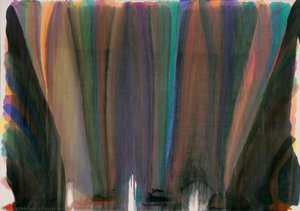
Editorial Label - Harold LeClair Ickes: A Testament to Pragmatic Idealism

The photograph presents an arresting glimpse into a moment of decisive leadership—the June 1941 correspondence between President Harry S Truman and Harold Leclair Ickes, Secretary of the Interior. More than just a formal document, this image encapsulates the essence of Ickes’s remarkable career: a steadfast devotion to public service interwoven with an unwavering belief in the transformative potential of artistic expression. Captured in grainy detail, it speaks volumes about the era's preoccupation with documenting history and shaping its narrative—a period profoundly influenced by Franklin D Roosevelt’s New Deal vision. The photograph itself is remarkably simple in composition, prioritizing clarity and factual accuracy over stylistic flourishes. Its muted tones reflect the seriousness of the subject matter—the urgent concerns surrounding World War II—yet simultaneously convey a quiet dignity that characterizes Ickes's understated leadership style. The texture of the paper lends it an immediacy that transcends time, inviting viewers to contemplate not only the visual elements but also the underlying ethos of this pivotal moment in American history. Harold LeClair Ickes’s legacy extends far beyond his thirteen-year tenure as Secretary of the Interior; he was a man who recognized that governmental responsibility encompassed more than simply administering policy—it demanded fostering cultural enrichment and nurturing a citizenry capable of confronting complex challenges with intellectual curiosity and moral fortitude. This conviction is powerfully conveyed in the photograph, which serves as a visual reminder of Ickes’s unwavering commitment to principles rooted in both practicality and idealism. The image showcases a technique known as *diorama*, specifically referencing the meticulous creation of miniature museum exhibits designed to educate the public about natural history and environmental conservation. This approach—popularized in the early 20th century—aims to convey considerable information within a compact space, utilizing curved backgrounds illuminated from above through sandblasted glass to simulate depth and enhance visual impact. The resulting illusion captures the spirit of Roosevelt’s New Deal era, reflecting an understanding that engaging storytelling could inspire action and promote civic engagement. Considered as a symbol of American cultural heritage, this photograph embodies Ickes's belief in the importance of preserving natural beauty and educating future generations about its significance. It reminds us that true leadership involves not only addressing immediate crises but also nurturing values—such as empathy, intellectual rigor, and artistic appreciation—that underpin a flourishing society. The reproduction offered by WahooArt.com seeks to honor this enduring legacy, presenting a faithful representation of both the visual details and the profound philosophical undercurrents captured in this evocative image.

Biografia do Artista

A Life Dedicated to Public Service and the Arts: Harold LeClair Ickes

Harold LeClair Ickes, born in Altoona, Pennsylvania, in 1874, was a figure whose influence extended far beyond the realm of American politics. Though best known for his unprecedented thirteen-year tenure as Secretary of the Interior under President Franklin D. Roosevelt – the longest anyone has held that office – Ickes’s commitment to progressive ideals and his quiet but significant support for the arts cemented his place as a pivotal figure in 20th-century American history. His early life was marked by hardship; the loss of his mother at a young age and a somewhat distant relationship with his father instilled in him a sense of self-reliance and a deep empathy for those facing adversity, qualities that would define his career. He pursued higher education at the University of Chicago, initially working to finance his studies, eventually earning both a Bachelor of Arts and a law degree. This academic foundation provided him with the tools he needed to navigate the complex world of politics and public administration.

The New Deal Architect and Champion of Social Justice

Ickes’s appointment as Secretary of the Interior in 1933 coincided with the depths of the Great Depression, and he immediately threw himself into implementing President Roosevelt's ambitious New Deal programs. He oversaw the Public Works Administration (PWA), a massive undertaking that constructed vital infrastructure across the nation – bridges, dams, schools, hospitals – providing employment to millions during a time of widespread economic hardship. Beyond simply building structures, Ickes envisioned these projects as catalysts for social and economic revitalization. He was known as “Honest Harold” due to his meticulous management of funds and unwavering commitment to transparency, a rare quality in an era often plagued by corruption. But his dedication wasn’t limited to infrastructure; Ickes was a vocal advocate for civil rights at a time when such positions were politically risky. He championed the cause of African Americans, integrating the Department of the Interior and supporting artists like Marian Anderson when she faced discrimination. His actions demonstrated a profound belief in equality and social justice, principles that guided his decisions throughout his career.

A Patron of the Arts: Fostering American Creativity

While not an artist himself, Harold Ickes played a crucial role in fostering the arts during the New Deal era. Recognizing the power of art to uplift spirits and provide employment, he championed programs that supported artists through the PWA and other initiatives. He understood that artistic expression was essential to the cultural fabric of the nation and actively worked to ensure its survival during challenging economic times. Ickes’s support wasn't merely financial; he genuinely appreciated the work of American artists and believed in their ability to capture the spirit of the age. Though often overshadowed by his political achievements, this aspect of his legacy is increasingly recognized as a vital contribution to the flourishing of American art during the 1930s and 40s. His influence helped shape a generation of artists who would go on to define American artistic identity.

Legacy and Historical Significance

Harold LeClair Ickes’s impact resonates far beyond his years in public office. His unwavering commitment to social justice, environmental conservation, and the arts left an indelible mark on American society. He was a complex figure – often described as gruff and uncompromising – but beneath that exterior lay a deep sense of integrity and a genuine desire to improve the lives of others. His tenure as Secretary of the Interior laid the groundwork for many of the environmental policies we rely on today, and his advocacy for civil rights helped pave the way for future progress. He was a man ahead of his time, recognizing the interconnectedness of social, economic, and cultural well-being. His story serves as a reminder that true leadership requires not only political acumen but also a profound moral compass. Even today, his name is associated with public housing projects in Chicago – the Harold L. Ickes Homes – a testament to his enduring commitment to providing affordable housing for all Americans. His legacy continues to inspire those who strive to create a more just and equitable world.
Harold LeClair Ickes

Harold LeClair Ickes

1874 - 1952 , United States of America

Informações Rápidas

  • Artistic Movement Or Style: Not primarily an artist
  • Date Of Birth: March 15, 1874
  • Date Of Death: 1952
  • Full Name: Harold Leclair Ickes
  • Nationality: American
  • Notable Artworks: ['Editorial label']
  • Place Of Birth: Altoona, USA
Explore obras de arte organizadas por temas, estilos e características.