


x

 Comprar impressão Comprar imagem em alta resolução
 Enviar
 Details
 Adicionar aos favoritos
 Baixar
 Semelhantes
 X-Ray
X-Ray
 Slideshow
Óleo sobre tela pintado à mão no seu tamanho e moldura, feito sob encomenda pelos nossos artistas.
Escolha entre os nossos tamanhos pré-definidos que respeitam as proporções originais da obra de arte.

Pode inserir as suas próprias dimensões para se adequar a uma moldura ou espaço específico. Se o tamanho selecionado não corresponder às proporções da imagem original, iremos cortar a obra de arte ou estender a pintura com elementos adicionais pintados à mão. Um esboço digital será enviado para sua aprovação antes do início da produção.
Tenha em atenção que a pré-visualização no ecrã não reflete o corte ou extensão real. Apenas o esboço mostrará com precisão a composição final.
Embora tamanhos personalizados estejam disponíveis, recomendamos selecionar uma dimensão da lista predefinida para preservar as proporções originais.
Entrega Mundial () em 3 a 4 semanas, em vez das 5 semanas padrão. (1 Julho). Sem comprometer a qualidade.


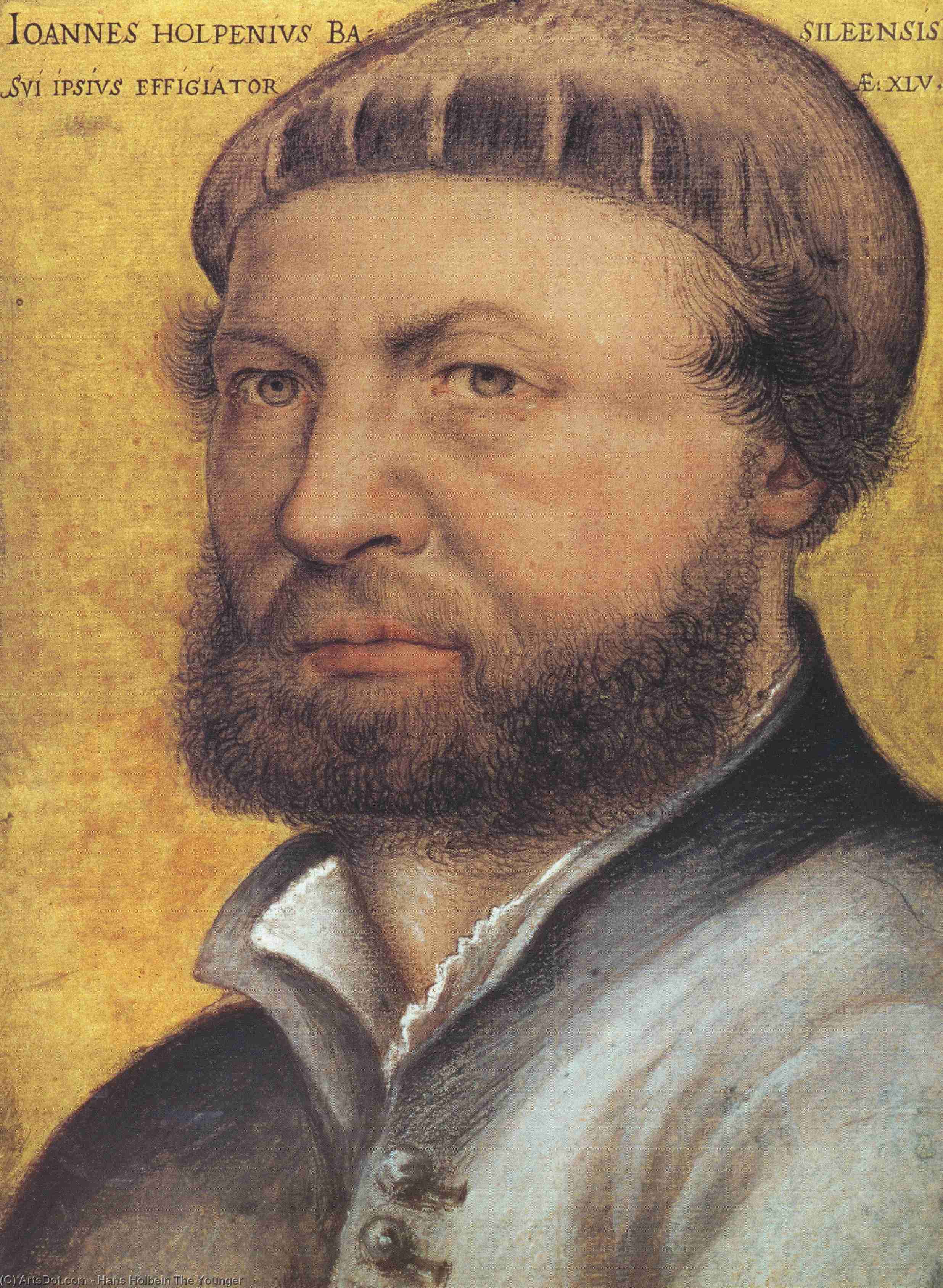
Self Portrait
Dimensões da Reprodução
The Self Portrait by Hans Holbein the Younger is a captivating oil on panel painting housed within the esteemed Galleria degli Uffizi in Florence, Italy. This intimate portrayal offers a remarkable window into the life and artistry of one of the most celebrated portraitists of the 16th century. Measuring just 23 x 18 cm, this seemingly small work holds immense significance, showcasing Holbein’s unparalleled skill in capturing not only physical likeness but also an intriguing sense of character and intellect.
Born around 1497 in Augsburg, Germany, Hans Holbein the Younger was a pivotal figure within the Northern Renaissance—a master portraitist whose work continues to resonate with breathtaking realism and psychological depth. His upbringing within an artistically gifted family laid the foundation for his exceptional talent; his father, Hans Holbein the Elder, was a respected painter and printmaker who instilled in young Hans a meticulous approach to observation and technique. This early training wasn’t merely about mastering brushstrokes or mixing pigments—it was about learning to *see*, to capture not just likeness but the very essence of a subject. Holbein's initial artistic explorations occurred within his father’s workshop, where he honed his skills before embarking on a journey that would lead him through Switzerland and ultimately to the heart of the English court.
Aft from Basel, Holbein ascended rapidly as a prominent artist, establishing himself as an independent figure and gaining renown for his religious commissions, intricate woodcut designs—particularly the chilling series depicting the Dance of Death—and, most notably, portraits that would solidify his legacy. He served under influential patrons like Thomas More and Henry VIII, becoming King’s Painter and leaving an indelible mark on Tudor England's artistic panorama.
The Self Portrait exemplifies the core tenets of Northern Renaissance art. Holbein’s mastery of oil on panel allowed for extraordinary detail and subtle tonal variations—a technique that prioritized capturing light and shadow with unparalleled precision. The painting is characterized by its astonishing realism; every strand of hair, fold in his clothing, and nuance of expression is rendered with meticulous care. The illumination originates from the upper left corner, casting shadows that accentuate the contours of Holbein’s face and conveying a palpable sense of volume. This masterful manipulation of light contributes significantly to the artwork's dramatic impact.
Beyond mere visual representation, the portrait speaks volumes about Holbein’s intellectual curiosity and artistic vision. The artist’s gaze is direct and unwavering, inviting contemplation and fostering a connection between the viewer and the subject. His attire—simple yet impeccably crafted—suggests a man of refined sensibilities rather than ostentatious display. The overall impression is one of dignified solemnity and profound introspection.
The inscription at the top – Ioannes Hopenius Baesi Svi ipsis Effigiator Sleensis – identifies Holbein as Johannes Holbein from Basel, signifying his scholarly pursuits and professional status. The painting transcends its formal conventions to convey a deeper emotional resonance—a testament to Holbein’s ability to capture not only outward appearance but also the inner spirit of his subject. It stands as an enduring emblem of Renaissance humanism, reflecting the era's preoccupation with self-awareness and intellectual exploration.
Handmade oil paintings reproductions of the Self Portrait by Hans Holbein the Younger are available, offering art enthusiasts a chance to appreciate this iconic artwork in exquisite detail. These meticulously crafted reproductions faithfully recreate Holbein’s groundbreaking technique and capture the essence of his artistic genius—a beautiful addition to any discerning collection.


1497 - 1543 , Alemanha

Explore the artistic innovation of the German Renaissance! Discover Dürer, the Danube School & Reformation art. Learn about techniques, materials & lasting influence. Find museum-quality reproductions at WahooArt.

Explore the life & art of Albrecht Dürer, a pivotal German Renaissance master. Discover his groundbreaking printmaking techniques, iconic self-portraits, and lasting influence on Western art history. A deep dive into innovation & symbolism.

Explore the life & art of Hans Holbein the Younger, a Renaissance master renowned for his strikingly realistic portraits and psychological insight. Discover iconic works like 'The Ambassadors' and delve into his lasting legacy.

Descubra as 10 obras primas em óleo que moldaram a história da arte! Explore Van Gogh, Monet, Da Vinci e outros mestres. Reproduções de alta qualidade para sua decoração. Explore a coleção completa na WahooArt.com
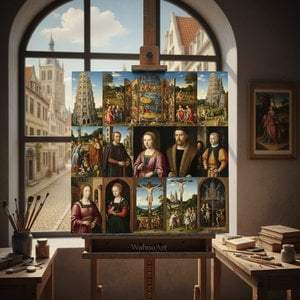
Descubra as 10 obras-primas do Renascimento Nórdico! Explore a história, simbolismo e técnica de artistas como Jan van Eyck e Dürer. Encontre reproduções de arte exclusivas para decorar sua casa com elegância em WahooArt.com.


Fique por dentro das últimas notícias de arte, ofertas exclusivas e ideias de decoração.
Conte-nos sobre o seu projeto e os nossos especialistas em arte fornecerão 3 sugestões de arte personalizadas.
Deixe-nos selecionar 3 opções especialmente para você – Grátis!
 Compartilhar






































 Saiba mais
 A opção de vidro está disponível apenas para tamanhos inferiores a 110 cm


