WatercolorWallArtSymbolism
 188019th Century
 51.0 x 26.0 cm
Impressão giclée ou em tela de qualidade de museu, com produção rápida e opções flexíveis de acabamento. ( Comprar pintura feita à mão Comprar imagem)





























Escolha entre os nossos tamanhos pré-definidos que respeitam as proporções originais da obra de arte.

Você pode inserir suas próprias dimensões para se ajustar a uma moldura ou espaço específico. Se o tamanho selecionado não corresponder às proporções da imagem original, iremos recortar a obra de arte ou estender a imagem com uma borda espelhada ou preenchimento sólido. Um mockup digital será enviado para sua aprovação antes do início da produção.
Por favor, observe que a visualização na tela não reflete o recorte ou a extensão real. Apenas o mockup mostrará com precisão a composição final.
Embora tamanhos personalizados estejam disponíveis, recomendamos selecionar uma dimensão da lista predefinida para preservar as proporções originais.
Entrega mundial () em 2 semanas, em vez das 4/5 semanas padrão. (7 Setembro)


Pasiphae and the Bul
Tamanho da Reprodução
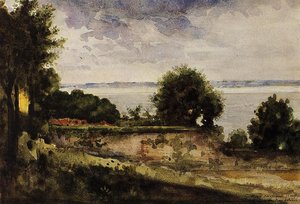
Gustave Moreau's "Pasiphae and the Bull," painted in 1880, isn’t merely a depiction of Greek mythology; it’s an immersion into a richly layered dreamscape—a testament to the Symbolist movement’s fascination with the subconscious and the evocative power of imagery. More than just a historical scene, this watercolor captures a potent moment of primal desire, isolation, and unsettling beauty. Moreau, a key figure in Parisian Symbolism, deliberately eschewed the objective realism favored by his contemporaries, instead prioritizing emotional resonance and symbolic representation over literal accuracy. He sought to translate inner states into visual form, drawing heavily on classical mythology, medieval art, and his own intensely personal symbolism.
The painting centers around Pasiphae, Queen of Crete and wife of the Minotaur’s father, King Aegeus. She is presented not as a triumphant figure but as a woman caught in a moment of profound vulnerability and unsettling encounter. Draped in a crimson cloak that seems to both conceal and reveal her form, she stands before a magnificent bull – a creature simultaneously terrifying and alluring. The composition immediately draws the eye; Moreau masterfully employs a dramatic chiaroscuro effect, utilizing deep shadows and pools of light to heighten the sense of mystery and drama. Notice how the muted palette—dominated by browns, greens, and reds—creates an atmosphere of twilight, suggesting a world existing outside of time and reason.
Moreau’s Symbolist approach is evident in every detail. The bull itself isn't simply a beast; it represents primal instincts, untamed passions, and the darker aspects of human nature. Its presence evokes a sense of danger and transgression, hinting at the forbidden desires that lie beneath the surface of civilized society. The red cloak surrounding Pasiphae is particularly significant – often associated with blood, passion, and even death, it suggests both vulnerability and a potent, almost dangerous allure. The setting—a dense, wooded landscape bathed in an ethereal glow—further contributes to the painting’s dreamlike quality. It's not a realistic depiction of Crete; rather, it’s a constructed space designed to evoke specific emotions and associations.
Crucially, Moreau wasn’t interested in telling a straightforward narrative. Instead, he aimed to capture a fleeting emotional state—a moment of intense contemplation or perhaps even unease. The woman's posture, with her arms outstretched as if reaching for something just beyond her grasp, speaks volumes about her inner turmoil and longing. The bird soaring above her head adds another layer of symbolism – representing freedom, escape, or perhaps a fleeting glimpse of hope amidst the darkness.
Moreau’s technique is characterized by meticulous detail and a rich layering of colors. He employed watercolor on paper, allowing for subtle gradations of tone and a luminous quality that perfectly suits the painting's ethereal atmosphere. His brushwork is deliberate and expressive, creating textures that range from smooth, polished surfaces to rough, impastoed areas. The use of tempera in certain areas adds to the richness and depth of the image.
Moreau’s work profoundly influenced subsequent generations of artists, particularly those associated with Art Nouveau and the Pre-Raphaelites. His exploration of mythology, his interest in psychological themes, and his innovative use of color and composition paved the way for a new era of Symbolist painting. Artists like Henri Matisse and Raoul Rouault acknowledged Moreau’s significant impact on their own artistic development. The dreamlike quality of “Pasiphae and the Bull” resonates with the visual language of artists who sought to capture the inner world—a legacy that continues to inspire artists today.
A hand-painted reproduction of Gustave Moreau’s “Pasiphae and the Bull” offers a unique opportunity to bring this captivating artwork into your home or office. WahooArt meticulously recreates the painting's intricate details, color palette, and atmospheric depth using traditional techniques. The result is a stunningly accurate representation that captures the essence of Moreau’s artistic vision. Whether you are an art collector, an interior designer seeking to add a touch of mystery and elegance, or simply an admirer of beautiful artwork, this reproduction provides a remarkable way to experience the power and beauty of Symbolist painting.
Explore our collection of Gustave Moreau reproductions today and discover how this iconic masterpiece can enrich your space. View the original artwork here.


1826 - 1898 , França

Discover the ethereal beauty of watercolor through an art-historical lens. Master the delicate balance of light, fluidity, and pigment to capture the luminous essence of nature, inspired by the legendary techniques of the Old Masters and Impressionist greats.

Embark on a sophisticated journey through the eternal allure of mythological art. Discover how master painters breathe life into ancient legends, from Greek deities to Baroque masterpieces, and learn to curate these timeless narratives within your own exquisite art collection.

Discover the ethereal beauty of premium watercolor reproductions and bespoke commissions at WahooArt. From museum-quality landscapes to custom AI-enhanced portraits, our master artists deliver unparalleled craftsmanship and white-glove service for discerning collectors worldwide.

Explore the profound beauty of mythological figures through the lens of art history. From Renaissance masterpieces to custom oil reproductions, discover how legendary tales of heroism and divinity are immortalized in fine art for discerning collectors.

An expert guide for art collectors exploring the chemistry and artistry of oil, acrylic, tempera, and watercolor. Discover how medium specificity and material integrity define the longevity and value of fine art masterpieces.

 Visualizar na parede
 Compartilhar
 Compartilhar
 Detalhes

 Baixar imagem
 Semelhantes
 Raio X
 Slideshow
 Ler mais







 A opção de vidro está disponível apenas para tamanhos inferiores a 110 cm