


Impressão giclée ou em tela de qualidade de museu, com produção rápida e opções flexíveis de acabamento. ( Comprar pintura feita à mão Comprar imagem)





























Escolha entre os nossos tamanhos pré-definidos que respeitam as proporções originais da obra de arte.

Você pode inserir suas próprias dimensões para se ajustar a uma moldura ou espaço específico. Se o tamanho selecionado não corresponder às proporções da imagem original, iremos recortar a obra de arte ou estender a imagem com uma borda espelhada ou preenchimento sólido. Um mockup digital será enviado para sua aprovação antes do início da produção.
Por favor, observe que a visualização na tela não reflete o recorte ou a extensão real. Apenas o mockup mostrará com precisão a composição final.
Embora tamanhos personalizados estejam disponíveis, recomendamos selecionar uma dimensão da lista predefinida para preservar as proporções originais.
Entrega mundial () em 2 semanas, em vez das 4/5 semanas padrão. (6 Setembro)


Sleep
Tamanho da Reprodução
Gustave Courbet’s “Sleep,” completed in 1866, stands as a cornerstone of Realism—a movement that vehemently rejected Romantic idealism and championed an unflinching portrayal of the observable world. More than just a depiction of two women resting peacefully together, this painting embodies Courbet's profound conviction that art should reflect the realities of everyday life, challenging the conventions of its era.
Painted during a period marked by social unrest and artistic experimentation, “Sleep” reflects Courbet’s engagement with contemporary debates surrounding artistic freedom and societal representation. While acknowledging influences from Romantic artists like Delacroix and Géricault—particularly in their dramatic use of light and color—Courbet decisively distanced himself from Romantic sentimentality. He sought to depict the human condition without embellishment, mirroring the spirit of the burgeoning Realist movement.
"Sleep" transcends mere visual representation; it speaks to themes of vulnerability, intimacy, and the quiet beauty of domestic life. The positioning of the women—one leaning against the other—suggests a connection rooted in mutual comfort and support. Courbet’s masterful rendering captures not just physical repose but also an emotional stillness that invites contemplation. It's a painting that reminds us to appreciate the simple pleasures of existence and to find solace in moments of quiet reflection – a testament to Courbet’s enduring legacy as one of art history’s most uncompromising voices.


1819 - 1877 , França
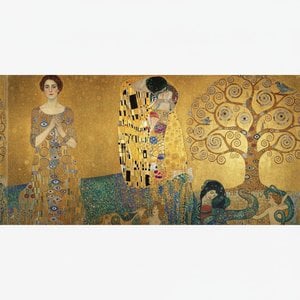
Descubra as 25 obras-primas de Gustav Klimt, ícone da Secession Vienense e do Art Nouveau. Explore a beleza dourada, o simbolismo e a paixão em cada pintura. Encontre reproduções de arte exclusivas para decorar sua casa com elegância na WahooArt.com!

Explore 10 defining masterpieces of Romantic Realism! Discover Courbet, Millet & Daumier's powerful paintings—capturing emotion and social realities. Find museum-quality reproductions for your home at WahooArt.com.

Explore the revolutionary art of Gustave Courbet, pioneer of Realism. Discover his iconic paintings, social commentary, and lasting impact on 19th-century French art history. Expert analysis & insights.

Descubra as 10 obras-primas do Realismo que revolucionaram a arte! Explore Courbet, Millet e outros mestres. Reproduções de alta qualidade para decorar sua casa com história e emoção. Explore a coleção completa em WahooArt.com

Descubra 10 obras-primas do Realismo! Explore a história, técnica e emoção por trás de Courbet, Millet e outros artistas icônicos. Encontre reproduções de arte exclusivas para decorar sua casa com WahooArt.com.

 Visualizar na parede
 Compartilhar
 Compartilhar
 Detalhes

 Baixar imagem
 Semelhantes
 Raio X
 Slideshow


 Ler mais







 A opção de vidro está disponível apenas para tamanhos inferiores a 110 cm


