


Impressão giclée ou em tela de qualidade de museu, com produção rápida e opções flexíveis de acabamento. ( Comprar pintura feita à mão Comprar imagem)





























Escolha entre os nossos tamanhos pré-definidos que respeitam as proporções originais da obra de arte.

Você pode inserir suas próprias dimensões para se ajustar a uma moldura ou espaço específico. Se o tamanho selecionado não corresponder às proporções da imagem original, iremos recortar a obra de arte ou estender a imagem com uma borda espelhada ou preenchimento sólido. Um mockup digital será enviado para sua aprovação antes do início da produção.
Por favor, observe que a visualização na tela não reflete o recorte ou a extensão real. Apenas o mockup mostrará com precisão a composição final.
Embora tamanhos personalizados estejam disponíveis, recomendamos selecionar uma dimensão da lista predefinida para preservar as proporções originais.
Entrega mundial () em 2 semanas, em vez das 4/5 semanas padrão. (6 Setembro)


Self Portrait
Tamanho da Reprodução
Giorgio de Chirico's "Self Portrait," painted in 1925, is not merely a depiction of an artist; it’s a meticulously crafted evocation of the anxieties and intellectual currents that defined the early years of the 20th century. The painting immediately arrests the viewer with its unsettling stillness – a man, impeccably dressed in a dark suit and tie, sits before a blank canvas, his gaze fixed directly upon us. This direct address is crucial; it establishes an immediate, almost confrontational relationship between the artist and the observer, mirroring the themes of alienation and psychological exploration that permeate de Chirico’s oeuvre.
To fully appreciate “Self Portrait,” one must understand the intellectual landscape in which it was created. De Chirico’s work is profoundly influenced by the philosophical ideas of his time, particularly those of Friedrich Nietzsche and Arthur Schopenhauer. The painting reflects a deep concern with themes of isolation, the illusion of reality, and the inherent absurdity of human existence. The blank canvas before him symbolizes the artist's attempt to capture these intangible concepts – a futile endeavor, perhaps, mirroring the philosophical anxieties of the era.
"Self Portrait" is more than just a beautiful painting; it’s a powerful meditation on the human condition. The unsettling atmosphere, combined with de Chirico's masterful technique, evokes a profound sense of unease and introspection. It invites us to confront our own anxieties about identity, reality, and the search for meaning in a world that often seems chaotic and absurd.


1888 - 1978 , Grécia

Discover the breathtaking allure of Art Deco. Explore the era's iconic geometry, legendary designers like Erté, and timeless glamour. Perfect for discerning collectors seeking to infuse their spaces with sophisticated modernist elegance and historical prestige.
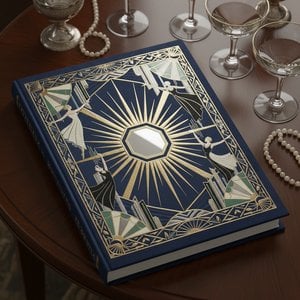
Discover the allure of Art Deco through a curated guide to its most iconic masterpieces. Explore the elegance of Erté and the innovation of Jean Dunand, perfect for collectors seeking timeless glamour and sophisticated design inspiration.

Explore the profound mystery of Metaphysical Art. Delve into the philosophical depths of Giorgio de Chirico’s dreamscapes and discover how this enigmatic movement redefined reality through unsettling beauty and classical symbolism.

 Visualizar na parede
 Compartilhar
 Compartilhar
 Detalhes

 Baixar imagem
 Semelhantes
 Raio X
 Slideshow

 Ler mais







 A opção de vidro está disponível apenas para tamanhos inferiores a 110 cm


