Anuncie
x
Visualizar em escalaVisualizar em escala Visualizar em RAVisualizar em RA Encomendar reprodução pintada à mão Encomendar reprodução pintada à mãoComprar imagem em alta resolução Comprar imagem em alta resolução EnviarEnviar
Ver detalhesVer detalhes Adicionar aos favoritos Adicionar aos favoritos BaixarBaixar SemelhantesSemelhantes Raio XRaio X Apresentação de slidesApresentação de slides

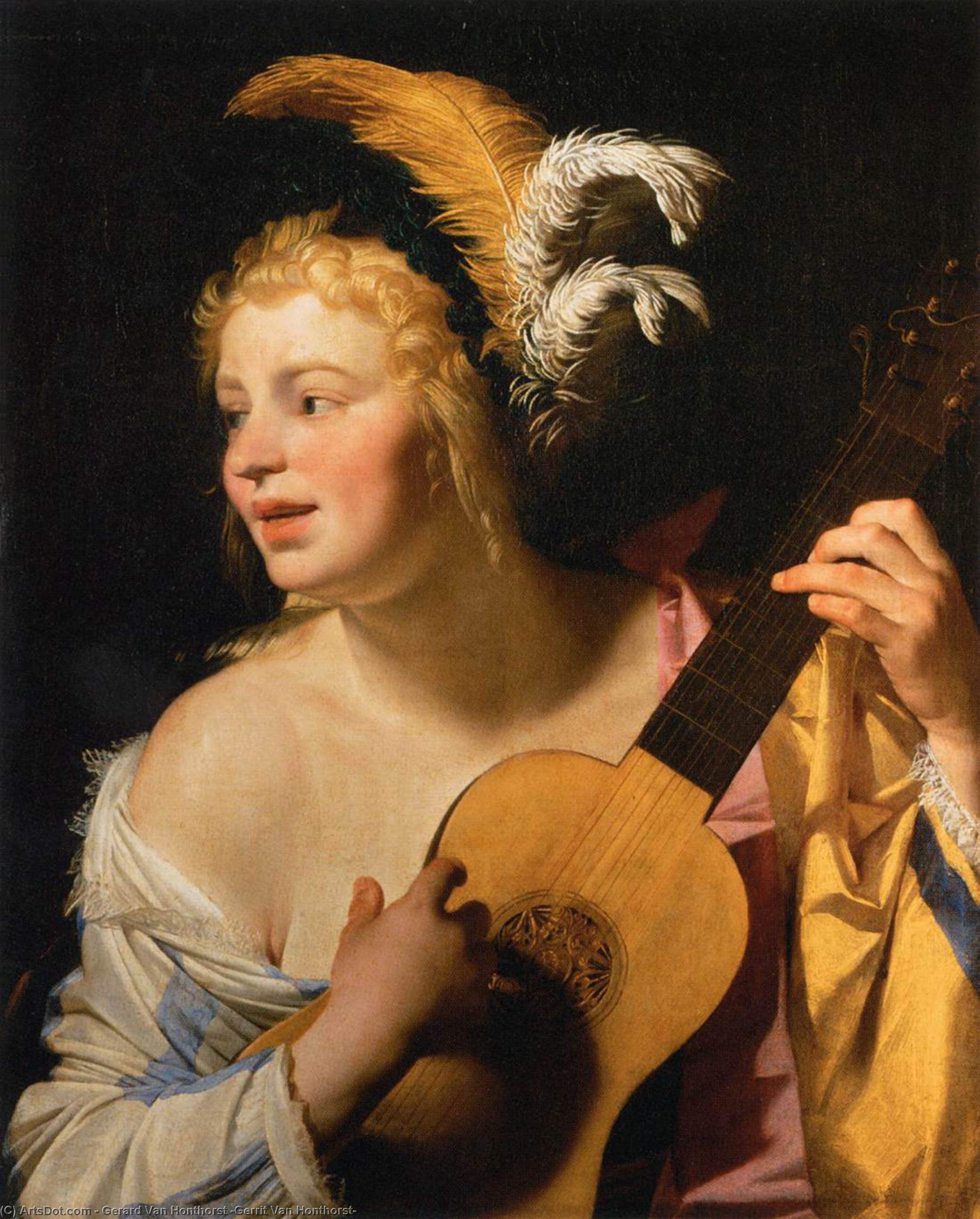
Mulher Tocando Violino

Uma obra-prima barroca de Gerard van Honthorst! Admire a beleza e o drama da 'Mulher Tocando Violino' (1624). Uma cena musical intensa, iluminada com maestria e rica em detalhes.

Explore as obras dramáticas de Gerard van Honthorst, mestre holandês do *tenebrismo* e efeitos de luz marcantes. Descubra seus retratos e cenas bíblicas! Um expoente chave do Barroco e do movimento Caravagista.

Giclée / Impressão de Arte

Impressão giclée ou em tela de qualidade de museu, com produção rápida e opções flexíveis de acabamento. (Encomendar reprodução pintada à mão Encomendar reprodução pintada à mãoComprar imagem em alta resolução Comprar imagem em alta resolução)

P118B $10
P118H $10
P118W $10
P438Z $10
P508JH $12
P508YH $12
P805H $10
P805Z $10
P919BZ $10
P919G $10
P919XJ $10
P959ZH $10
P968JZ $12
W106C $8
W218G $10
W218JH $8
W218Y $10
W307PJ $10
W316G $10
W316PJ $8
W316Y $10
W398PJ $8
W4111J $10
W500HY $15
W500JH $15
W692G $12
W849H $8
W940BG $15
W953PJ $8

Standard
custom
CM
INCH

Escolha entre os nossos tamanhos pré-definidos que respeitam as proporções originais da obra de arte.

largura
altura

Você pode inserir suas próprias dimensões para se ajustar a uma moldura ou espaço específico. Se o tamanho selecionado não corresponder às proporções da imagem original, iremos recortar a obra de arte ou estender a imagem com uma borda espelhada ou preenchimento sólido. Um mockup digital será enviado para sua aprovação antes do início da produção.
Por favor, observe que a visualização na tela não reflete o recorte ou a extensão real. Apenas o mockup mostrará com precisão a composição final.
Embora tamanhos personalizados estejam disponíveis, recomendamos selecionar uma dimensão da lista predefinida para preservar as proporções originais.

Entrega mundial () em 2 semanas, em vez das 4/5 semanas padrão. (16 Agosto)

why_choose_icon
Envio Expresso Gratuito para todo o Mundo
why_choose_icon
Tela de Linho Premium
why_choose_icon
Seguro de transporte total
why_choose_icon
Garantia de Reembolso de Impostos Alfandegários
why_choose_icon
Garantia de Fidelidade de Cor
why_choose_icon
Política de Devolução de 60 Dias (Apenas para Defeitos)
why_choose_icon
Garantia de reembolso de 100%
why_choose_icon
Desconto para múltiplas unidades

Preço Total

$ 68

reproduction

Mulher Tocando Violino

Giclée / Impressão de Arte

Dimensões da Reprodução

-

Preço Total

$ 68

Detalhes Rápidos

  • Subject or theme: Musician portrait
  • Influences: Caravaggio
  • Title: Woman Playing the Guitar
  • Medium: Oil on canvas
  • Artist: Gerard van Honthorst
  • Movement: Baroque
  • Location: Louvre Museum, Paris

Teste de Conhecimentos Artísticos

Cada pergunta possui apenas uma resposta correta.

Questão 1:
What artistic movement is most closely associated with Gerard van Honthorst’s ‘Woman Playing the Guitar’?
Questão 2:
The dramatic lighting in ‘Woman Playing the Guitar’ is a key characteristic known as:
Questão 3:
What symbolic element in the painting suggests nobility or connection to nature?
Questão 4:
According to the description, what perspective is primarily used in the artwork?
Questão 5:
In what year was ‘Woman Playing the Guitar’ painted?

Descrição do Item

A Elegância Dramática de uma Musa Barroca

A obra “Mulher Tocando o Violino” de Gerard van Honthorst, datada de 1624, é mais do que um retrato; é uma janela para a alma da época barroca. Esta pintura captura um momento fugaz de beleza e intimidade, imbuída de uma atmosfera dramática e rica em detalhes que convidam o espectador a se perder em sua composição. A figura central, uma jovem mulher envolta em vestes luxuosas, domina a cena com uma presença magnética, enquanto seu rosto levemente virado para o lado estabelece um diálogo direto e convidativo com quem observa.

Honthorst, um mestre da luz e sombra, utiliza o tenebrismo – uma técnica que se tornou sua marca registrada – para criar um contraste poderoso entre a luminosidade que ilumina o rosto e o corpo da mulher e as profundezas escuras do fundo. Essa estratégia não apenas realça a figura principal, mas também confere à imagem uma sensação de volume e tridimensionalidade, como se estivéssemos testemunhando um momento capturado em tempo real. As linhas orgânicas, que seguem os contornos delicados da face, dos cabelos e das roupas, harmonizam-se com as formas curvilíneas que predominam na draperia e nos traços naturais do rosto.

A Influência Caravagista e a Busca pela Emoção

A jornada de Honthorst para Roma, no início da década de 1620, foi um ponto de virada em sua carreira. Lá, ele teve o privilégio de conhecer as obras inovadoras de Caravaggio, um artista que revolucionou a pintura com seu uso dramático da luz e sombra. A influência de Caravaggio é inegável nesta obra, mas Honthorst não se limitou a uma mera imitação; ele absorveu os princípios do tenebrismo e os adaptou ao seu próprio estilo, criando uma atmosfera única e expressiva. O resultado é uma pintura que transcende a simples representação da figura, comunicando emoções e sensações através da manipulação cuidadosa da luz e das cores.

A paleta de cores utilizada por Honthorst é rica e vibrante, com tons terrosos predominantes que evocam a opulência e o luxo da época. As nuances sutis do pigmento, cuidadosamente aplicados em camadas finas, conferem à pintura uma textura impressionante, especialmente visível nas tonalidades das roupas, na pele da mulher e nos detalhes ornamentais de seu tocador. A atenção aos detalhes é um testemunho do talento e da habilidade técnica do artista.

Símbolos e a Alma Barroca

Além da beleza estética, a pintura está repleta de símbolos que enriquecem sua interpretação. O violino em si é um símbolo universal da música, da arte e da expressão emocional. A presença de penas adornando o tocador sugere nobreza, status social ou uma conexão com a natureza – elementos comuns na cultura barroca. A composição como um todo evoca temas de romance, beleza e talento musical, mas também convida à reflexão sobre a complexidade das relações humanas e a busca pela perfeição estética.

Esta obra, “Mulher Tocando o Violino”, é uma prova da genialidade de Gerard van Honthorst e do seu domínio da técnica barroca. Uma reprodução em alta qualidade oferece a oportunidade de apreciar cada detalhe desta pintura icônica, permitindo que sua beleza e emoção transcendam as fronteiras do tempo e do espaço.


Biografia do Artista

A Master of Light and Shadow: The Life and Art of Gerard van Honthorst

Gerard van Honthorst emerged from Utrecht in 1592, a pivotal figure poised to illuminate the Dutch Golden Age with his dramatic artistry. Initially guided by his father, a decorative painter, young Gerard’s talent blossomed under the tutelage of Abraham Bloemaert, establishing a solid foundation in draftsmanship and composition. However, it was a transformative journey to Rome that irrevocably altered the course of his artistic development. There, amidst the fervent energy of the Italian Baroque, he encountered the groundbreaking work of Caravaggio – an encounter that would define his signature style and earn him the evocative nickname “Gherardo delle Notti,” or Gerard of the Nights. The dramatic use of *tenebrism*, a technique employing stark contrasts between light and dark, became Honthorst’s hallmark, imbuing his canvases with a palpable sense of drama and emotional intensity. He wasn't merely imitating Caravaggio; he was translating the Italian master’s innovations into a distinctly Dutch sensibility, focusing on intimate scenes illuminated by artificial light sources – candles, lamps, and fires – creating an atmosphere both realistic and deeply theatrical. This mastery over light wasn’t simply technical skill; it was a means of revealing character, of drawing the viewer into the emotional core of each scene.

From Roman Acclaim to Dutch Mastery

Honthorst's time in Rome was marked by considerable success and patronage. He found favor amongst the city’s elite, including Vincenzo Giustiniani, for whom he created the powerful “Christ Before the High Priest,” a work that exemplifies his masterful command of light and shadow. This painting, now residing in London’s National Gallery, showcases not only his technical skill but also his ability to convey profound psychological depth within his figures. He further solidified his reputation by working for Cosimo II de' Medici, Grand Duke of Tuscany, demonstrating an adaptability and versatility that would serve him well throughout his career. Upon returning to Utrecht around 1620, Honthorst quickly established himself as a leading portrait painter in the Dutch Republic. His ability to capture not just physical likeness but also the character and social standing of his sitters made him highly sought after by wealthy merchants, nobles, and even royalty. He became president of the Guild of St. Luke in Utrecht in 1623, a testament to his growing influence within the artistic community. This period saw a flourishing of commissions, allowing Honthorst to refine his style and establish a distinctive voice within Dutch painting.

A Courtly Artist: Commissions and Collaborations

The reach of Honthorst’s talent extended beyond the Netherlands. His work attracted the attention of Sir Dudley Carleton, who enthusiastically recommended him to prominent English aristocrats like the Earl of Arundel and Lord Dorchester. This led to commissions from Queen Elizabeth of Bohemia, sister of Charles I, who employed him as both a painter and drawing master for her children. These royal connections culminated in significant works such as the allegorical depiction of Charles and Henrietta Maria as Diana and Apollo, now housed at Hampton Court Palace. Honthorst’s willingness to collaborate with other artists also speaks to his open-mindedness and artistic generosity. He famously hosted Peter Paul Rubens during a visit to Utrecht, even painting him in a playful scene depicting Diogenes searching for an honest man – a testament to the mutual respect between these two Baroque giants. While some collaborative works, like “The Taking of Christ,” were initially attributed solely to Honthorst, modern scholarship has revealed the contributions of other artists, highlighting the complex dynamics of artistic production during this period. These collaborations weren’t simply about sharing workload; they were intellectual exchanges that enriched the artistic landscape.

The Utrecht Caravaggisti and a Distinctive Style

Honthorst was a key figure in the *Utrecht Caravaggisti* movement – a group of Dutch painters who embraced Caravaggio's dramatic realism and *tenebrism*. Alongside artists like Hendrick ter Brugghen and Dirck van Baburen, he helped to establish a distinctly Dutch interpretation of Italian Baroque style. His emphasis on genre scenes illuminated by artificial light, his masterful portraits, and his ability to convey emotional depth through skillful use of chiaroscuro left an indelible mark on the development of Dutch Golden Age painting. He developed a unique approach, often depicting scenes with a heightened sense of theatricality and psychological tension, while retaining a remarkable attention to detail and naturalism. His compositions frequently featured multiple figures engaged in dynamic interactions, bathed in pools of light that emphasized their expressions and gestures. Honthorst’s work is characterized by a subtle yet powerful use of color, particularly the interplay of warm and cool tones, which further enhances the dramatic effect of his paintings.

Legacy and Enduring Influence

Gerard van Honthorst's influence resonated far beyond his lifetime. He was a pivotal figure in art history, bridging the gap between Italian Baroque innovation and Dutch artistic tradition. His ability to seamlessly blend Italian influences with Dutch sensibilities ensured his lasting legacy, inspiring generations of artists who followed. His paintings continue to captivate audiences today, offering a glimpse into the dramatic world of 17th-century Europe. The emotional intensity and masterful use of light in his works remain profoundly moving, reminding us of the power of art to reveal the complexities of human experience. He died in Utrecht in 1656, leaving behind a body of work that continues to illuminate the artistic landscape and stand as a testament to his extraordinary talent and vision.
Gerard van Honthorst

Gerard van Honthorst

1590 - 1656 , Países Baixos

Informações Rápidas

  • Artistic Movement Or Style: Barroco, Caravagismo
  • Artists Or Movements Influenced By This Artist: ['Utrecht Caravaggisti']
  • Artists Who Influenced This Artist: ['Caravaggio']
  • Date Of Birth: 1592
  • Date Of Death: 1656
  • Full Name: Gerard van Honthorst
  • Nationality: Holandês
  • Notable Artworks:
    • Cristo no Jardim de Oliveiras
    • Ceia do Último Dia
    • Diana e Apollo
  • Place Of Birth: Utrecht, Holanda
Explore obras de arte organizadas por temas, estilos e características.