Visualizar na paredeVisualizar na parede Ver em RAVer em RA Alternar para Impressão Alternar para ImpressãoComprar pintura feita à mão Comprar pintura feita à mão CompartilharCompartilhar
DetalhesDetalhes Adicionar aos favoritos Adicionar aos favoritos Baixar imagemBaixar imagem SemelhantesSemelhantes Raio XRaio X SlideshowSlideshow EstatísticasEstatísticas

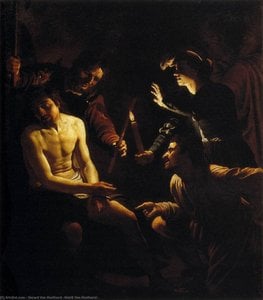
The Violinist

Discover Giampietrino’s ‘Repentant Mary Magdalene,’ a stunning Renaissance oil painting housed in The Hermitage. Explore its emotional depth, symbolism & rich textures – a must-see masterpiece!

Gerard ter Borch foi um pintor holandês do século XVII conhecido por suas obras de gênero que capturam cenas cotidianas com detalhes impressionantes e uso magistral da luz. Descubra 'A Carta' e outras obras-primas!

Adquira uma imagem digital de alta resolução e aprimorada, muito superior à prévia online.

Cada arquivo é meticulosamente preparado por nossos especialistas internos, utilizando ferramentas avançadas e retoques manuais de alta precisão. Garantimos que cada imagem apresente clareza excepcional, fidelidade de cores e detalhes minuciosos.

O arquivo final é entregue por e-mail em até 72 horas, otimizado para uso imediato em ambientes profissionais, editoriais e de impressão. Esta é a mesma qualidade utilizada por estúdios de design de alto nível, editoras e galerias.

Imagem Digital

Baixe um arquivo de alta resolução para exibição pessoal, impressão e projetos criativos. (Alternar para Impressão Alternar para ImpressãoComprar pintura feita à mão Comprar pintura feita à mão)

Preço Total

$ 24,90

Incluído em cada compra de imagem digital

Entrega Digital Especializada e Garantida

Ao escolher o WahooArt.com, você não está apenas adquirindo uma imagem — você está recebendo uma obra de arte digital profissionalmente aprimorada, elaborada com precisão e com garantia de satisfação. Aqui está tudo o que acompanha seu pedido, automaticamente:

shipping_icon
Entrega rápida por e-mail

O seu arquivo de imagem digital em alta resolução será enviado por e-mail em até 72 horas após o pedido — pronto para uso imediato.

canvas_icon
Arquivo Digital com IA Otimizado

Sua obra de arte é otimizada profissionalmente por meio de ferramentas avançadas de IA e edição manual, garantindo o máximo de detalhes, clareza e precisão de cores.

insurance_icon
Reenvio gratuito vitalício

Apagou ou perdeu o seu ficheiro acidentalmente? Não se preocupe – nós reenviamos para si a qualquer momento, gratuitamente.

tax_icon
Sem Taxas de Importação - Sempre

Desfrute da sua obra de arte instantaneamente, sem taxas alfandegárias, impostos ou custos de entrega — downloads digitais são sempre isentos de taxas.

color_icon
Garantia de Fidelidade de Cores

Garantimos que sua imagem digital reflita as cores originais com a maior fidelidade possível, utilizando ferramentas profissionais e gerenciamento de cores.

return_icon
Garantia de Satisfação de 100 Dias

Se não estiver satisfeito com a sua imagem digital, nós a revisaremos ou reembolsaremos 100% dentro de 100 dias — sem perguntas.

guarantee_icon
Garantia de Reembolso 100%

Não está satisfeito? Receba o reembolso total em até 100 dias após o recebimento do seu arquivo digital — sem perguntas.

discount_icon
Descontos para pedidos em lote

Compre 3 imagens, economize 10% - Compre 5, economize 15% - Compre 10+, economize 20%. Ideal para projetos criativos, galerias e agências.

Informações Rápidas

  • Title: The Violinist
  • Notable elements or techniques: Detailed realism; Light and shadow play
  • Artist: Gerard ter Borch
  • Artistic style: Genre painting
  • Location: Hermitage Museum, Saint Petersburg
  • Medium: Oil on panel
  • Year: 1665

Quiz de Arte

Cada pergunta possui apenas uma resposta correta.

Pergunta 1:
What artistic style is Gerard ter Borch’s ‘The Violinist’ primarily associated with?
Pergunta 2:
According to the description, what prominent feature characterizes the violin in the painting?
Pergunta 3:
The image description mentions two cups and two bowls on the table. What is the significance of this detail?
Pergunta 4:
What was Gerard ter Borch known for in Dutch art history?
Pergunta 5:
The painting’s date is 1665. During which period did Gerard ter Borch produce his most celebrated works?

A Window into Dutch Baroque Intimacy

Gerard ter Borch’s “The Violinist,” painted circa 1665, stands as a quintessential example of Dutch genre painting during its golden age—a period characterized by meticulous observation of everyday life and an unparalleled mastery of light and texture. More than just a portrait, it's a carefully crafted tableau that invites contemplation on human emotion and artistic skill.

Captured in the Baroque style, Terborch’s technique is remarkable for its realism. He eschewed grand theatrical gestures, opting instead for a quiet scene focused on a single figure—a man seated at a table with two cups and bowls—engaged in playing the violin. The artist's meticulous attention to detail is evident in every brushstroke; observe how light dances across the varnished surface of the violin, illuminating its contours and creating an illusion of depth that transcends mere representation.

Historical Context: Reflecting Enlightenment Values

The painting emerged during a time when Dutch society was grappling with intellectual currents influenced by the Enlightenment. Terborch’s work reflects this shift towards rationalism while simultaneously retaining elements of traditional artistic conventions. Unlike earlier portraits that prioritized status and lineage, “The Violinist” delves into psychological nuance—the violinist's gaze is direct, conveying both concentration and perhaps a hint of melancholy. This focus on inner experience aligns with the broader humanist spirit of the era.

Symbolism: Music as Embodiment of Soul

Music held profound significance in seventeenth-century Dutch culture, symbolizing intellect, refinement, and spiritual contemplation. The violin itself serves as a potent emblem—a tool for artistic expression and a conduit to emotion. Its placement on the table alongside simple objects like cups and bowls underscores Terborch’s intention to portray not just an individual but also his inner world. The careful arrangement contributes to the overall sense of serenity and understated beauty.

Emotional Impact: Capturing Transient Moments

Terborch's genius lies in his ability to convey fleeting emotions with remarkable precision. “The Violinist” isn’t about grand pronouncements; it’s about capturing a single, contemplative moment—a man absorbed in his craft. The artist skillfully utilizes chiaroscuro—the dramatic interplay of light and shadow—to heighten the emotional resonance of the scene. This technique draws viewers into the violinist's inner life, prompting reflection on themes of solitude, passion, and artistic devotion.

Resources for Further Exploration

  • Discover Giampietrino’s ‘Repentant Mary Magdalene,’ a stunning Renaissance oil painting housed in The Hermitage. Explore its emotional depth, symbolism & rich textures – a must-see masterpiece! Learn More
  • Explore the captivating world of Gerard ter Borch, a master of Dutch Golden Age genre painting. Discover his intimate scenes, masterful light, and lasting influence on art history. Learn more at WahooArt.Read Article
  • The Violinist, c.1665 - Gerard Terborch - WikiArt.orgWikiArt Link

Biografia do Artista

Um pioneiro da pintura de gênero holandesa

Gerard ter Borch, uma figura proeminente da Idade de Ouro holandesa, deixou uma marca indelével no mundo da arte com suas pinturas de gênero. Nascido em dezembro de 1617 e falecido em 8 de dezembro de 1681, a vida de Ter Borch foi um verdadeiro testemunho de sua destreza artística.

Primeiros anos e influências

Embora os primeiros anos de Ter Borch não estejam bem documentados, sabe-se que ele viajou extensivamente pela Europa, incluindo Londres, Alemanha, França, Espanha e Itália. Essa exposição ampliou seus horizontes artísticos, influenciando seu estilo único. Sua irmã, Gesina ter Borch, também seguiu uma carreira na pintura, consolidando ainda mais as inclinações artísticas da família.

Obras e conquistas notáveis

Museus e coleções que apresentam a obra de Ter Borch

  • The Hermitage: com seis de suas obras, possui uma das maiores coleções dedicadas ao artista.
  • Museu de Berlim: apresenta seis peças, demonstrando o apelo internacional de Ter Borch.
  • Getty Center: três de suas pinturas fazem parte desta estimada coleção.

Legado e impacto

A influência de Ter Borch sobre pintores holandeses como Gabriel Metsu, Gerrit Dou, Eglância van der Neer e Johannes Vermeer é bem documentada. Sua abordagem inovadora à pintura de gênero tornou-o uma figura fundamental na história da arte. Conclusão: O legado duradouro de Gerard ter Borch é um testemunho de sua abordagem inovadora à pintura de gênero, influenciando gerações de artistas e consolidando seu lugar nos anais da história da arte.
Gerard ter Borch

Gerard ter Borch

1617 - 1681 , Países Baixos

Breve Biografia

  • Artistic Movement Or Style: Pintura de gênero
  • Artists Or Movements Influenced By This Artist: ['Pintura holandesa']
  • Artists Who Influenced This Artist:
    • Gabriel Metsu
    • Johannes Vermeer
  • Date Of Birth: 1617-12-01
  • Date Of Death: 1681-12-08
  • Full Name: Gerard ter Borch
  • Nationality: Holandês
  • Notable Artworks:
    • A Carta
    • A Conversa Graciosa
  • Place Of Birth: Zwolle, Netherlands