x
Visualizar na paredeVisualizar na parede Ver em RAVer em RA Comprar impressão Comprar impressãoComprar imagem Comprar imagem CompartilharCompartilhar
DetalhesDetalhes Adicionar aos favoritos Adicionar aos favoritos Baixar imagemBaixar imagem SemelhantesSemelhantes Raio XRaio X SlideshowSlideshow

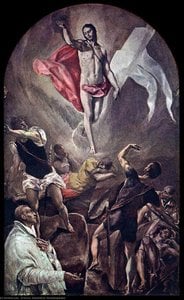
LA RESURRECTION DU CHRIST

Witness the dramatic Resurrection of Christ by Gerard Seghers! This Baroque masterpiece captures the pivotal moment with vibrant colors, dynamic figures, and profound symbolism – a timeless testament to faith and hope.

Gerard Seghers (1591-1651) was a Flemish Baroque painter known for his Caravaggisti works, monumental genre scenes & religious altarpieces. A successful artist & dealer in Antwerp, he later embraced Rubens' influence. Explore his dramatic chiaroscuro

Reprodução em Óleo Feita à Mão

Óleo sobre tela pintado à mão no tamanho e moldura de sua escolha, feito sob encomenda pelos nossos artistas. (Comprar impressão Comprar impressãoComprar imagem Comprar imagem)

P118B $10
P118H $10
P118W $10
P438Z $10
P508JH $12
P508YH $12
P805H $10
P805Z $10
P919BZ $10
P919G $10
P919XJ $10
P959ZH $10
P968JZ $12
W106C $8
W218G $10
W218JH $8
W218Y $10
W307PJ $10
W316G $10
W316PJ $8
W316Y $10
W398PJ $8
W4111J $10
W500HY $15
W500JH $15
W692G $12
W849H $8
W940BG $15
W953PJ $8

Tamanho padrão
personalizado
CM
INCH

Escolha entre os nossos tamanhos pré-definidos que respeitam as proporções originais da obra de arte.

largura
altura

Pode inserir as suas próprias dimensões para se adequar a uma moldura ou espaço específico. Se o tamanho selecionado não corresponder às proporções da imagem original, iremos cortar a obra de arte ou estender a pintura com elementos adicionais pintados à mão. Um esboço digital será enviado para sua aprovação antes do início da produção.
Tenha em atenção que a pré-visualização no ecrã não reflete o corte ou extensão real. Apenas o esboço mostrará com precisão a composição final.
Embora tamanhos personalizados estejam disponíveis, recomendamos selecionar uma dimensão da lista predefinida para preservar as proporções originais.

Exemplos do que pode ser personalizado: Substituir o rosto pela foto do cliente; Adicionar um animal de estimação (ex: substituir gato por cão); Incluir uma mensagem oculta no fundo; Alterar a paisagem ou elementos do fundo.
Após o pedido, a equipa WahooArt.com enviará um e-mail ao cliente para solicitar instruções e fornecer uma prévia do esboço.

Entrega mundial () em 3 a 4 semanas, em vez das 5 semanas padrão. (28 Agosto). Sem comprometer a qualidade.

why_choose_icon
Envio expresso gratuito para todo o mundo
why_choose_icon
Tela de Linho de Alta Qualidade
why_choose_icon
Seguro de transporte completo
why_choose_icon
Garantia de Reembolso de Impostos Alfandegários
why_choose_icon
Garantia de Fidelidade Cromática
why_choose_icon
Política de Devolução em 60 Dias (Apenas para Defeitos)
why_choose_icon
Garantia de reembolso de 100%
why_choose_icon
Oferta de desconto por quantidade

Preço Total

$ 547

reproduction

LA RESURRECTION DU CHRIST

Técnica de Reprodução

Tamanho da Reprodução

-

Preço Total

$ 547

Informações Rápidas

  • Title: LA RESURRECTION DU CHRIST
  • Medium: Oil on canvas
  • Influences: Caravaggio
  • Year: 1620s
  • Artistic style: Caravaggisti
  • Movement: Baroque
  • Artist: Gerard Seghers

Quiz de Arte

Cada pergunta possui apenas uma resposta correta.

Pergunta 1:
What is the primary religious subject depicted in Gerard Seghers’s ‘La Résurrection du Christ’?
Pergunta 2:
Which artistic movement is most closely associated with Gerard Seghers’s style?
Pergunta 3:
The painting prominently features a flag with the cross. What does this symbol represent?
Pergunta 4:
Based on the description, what is a key characteristic of Seghers’s use of color in this painting?
Pergunta 5:
Gerard Seghers was known for his influence on which artistic movement?

The Resurrection of Christ – A Baroque Masterpiece by Gerard Seghers

Gerard Seghers’s “La Résurrection du Christ” is not merely a depiction of a biblical event; it's a visceral embodiment of faith, triumph, and divine grace. Painted in the early 17th century during a period of intense religious fervor within the Flemish Baroque movement, this monumental work transcends its historical context to resonate powerfully with viewers today. Seghers, deeply influenced by the dramatic innovations of Caravaggio, masterfully employs light, color, and dynamic composition to convey the profound spiritual significance of Christ’s resurrection – a moment that fundamentally reshaped Christian belief.

The painting immediately commands attention through its sheer scale and theatrical intensity. Centered within a pyramidal structure, Christ ascends from an open tomb, his figure bathed in a radiant light that seems to emanate directly from the heavens. This isn’t a gentle, serene ascension; it's a forceful surge upwards, conveying both physical movement and spiritual elevation. The composition is deliberately crowded, teeming with figures – angels bearing banners adorned with crosses, grieving women, and onlookers rendered in varying states of awe and disbelief. Seghers skillfully uses overlapping forms and dramatic foreshortening to create a sense of depth and immediacy, pulling the viewer directly into the heart of the scene.

A Symphony of Color and Light – Baroque Techniques

Seghers’s mastery lies in his command of color and light—elements central to the Baroque aesthetic. He employs a rich, saturated palette dominated by deep reds, earthy browns, and shimmering golds, evoking both earthly passion and divine splendor. The stark contrasts between light and shadow, or *chiaroscuro*, are particularly striking, highlighting Christ’s luminous form while simultaneously casting dramatic shadows across the surrounding figures. This technique not only adds depth and volume but also imbues the scene with a palpable sense of drama and emotional intensity. Notice how the golden hues of the angels' garments contrast sharply with the somber tones of the tomb, further emphasizing Christ’s victory over death.

The artist’s brushwork is deliberately visible, contributing to the painting’s textured surface and conveying a sense of immediacy and energy. Layers of paint are applied in broad strokes, creating a dynamic interplay between smooth areas and rougher textures – particularly evident in the drapery and the stone of the tomb. This technique, characteristic of Baroque art, adds a layer of physicality to the scene, making it feel both monumental and intensely human.

Symbolism and Spiritual Resonance

Beyond its visual drama, “La Résurrection du Christ” is laden with symbolic meaning. The flag bearing the cross is a potent emblem of Christian faith, representing the sacrifice and resurrection of Jesus. The angels, depicted as messengers of divine grace, symbolize God’s intervention in human affairs. The expressions on the faces of the onlookers – ranging from profound grief to ecstatic joy – reflect the diverse range of emotions evoked by this pivotal event. The inclusion of the grieving women, traditionally Mary Magdalene and Mary at the tomb, underscores the personal impact of Christ's resurrection on humanity.

Interestingly, the painting’s roots lie in a complex interplay of artistic influences. Seghers was deeply influenced by Caravaggio’s dramatic use of light and shadow, as well as Bartolomeo Manfredi, another prominent Caravaggisti painter. However, Seghers developed his own distinctive style, characterized by a greater emphasis on composition and a more refined handling of color. The painting's historical context is also significant; it was created during a period of intense religious debate and reform within the Catholic Church, reflecting the era’s fervent spiritual atmosphere.

A Legacy of Dramatic Faith

“La Résurrection du Christ” stands as a testament to Gerard Seghers’s artistic genius and his profound understanding of Christian iconography. It's more than just a historical depiction; it’s an emotionally charged meditation on faith, sacrifice, and the promise of eternal life. The painting continues to captivate viewers with its dramatic intensity, masterful technique, and enduring symbolism – a powerful reminder of the transformative power of Christ’s resurrection.


Biografia do Artista

Gerard Seghers: A Caravaggisti Pioneer of Flanders

Gerard Seghers, born in Antwerp in 1591 and tragically passing away in 1651, stands as a pivotal figure bridging the dynamic transition between the High Renaissance and the Baroque periods within Flemish art. More than simply a painter, he was an astute art collector, shrewd dealer, and a key representative of the Caravaggisti movement – artists deeply influenced by the dramatic style pioneered by Michelangelo Merisi da Caravaggio. His journey took him from the relative stability of Antwerp to the vibrant, challenging environment of Rome and Spain, ultimately shaping his distinctive artistic voice and leaving behind a legacy of powerful religious scenes, evocative genre paintings, and monumental altarpieces that continue to captivate viewers today.

Early Life and Artistic Training

Seghers’s early life remains shrouded in some mystery, though we know he was the son of an innkeeper, Jan Seghers, and Ida de Neve. Remarkably, there's little evidence suggesting a direct familial connection to Daniel Seghers, the renowned Jesuit painter specializing in still lifes – a distinction that adds another layer of intrigue to his story. At the tender age of twelve, he enrolled as a pupil within the prestigious Guild of Saint Luke in Antwerp, an institution crucial for training aspiring artists. The identity of his initial teacher remains uncertain, with speculation pointing towards figures like Abraham Janssens, Hendrick van Balen, or Caspar de Crayer (the father of Gaspar de Crayer). This early period was foundational, providing him with the technical skills and artistic principles necessary to embark on his ambitious career.

Rome and the Caravaggisti Influence

In 1608, at just seventeen years old, Seghers achieved master status within the Antwerp Guild, a remarkable accomplishment for someone so young. However, his true artistic development began with a pivotal journey to Italy around 1611. This period in Rome proved transformative, exposing him directly to the fervent followers of Caravaggio – artists who had themselves been deeply affected by the revolutionary style of the Italian master. Among these disciples was Bartolomeo Manfredi, whose dramatic use of light and shadow profoundly impacted Seghers’s early work. He immersed himself in their techniques, studying their compositions and absorbing their intense emotionalism. He also encountered other prominent Caravaggisti residing in Rome, including Gerard van Honthorst, Dirck van Baburen, and Jan Janssens, broadening his artistic horizons and solidifying his commitment to the Caravagist aesthetic.

Return to Flanders and a Shift in Style

Returning to Antwerp around 1620, Seghers initially continued to produce works firmly rooted in the Caravaggisti style – characterized by tenebrism (extreme contrasts between light and dark), dynamic compositions, and a focus on realistic depictions of human emotion. However, as his career progressed, he gradually moved away from this purely Caravagist approach. He began to incorporate elements of Peter Paul Rubens’s distinctive style—a master painter who had profoundly influenced the artistic landscape of Antwerp—resulting in a more refined and polished aesthetic. This shift is particularly evident in his later altarpieces for local churches, where he created monumental works imbued with grandeur and emotional depth while retaining a sense of dramatic realism.

Major Works and Legacy

Seghers’s artistic output spanned a diverse range of subjects. His paintings are renowned for their powerful depictions of religious scenes, such as “Christ and the Penitent Sinners” (c. 1640-1651), which vividly portrays the suffering of Christ alongside his followers, showcasing his mastery of dramatic lighting and emotional intensity. “The Denial of St. Peter” exemplifies his ability to capture intense human drama through carefully rendered figures and a masterful use of chiaroscuro. “Saint Eloi au pied de la Vierge” demonstrates his skill in portraying religious iconography with both spiritual depth and artistic beauty. Beyond these iconic works, Seghers produced numerous genre scenes—depictions of everyday life—and contributed significantly to the decoration of important civic events, including the lavish celebrations surrounding Cardinal-Infante Ferdinand’s entry into Ghent in 1635. His legacy extends beyond his individual paintings; he was a respected art dealer and collector, contributing to the vibrant artistic culture of Antwerp during a period of significant change. Gerard Seghers remains a compelling figure—a testament to the dynamic interplay between artistic influences, personal evolution, and the enduring power of Baroque painting.
Gerard Seghers

Gerard Seghers

1591 - 1651 , Belgium

Dados Rápidos

  • Artistic Movement Or Style: Caravaggisti, Baroque
  • Artists Or Movements Influenced By This Artist:
    • Rubens
    • Dutch Caravaggisti
  • Artists Who Influenced This Artist:
    • Bartolomeo Manfredi
    • Caravaggio
  • Date Of Birth: 1591 Antwerp, Belgium
  • Date Of Death: 1651 Antwerp, Belgium
  • Full Name: Gerard Seghers
  • Nationality: Flemish
  • Notable Artworks:
    • Christ and Penitent Sinners
    • The Denial of St. Peter
    • Saint Eloi au pied de la Vierge
  • Place Of Birth: Antwerp, Belgium