Visualizar na paredeVisualizar na parede Ver em RAVer em RA Alternar para Impressão Alternar para ImpressãoComprar pintura feita à mão Comprar pintura feita à mão CompartilharCompartilhar
DetalhesDetalhes Adicionar aos favoritos Adicionar aos favoritos Baixar imagemBaixar imagem SemelhantesSemelhantes Raio XRaio X SlideshowSlideshow EstatísticasEstatísticas

untitled (6800)

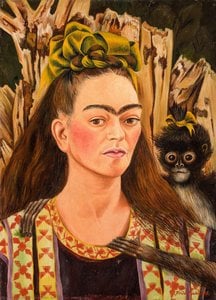
Delve into Frida Kahlo's surrealist masterpiece 'Untitled (6800)' – a poignant self-portrait brimming with symbolism reflecting Aztec mythology and her enduring legacy in art history.

Explore 'As Duas Fridas' de Frida Kahlo: um autorretrato pungente sobre dor, resiliência e identidade. Mergulhe na arte surrealista e no legado mexicano da artista.

Adquira uma imagem digital de alta resolução e aprimorada, muito superior à prévia online.

Cada arquivo é meticulosamente preparado por nossos especialistas internos, utilizando ferramentas avançadas e retoques manuais de alta precisão. Garantimos que cada imagem apresente clareza excepcional, fidelidade de cores e detalhes minuciosos.

O arquivo final é entregue por e-mail em até 72 horas, otimizado para uso imediato em ambientes profissionais, editoriais e de impressão. Esta é a mesma qualidade utilizada por estúdios de design de alto nível, editoras e galerias.

Imagem Digital

Baixe um arquivo de alta resolução para exibição pessoal, impressão e projetos criativos. (Alternar para Impressão Alternar para ImpressãoComprar pintura feita à mão Comprar pintura feita à mão)

Preço Total

$ 24,90

Incluído em cada compra de imagem digital

Entrega Digital Especializada e Garantida

Ao escolher o WahooArt.com, você não está apenas adquirindo uma imagem — você está recebendo uma obra de arte digital profissionalmente aprimorada, elaborada com precisão e com garantia de satisfação. Aqui está tudo o que acompanha seu pedido, automaticamente:

shipping_icon
Entrega rápida por e-mail

O seu arquivo de imagem digital em alta resolução será enviado por e-mail em até 72 horas após o pedido — pronto para uso imediato.

canvas_icon
Arquivo Digital com IA Otimizado

Sua obra de arte é otimizada profissionalmente por meio de ferramentas avançadas de IA e edição manual, garantindo o máximo de detalhes, clareza e precisão de cores.

insurance_icon
Reenvio gratuito vitalício

Apagou ou perdeu o seu ficheiro acidentalmente? Não se preocupe – nós reenviamos para si a qualquer momento, gratuitamente.

tax_icon
Sem Taxas de Importação - Sempre

Desfrute da sua obra de arte instantaneamente, sem taxas alfandegárias, impostos ou custos de entrega — downloads digitais são sempre isentos de taxas.

color_icon
Garantia de Fidelidade de Cores

Garantimos que sua imagem digital reflita as cores originais com a maior fidelidade possível, utilizando ferramentas profissionais e gerenciamento de cores.

return_icon
Garantia de Satisfação de 100 Dias

Se não estiver satisfeito com a sua imagem digital, nós a revisaremos ou reembolsaremos 100% dentro de 100 dias — sem perguntas.

guarantee_icon
Garantia de Reembolso 100%

Não está satisfeito? Receba o reembolso total em até 100 dias após o recebimento do seu arquivo digital — sem perguntas.

discount_icon
Descontos para pedidos em lote

Compre 3 imagens, economize 10% - Compre 5, economize 15% - Compre 10+, economize 20%. Ideal para projetos criativos, galerias e agências.

Informações Rápidas

  • Medium: Oil on canvas
  • Artistic style: Naive folk art
  • Location: AllPaintingsStore.com
  • Artist: Frida Kahlo
  • Movement: Surrealism
  • Subject or theme: Identity, pain, love
  • Title: Untitled (6800)

Quiz de Arte

Cada pergunta possui apenas uma resposta correta.

Pergunta 1:
What artistic movement is Frida Kahlo’s ‘Untitled (6800)’ primarily associated with?
Pergunta 2:
The monkey on Frida Kahlo's shoulder in the painting symbolizes:
Pergunta 3:
What is a key characteristic of Surrealist art?
Pergunta 4:
Where can you find an impressive collection of surrealist masterpieces, including works by Kahlo?
Pergunta 5:
What is the primary purpose of Frida Kahlo's self-portraits?

Unveiling "Untitled (6800)": A Surrealist Journey with Frida Kahlo

Frida Kahlo’s “Untitled (6800),” painted in 1943, stands as a potent testament to the artist's deeply personal and profoundly surreal vision. More than just a portrait, it’s an immersive exploration of identity, pain, and the vibrant pulse of Mexican culture – a world rendered with meticulous detail and imbued with layers of symbolic meaning. This painting, created during a period of intense physical and emotional struggle for Kahlo, offers a rare glimpse into her inner landscape, inviting viewers to confront their own perceptions of reality alongside hers.

The artwork immediately captivates with its rich color palette – earthy browns, vibrant greens, and the striking blues and reds that dominate the composition. Kahlo’s signature braided hair and traditional Mexican clothing are rendered with a remarkable degree of realism, anchoring the scene in her cultural heritage. However, it is the surrounding environment—the lush vegetation and array of animals—that elevates this self-portrait to the realm of surrealism. The meticulous detail with which each element is depicted speaks to Kahlo’s dedication to her craft and her desire to create a world that reflects her innermost thoughts and feelings.

Decoding the Symbolism: A Language of the Soul

“Untitled (6800)” is replete with symbolism, transforming the painting into a complex narrative. The most prominent figure, the monkey perched on Kahlo’s shoulder, is widely interpreted as representing the Aztec god of love, Xochiquetzal. This association underscores themes of fertility, passion, and the duality of human experience – mirroring Kahlo's own tumultuous romantic life. Beyond this central symbol, the other animals—a deer, a parrot, and a dog—each carry their own significance, contributing to the painting’s layered meaning. Some scholars believe the deer represents purity, while the parrot symbolizes communication and intelligence. The inclusion of these diverse creatures reflects Kahlo's fascination with nature and her desire to capture the complexities of the natural world.

The Surrealist Movement & Kahlo’s Legacy

Painted during the height of the surrealist movement, “Untitled (6800)” exemplifies the movement’s core tenets: a rejection of rational thought and an embrace of dreams, fantasy, and the unconscious mind. Influenced by artists like Salvador Dalí and René Magritte, Kahlo sought to tap into the raw emotions that lay beneath the surface of reality. Her work challenged conventional notions of beauty and representation, offering a brutally honest portrayal of her own suffering and resilience. Kahlo’s influence extends far beyond the surrealist movement; she is now recognized as one of the most important artists of the 20th century, inspiring generations with her fearless self-expression and her ability to transform personal pain into universal art.

Experience the Magic: Reproductions & Beyond

WahooArt.com offers meticulously crafted hand-painted reproductions of “Untitled (6800),” allowing you to bring this iconic artwork into your own space. Each reproduction is created by skilled artisans, ensuring that every detail – from Kahlo’s expressive eyes to the intricate textures of her clothing and the vibrant hues of the surrounding flora – is faithfully reproduced. Whether you are an art collector, a design enthusiast, or simply someone who appreciates beauty and artistry, a WahooArt.com reproduction of “Untitled (6800)” will be a treasured addition to your collection. Explore similar works by Frida Kahlo and discover more about the surrealist movement on WahooArt.com and through resources like Wikipedia and the Berardo Collection Museum in Lisbon.


Biografia do Artista

A Life Forged in Pain and Passion

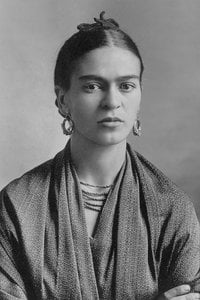
Magdalena Carmen Frida Kahlo y Calderón, known to the world simply as Frida Kahlo, was more than an artist; she was a force of nature, a defiant spirit whose life became inextricably woven into her art. Born on July 6, 1907, in Coyoacán, Mexico City, her existence was marked by physical suffering and emotional turbulence, experiences that would ultimately fuel the intensely personal and symbolic imagery for which she is celebrated. Her father, Guillermo Kahlo, a German-Mexican photographer, fostered her intellectual curiosity and artistic inclinations from an early age. However, Frida’s childhood was shadowed by illness; at six years old, she contracted polio, leaving her with a permanent limp and impacting her physical development. This early encounter with vulnerability and limitation would become a recurring theme in her work, shaping her perspective on the body, pain, and resilience.

The Shattered Body, The Blossoming Art

In 1925, at the tender age of eighteen, Frida’s life irrevocably changed. A horrific bus accident left her with catastrophic injuries – fractures to her spine, pelvis, and leg, among others. Confined to a lengthy period of recovery, often bedridden and encased in plaster casts, she turned inward, finding solace and expression through painting. Her mother provided an easel adapted for use while lying down, transforming the confines of her physical limitations into a space for artistic exploration. It was during this time that Frida began to explore self-portraiture with relentless intensity. Unable to venture out into the world, she turned her gaze inward, meticulously documenting her own image as a means of understanding and confronting her pain, both physical and emotional. These early works were not merely representations of her likeness; they were visceral explorations of identity, vulnerability, and the enduring power of the human spirit. The accident wasn’t simply a tragedy; it was a catalyst that unlocked her artistic potential, forcing her to confront her own mortality and find meaning in suffering.

A Tumultuous Union and Artistic Flourishing

Frida's life took another pivotal turn in 1929 when she married the renowned Mexican muralist Diego Rivera. Their relationship was a passionate but tempestuous affair, marked by intense love, infidelity, artistic rivalry, and periods of separation and reconciliation. Despite the emotional turmoil, Rivera proved to be a significant influence on Frida’s artistic development. He encouraged her unique vision, offering constructive criticism while recognizing the raw power and originality of her work. Under his guidance, and through her own relentless experimentation, Frida's style began to coalesce, blending elements of Mexican folk art, realism, and surrealism into a distinctive visual language. Her paintings became increasingly symbolic, exploring themes of identity, the human body, pain, death, and the complexities of female experience. She didn’t shy away from depicting her own suffering; instead, she embraced it as a central theme in her work, transforming personal trauma into universal statements about the human condition.

Symbols of Suffering, Resilience, and Identity

Frida Kahlo is perhaps best known for her self-portraits, which are characterized by their unflinching honesty and symbolic depth. Works like The Two Fridas (1939), a powerful depiction of her dual identity following her divorce from Rivera, showcase her ability to externalize internal conflict through striking visual metaphors. Self-Portrait with Thorn Necklace and Hummingbird (1940) is laden with symbolism – the thorns representing pain, the hummingbird symbolizing hope and resilience, and the black cat a harbinger of bad luck. The Broken Column (1944), a harrowing portrayal of her physical suffering, depicts Frida’s torso split open to reveal a crumbling Ionic column in place of her spine, held together by straps and pierced with nails. Even Henry Ford Hospital (1932), a raw and deeply personal depiction of her miscarriage, demonstrates her willingness to confront taboo subjects with unflinching honesty. These paintings are not merely representations of pain; they are acts of defiance, assertions of selfhood in the face of adversity.

A Lasting Legacy

Frida Kahlo’s influence extends far beyond the realm of art. She was a cultural icon who challenged traditional gender roles and societal expectations through her life and work. Her embrace of Mexican culture and identity helped to elevate its profile on the international stage, and her unflinching portrayal of pain resonated with audiences worldwide, making her a symbol of resilience and strength. She became an important figure for Chicanos in the United States, representing their cultural heritage and struggles. Though she resisted being categorized as a Surrealist, her work shares affinities with the movement’s exploration of the subconscious and dreamlike imagery. Today, Frida Kahlo is celebrated as one of the most important artists of the 20th century, whose legacy continues to inspire generations to embrace their identities, confront adversity, and express themselves authentically. Her art remains a testament to the enduring power of the human spirit to find beauty and meaning even in the darkest of times.

Frida Kahlo

Frida Kahlo

1907 - 1954 , México

Breve Biografia

  • Artistic Movement Or Style: Surrealismo, Folk art
  • Artists Or Movements Influenced By This Artist: ['Chicano art']
  • Artists Who Influenced This Artist:
    • Diego Rivera
    • Mexican folk artists
  • Date Of Birth: 6 julho 1907
  • Date Of Death: 13 julho 1954
  • Full Name: Magdalena Carmen Frida Kahlo y Calderón
  • Nationality: Mexicana
  • Notable Artworks:
    • As Duas Fridas
    • Flor da Vida
    • Henry Ford Hospital
  • Place Of Birth: Cidade do México, México