Visualizar na parede Visualizar em RA Comprar pintura feita à mão Alternar para Imagem Digital Compartilhar
Detalhes Guia Adicionar aos favoritos Baixar imagem Semelhantes Raio X Ver diaporama Estatísticas

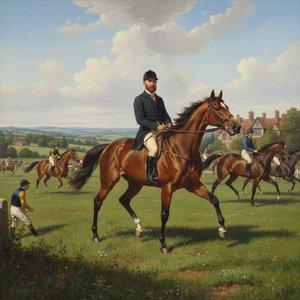
Camel's Hump

Frederick McCubbin's 'Camel’s Hump' (1912) captures the Australian landscape with evocative brushstrokes, reflecting pioneering life and national identity – a cornerstone of Heidelberg School art.

Descubra Frederick McCubbin (1855-1917), um artista chave do Impressionismo australiano e da Escola Heidelberg. Explore suas obras icônicas que retratam a vida pioneira e identidade nacional, incluindo 'On the Wallaby Track'.

Giclée / Impressão de Arte

Impressão giclée ou em tela de qualidade de museu, com produção rápida e opções flexíveis de acabamento. ( Comprar pintura feita à mão Alternar para Imagem Digital)

Corner sample of the P118B picture frame: poliestireno moldado, 5 cm wide and 3 cm thick
P118B €10
Corner sample of the P118H picture frame: poliestireno moldado, 5 cm wide and 3 cm thick
P118H €10
Corner sample of the P118W picture frame: poliestireno moldado, 5 cm wide and 3 cm thick
P118W €10
Corner sample of the P438Z picture frame: poliestireno moldado, 5.5 cm wide and 3.5 cm thick
P438Z €10
Corner sample of the P508JH picture frame: poliestireno moldado, 7 cm wide and 3.5 cm thick
P508JH €12
Corner sample of the P508YH picture frame: poliestireno moldado, 7 cm wide and 3.5 cm thick
P508YH €12
Corner sample of the P805H picture frame: poliestireno moldado, 5 cm wide and 3.5 cm thick
P805H €10
Corner sample of the P805Z picture frame: poliestireno moldado, 5 cm wide and 3.5 cm thick
P805Z €10
Corner sample of the P919BZ picture frame: poliestireno moldado, 7 cm wide and 3.5 cm thick
P919BZ €10
Corner sample of the P919G picture frame: poliestireno moldado, 7 cm wide and 3.5 cm thick
P919G €10
Corner sample of the P919XJ picture frame: poliestireno moldado, 7 cm wide and 3.5 cm thick
P919XJ €10
Corner sample of the P959ZH picture frame: poliestireno moldado, 5 cm wide and 3 cm thick
P959ZH €10
Corner sample of the P968JZ picture frame: poliestireno moldado, 6 cm wide and 4 cm thick
P968JZ €12
Corner sample of the W106C picture frame: madeira maciça, 5 cm wide and 3 cm thick
W106C €8
Corner sample of the W218G picture frame: madeira maciça, 5 cm wide and 3 cm thick
W218G €10
Corner sample of the W218JH picture frame: madeira maciça, 5 cm wide and 3 cm thick
W218JH €8
Corner sample of the W218Y picture frame: madeira maciça, 5 cm wide and 3 cm thick
W218Y €10
Corner sample of the W307PJ picture frame: madeira maciça, 6 cm wide and 3 cm thick
W307PJ €10
Corner sample of the W316G picture frame: madeira maciça, 6 cm wide and 3 cm thick
W316G €10
Corner sample of the W316PJ picture frame: madeira maciça, 6 cm wide and 3 cm thick
W316PJ €8
Corner sample of the W316Y picture frame: madeira maciça, 6 cm wide and 3 cm thick
W316Y €10
Corner sample of the W398PJ picture frame: madeira maciça, 5 cm wide and 3 cm thick
W398PJ €8
Corner sample of the W4111J picture frame: madeira maciça, 6.5 cm wide and 3.5 cm thick
W4111J €10
Corner sample of the W500HY picture frame: madeira maciça, 7 cm wide and 5 cm thick
W500HY €15
Corner sample of the W500JH picture frame: madeira maciça, 7 cm wide and 5 cm thick
W500JH €15
Corner sample of the W692G picture frame: madeira maciça, 8 cm wide and 4 cm thick
W692G €12
Corner sample of the W849H picture frame: madeira maciça, 5 cm wide and 3 cm thick
W849H €8
Corner sample of the W940BG picture frame: madeira maciça, 7.5 cm wide and 4.5 cm thick
W940BG €15
Corner sample of the W953PJ picture frame: madeira maciça, 6 cm wide and 3.5 cm thick
W953PJ €8

Tamanho padrão
personalizado
CM
INCH

Escolha entre os nossos tamanhos pré-definidos que respeitam as proporções originais da obra de arte.

largura
altura

Insira a largura e a altura desejadas para se ajustarem à sua moldura ou parede. Uma impressão pode ser apenas cortada, nunca ampliada além da imagem original; portanto, um tamanho com proporções diferentes resultará na perda de parte da imagem. Enviamos uma maquete digital para sua aprovação antes de realizarmos a impressão. A imagem exibida nesta página não mostra o corte real — apenas a maquete o faz.

Entrega mundial () em 2 semanas, em vez das 4/5 semanas padrão. (28 Outubro)

Envio expresso gratuito para todo o mundo
Tela de Linho de Alta Qualidade
Seguro de transporte completo
Garantia de Reembolso de Impostos Alfandegários
Garantia de Fidelidade Cromática
Política de Devolução em 100 Dias (Apenas para Defeitos)
Garantia de reembolso de 100%
Oferta de desconto por quantidade

Preço Total

€ 60

Camel's Hump

Giclée / Impressão de Arte

Tamanho da Reprodução

-

Preço Total

€ 60

Informações Rápidas

  • Location: NGV, Melbourne
  • Subject or theme: Landscape, Mountain
  • Year: 1912
  • Artist: Frederick McCubbin
  • Movement: Heidelberg School
  • Title: Camel's Hump

Quiz de Arte

Cada pergunta possui apenas uma resposta correta.

Pergunta 1:
What is the primary subject of Frederick McCubbin’s ‘Camel’s Hump’?
Pergunta 2:
In what art movement is Frederick McCubbin primarily associated?
Pergunta 3:
What year was ‘Camel’s Hump’ painted?
Pergunta 4:
According to the image description, what type of geological feature dominates the landscape in ‘Camel’s Hump’?
Pergunta 5:
What is Frederick McCubbin known for in his art?

Frederick McCubbin’s “Camel’s Hump”: A Window into the Australian Landscape

“Camel’s Hump,” painted in 1912 by Frederick McCubbin, is more than just a depiction of a mountain; it's a profound meditation on the evolving relationship between humanity and the vast, untamed landscapes of Australia. This iconic work, now housed within the National Gallery of Victoria, offers a captivating glimpse into the Heidelberg School’s artistic philosophy – a movement that sought to capture the essence of Australian life through direct observation and a deeply felt connection with the bush.

The painting immediately draws the eye with its harmonious composition. A meandering river snakes through a verdant valley, flanked by rolling hills culminating in the imposing silhouette of Camel’s Hump itself. The artist masterfully employs atmospheric perspective – softening distant details and utilizing subtle gradations of color to create a sense of depth and vastness. McCubbin's technique is distinctly Impressionistic, characterized by loose brushstrokes and an emphasis on capturing fleeting moments of light and shadow. He eschews meticulous detail in favor of conveying the overall mood and feeling of the scene – a quiet reverence for the natural world.

The Significance of Camel’s Hump

The choice of subject matter is particularly revealing. Camel’s Hump, with its distinctive twin peaks, has long held a place in Australian folklore and Indigenous storytelling. The Abenaki people, who first encountered the mountain, named it “Moziozagan,” meaning “moose’s shoulder,” reflecting its resemblance to a resting moose. Later European settlers adopted variations of this name – “The Resting Lion” and eventually, “Camel’s Hump” – highlighting the ongoing process of cultural interpretation and naming within Australia's evolving identity. McCubbin’s painting serves as a visual record of this landscape, imbued with a sense of both familiarity and mystery.

Beyond its local significance, Camel’s Hump represents a broader theme in McCubbin’s work: the pioneering spirit of Australia and the challenges faced by those who sought to carve out a life amidst the wilderness. The presence of a lone figure on the riverbank – likely a stockman or settler – subtly suggests this human element within the vast landscape, inviting contemplation about the individual's place in the Australian narrative.

Symbolism and Emotional Resonance

The painting’s muted palette—dominated by earthy greens, browns, and blues—evokes a sense of tranquility and solitude. The light, diffused and soft, contributes to this feeling of peaceful contemplation. However, beneath the surface serenity lies a subtle undercurrent of melancholy – a recognition of the harsh realities of life in the bush and the enduring power of nature. McCubbin’s work often explores themes of isolation, loss, and the struggle for survival, reflecting the experiences of many early Australian settlers.

“Camel’s Hump” is not simply a landscape painting; it's a poignant portrait of a nation in transition. It encapsulates the Heidelberg School’s commitment to portraying authentic Australian life while simultaneously offering a profound reflection on the relationship between humanity and its environment. The work continues to resonate with viewers today, reminding us of the enduring beauty and complexity of the Australian bush.

Perguntas e Respostas

Em que ano foi criado "Camel's Hump"?

"Camel's Hump", de Frederick McCubbin foi criado em 1912.

"Camel's Hump" permaneceu no país de origem do seu artista?

Sim – a obra de arte encontra-se no país de origem do artista. O país de nascimento de Frederick McCubbin é Austrália, e o museu que detém o original de "Camel's Hump" está em Austrália.

Posso ver "Camel's Hump", de Frederick McCubbin sob diferentes luzes?

A página Raio X de "Camel's Hump", de Frederick McCubbin é um visualizador interativo que permite percorrer onze camadas ópticas da imagem da obra, incluindo uma visualização em estilo raio-X.


Biografia do Artista

A Life Rooted in the Australian Landscape

Frederick McCubbin, born in Melbourne on February 25th, 1855, stands as a cornerstone of Australian art, inextricably linked to the nation’s evolving identity and its unique visual language. His journey from humble beginnings – the son of bakers who instilled in him a strong work ethic – to becoming a pivotal figure in the Heidelberg School is a testament to his dedication and artistic vision. McCubbin's early life was marked by diverse experiences, working as a solicitor’s clerk and assisting in the family bakery before fully embracing his calling as a painter. These formative years, though seemingly disparate, imbued him with a deep understanding of everyday Australian life, a theme that would resonate profoundly throughout his oeuvre. He received foundational training at the National Gallery of Victoria's School of Design, studying under esteemed artists like Eugene von Guerard and George Folingsby, honing his skills in landscape painting while absorbing the prevailing artistic currents of the time. A crucial turning point arrived with his enduring friendship with Tom Roberts, a bond that would shape the course of Australian art history.

The Heidelberg School and Defining a National Aesthetic

In 1885, McCubbin and Roberts established the Box Hill Artists' Camp, a landmark event in the development of the Heidelberg School movement. This plein air collective – soon joined by Arthur Streeton and Charles Conder – sought to capture the essence of Australian life and landscapes with an unprecedented immediacy and authenticity. Rejecting the conventions of European academic painting, they ventured into the bush, embracing the raw beauty and harsh realities of the Australian environment. McCubbin’s contributions during this period were instrumental in defining a distinctly Australian aesthetic. His works from this era, such as Down on His Luck (1889), On the Wallaby Track (1896), and The Pioneer (1904), are now iconic representations of pioneering life, depicting the struggles and resilience of early settlers against the backdrop of a vast and often unforgiving landscape. These paintings weren’t merely depictions of scenery; they were narratives imbued with social commentary, exploring themes of solitude, hardship, and the complex relationship between European settlers and the Indigenous land. Heidelberg School artists aimed to paint what was uniquely Australian, moving away from imported styles and subjects. They prioritized capturing light and atmosphere—the way sunlight filtered through eucalyptus trees—creating images that felt alive and emotionally resonant.

Evolution of Style and a Continued Exploration of Identity

While deeply committed to capturing the spirit of Australia, McCubbin wasn’t immune to external influences. A pivotal journey to Europe in 1907 exposed him to the works of J.M.W. Turner and French Impressionists, prompting a subtle yet significant shift in his artistic approach. He began experimenting with freer brushwork, lighter colors, and a more abstracted style, evident in later paintings like An Interior, which many critics consider among his strongest achievements. This evolution wasn’t a rejection of his earlier themes but rather a refinement of his ability to convey emotion and atmosphere. He continued to depict scenes of rural life—farmers tending their crops, children playing outdoors—often focusing on the interplay between light and shadow, creating works that are both visually stunning and emotionally resonant. McCubbin's later landscapes demonstrate a growing interest in atmospheric effects and a more subjective interpretation of the natural world.

Legacy and Enduring Influence

Frederick McCubbin’s impact on Australian art is undeniable. His work is held in prestigious collections, including the National Gallery of Victoria and the Art Gallery of Ballarat, ensuring his legacy endures for generations to come. He served as a mentor to countless aspiring artists, both through his teaching position at the National Gallery School and through his influence as a leading figure in the art community. He was president of the Victorian Artists’ Society and played a key role in establishing the Australian Art Association. McCubbin's contribution extends beyond his individual paintings; he helped establish a national artistic identity, fostering a sense of pride in Australia’s unique landscape and culture. He remains celebrated as one of Australia's most important and beloved painters, whose works continue to resonate with audiences today, offering poignant glimpses into the nation’s past and enduring reflections on the human spirit. His ability to capture the essence of Australian life – its beauty, hardship, and resilience – has cemented his place in art history as a true pioneer and visionary.
Frederick McCubbin

Frederick McCubbin

1855 - 1917 , Austrália

Dados Rápidos

  • Artistic Movement Or Style: Impressionismo Heidelberg
  • Artists Or Movements Influenced By This Artist:
    • J.M.W. Turner
    • French Impressionistas
  • Artists Who Influenced This Artist:
    • Eugene von Guerard
    • George Folingsby
  • Date Of Birth: 25 fevereiro 1855
  • Date Of Death: 20 dezembro 1917
  • Full Name: Frederick McCubbin
  • Nationality: Austríaco
  • Notable Artworks:
    • On the Wallaby Track
    • Down on His Luck
    • The Pioneer
  • Place Of Birth: Melbourne, Austrália
Explore obras de arte organizadas por temas, estilos e características.