Visualizar em escala Visualizar em RA Alternar para Impressão Ver Imagem Digital Enviar
Ver detalhes Adicionar aos favoritos Baixar imagem Semelhantes Raio X Apresentação de slides Estatísticas

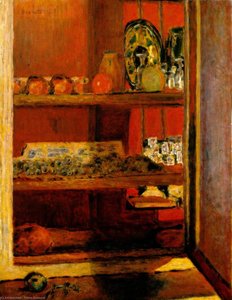
Self-Portrait

Explore Frederick Carl Frieseke's captivating 1938 'Self-Portrait.' This Impressionist oil painting reveals the artist’s contemplative nature amidst his studio, showcasing masterful technique and intimate detail.

Descubra Frederick Frieseke (1874-1939), um expoente da Impressãoista Americana, conhecido pelo 'Impressionismo decorativo', cenas encantadoras de jardins e representações elegantes de mulheres. Explore sua arte!

Reprodução em Óleo Feita à Mão

Óleo sobre tela pintado à mão no tamanho e moldura de sua escolha, feito sob encomenda pelos nossos artistas. ( Alternar para Impressão Ver Imagem Digital)

P118B $10
P118H $10
P118W $10
P438Z $10
P508JH $12
P508YH $12
P805H $10
P805Z $10
P919BZ $10
P919G $10
P919XJ $10
P959ZH $10
P968JZ $12
W106C $8
W218G $10
W218JH $8
W218Y $10
W307PJ $10
W316G $10
W316PJ $8
W316Y $10
W398PJ $8
W4111J $10
W500HY $15
W500JH $15
W692G $12
W849H $8
W940BG $15
W953PJ $8

Padrão
sob medida
CM
INCH

Escolha entre os nossos tamanhos pré-definidos que respeitam as proporções originais da obra de arte.

largura
altura

Pode inserir as suas próprias dimensões para se adequar a uma moldura ou espaço específico. Se o tamanho selecionado não corresponder às proporções da imagem original, iremos cortar a obra de arte ou estender a pintura com elementos adicionais pintados à mão. Um esboço digital será enviado para sua aprovação antes do início da produção.
Tenha em atenção que a pré-visualização no ecrã não reflete o corte ou extensão real. Apenas o esboço mostrará com precisão a composição final.
Embora tamanhos personalizados estejam disponíveis, recomendamos selecionar uma dimensão da lista predefinida para preservar as proporções originais.

Exemplos do que pode ser personalizado: Substituir o rosto pela foto do cliente; Adicionar um animal de estimação (ex: substituir gato por cão); Incluir uma mensagem oculta no fundo; Alterar a paisagem ou elementos do fundo.
Após o pedido, a equipa WahooArt.com enviará um e-mail ao cliente para solicitar instruções e fornecer uma prévia do esboço.

Entrega mundial () em 3 a 4 semanas, em vez das 5 semanas padrão. (15 Setembro). Sem comprometer a qualidade.

why_choose_icon
Envio expresso gratuito para todo o mundo
why_choose_icon
Tela de Linho Premium
why_choose_icon
Seguro de transporte total
why_choose_icon
Garantia de Reembolso de Impostos Alfandegários
why_choose_icon
Garantia de Fidelidade de Cor
why_choose_icon
Política de Devolução em 100 Dias (Apenas para Defeitos)
why_choose_icon
Garantia de reembolso de 100%
why_choose_icon
Desconto para múltiplas unidades

Preço Total

$ 272

reproduction

Self-Portrait

Técnica de Reprodução

Dimensões da Reprodução

-

Preço Total

$ 272

Detalhes Rápidos

  • Artistic style: Realism and Impressionism blend
  • Title: Self-Portrait
  • Influences: Renoir
  • Subject or theme: Artist's contemplation
  • Artist: Frederick Carl Frieseke
  • Notable elements or techniques:
    • Soft brushstrokes
    • Vivid colors

Teste de Conhecimentos Artísticos

Cada pergunta possui apenas uma resposta correta.

Questão 1:
Who is the artist of the Self-Portrait?
Questão 2:
In what year was the 'Self-Portrait' created?
Questão 3:
What artistic movement is Frederick Carl Frieseke most associated with?
Questão 4:
According to the image description, what is a prominent feature of the lighting in the artwork?
Questão 5:
What materials were used to create this artwork?

Self-Portrait by Frederick Carl Frieseke: A Glimpse into an Artist's World

The Self-Portrait by Frederick Carl Frieseke, created in 1938, is a captivating oil on canvas piece that showcases the artist's unique style and technique. As an expert in art and a salesman at https://WahooArt.com, I am delighted to delve into the intricacies of this artwork.

The Artist: Frederick Carl Frieseke – A Decorative Impressionist

Frederick Carl Frieseke (1874-1939) was a prominent American artist celebrated for his contributions to the Impressionist movement. Born in Owosso, Michigan, he spent much of his career as an expatriate in France, where he refined his artistic skills and developed a distinctive style often described as "decorative impressionism." Frieseke’s work is characterized by its luminous quality, serene landscapes, and intimate depictions of female subjects, all bathed in dappled sunlight. His early training included studies at the Art Institute of Chicago and the Académie Julian in Paris, where he was influenced by masters like Jean-Joseph Benjamin-Constant and Jean-Paul Laurens.

Analyzing the Self-Portrait: Technique and Composition

This self-portrait offers a rare glimpse into Frieseke’s personal world. The painting depicts the artist seated within his studio, surrounded by the tools of his trade – vases, bowls, and a chair—creating an atmosphere of quiet contemplation. He is shown wearing glasses and holding a brush, seemingly lost in thought as he gazes at his reflection in a mirror. Frieseke masterfully employs Impressionist techniques to capture the scene's essence. Soft brushstrokes and vivid colors create a sense of depth and dimensionality, while the muted backdrop enhances the overall feeling of calm. The artist’s attention to detail is evident in the intricate rendering of the objects and the subtle play of light and shadow, particularly noticeable on the surfaces of the paintings visible in the background.

Symbolism and Emotional Impact

Beyond a mere likeness, this self-portrait delves into themes of introspection and artistic creation. The studio setting symbolizes Frieseke’s dedication to his craft, while the objects surrounding him represent the inspiration and materials that fuel his creativity. The mirror serves as a symbolic portal, reflecting not only the artist's physical appearance but also his inner thoughts and emotions. The muted color palette contributes to a contemplative mood, inviting viewers to share in Frieseke’s moment of quiet solitude and focused concentration. It is an intimate portrayal of an artist at work, revealing a sense of humility and dedication.

Own a Piece of Art History: Handmade Reproductions

Handmade oil painting reproductions of the Self-Portrait are available at https://WahooArt.com, allowing art enthusiasts to own a piece of history. These meticulously crafted reproductions capture the original artwork's beauty and significance, bringing Frieseke’s vision into your home or office. For more information on Frederick Carl Frieseke and his works, visit /art/list/?Filter=frederick+carl+frieseke,frederick,carl,frieseke&. The Mead Art Museum, located in Amherst, Massachusetts, is also a great resource for learning about American art and artists like Frederick Carl Frieseke.


Biografia do Artista

A Life Bathed in Sunlight: The Artistic Journey of Frederick Carl Frieseke

Born in the small Michigan town of Owosso on April 7, 1874, Frederick Carl Frieseke embarked on a path that would lead him to become a pivotal figure in American Impressionism. His early life, marked by a move to Florida following his mother’s passing and nurtured by an artistically inclined aunt, instilled within him a sensitivity to light and form that would define his oeuvre. Though initially involved in his family's brick manufacturing business, Frieseke’s true calling resonated with the artistic spirit of the age. A formative visit to the 1893 World’s Columbian Exposition ignited a passion that propelled him towards formal training at the Art Institute of Chicago and, crucially, a relocation to Paris in 1898 – a decision that irrevocably shaped his artistic destiny. It was in France that Frieseke truly found his voice, immersing himself in the vibrant art scene and absorbing the influences that would blossom into his signature style.

The Allure of Giverny and the Development of “Decorative Impressionism”

Paris proved to be more than just a place of study; it became Frieseke’s adopted home, a sanctuary where he could refine his technique and explore his artistic vision. Early influences included James Abbott McNeill Whistler, whose tonal harmonies left an indelible mark on Frieseke's work – particularly in the way he manipulated light and shadow to create mood and atmosphere. However, it was the allure of Giverny – Claude Monet’s idyllic haven – that truly unlocked his potential. In 1906, Frieseke rented a house adjacent to Monet’s, becoming part of a thriving artistic community and immersing himself in the very essence of Impressionism. This proximity fostered a unique style often described as “decorative impressionism.” Unlike the more spontaneous brushwork of some Impressionists, Frieseke's paintings exhibit a refined elegance, characterized by luminous colors, dappled sunlight filtering through foliage, and an emphasis on graceful female figures. He wasn’t merely capturing a fleeting moment; he was crafting scenes of serene beauty, imbued with a sense of intimate tranquility. His work began to showcase sensual, rounded forms reminiscent of Pierre-Auguste Renoir, blended with the bolder color palettes inspired by Post-Impressionists like Paul Gauguin and Pierre Bonnard. Frieseke’s compositions often featured carefully arranged elements – parasols, patterned fabrics, and floral arrangements – creating a sense of visual harmony and deliberate design.

Themes and Techniques: Capturing Light and Femininity

Frieseke’s artistic focus consistently revolved around two central themes: the captivating effects of light and the portrayal of women. He was fascinated by how sunlight transformed ordinary scenes into moments of ethereal beauty, and he masterfully captured this interplay in his paintings. His female subjects, often depicted in gardens or interiors, are not merely portraits but embodiments of grace, sensuality, and quiet contemplation. Hélène, painted in 1901, exemplifies this approach – a stunning portrait showcasing Impressionistic beauty and intimate detail. Similarly, works like The Garden at Giverny demonstrate his ability to blend Impressionist techniques with Post-Impressionist color sensibilities. Frieseke’s technique involved layering delicate brushstrokes to create a shimmering effect, evoking the sensation of sunlight dancing on skin and foliage. He often incorporated geometric elements – parasols, patterned fabrics – to provide contrast and enhance the visual harmony of his compositions. His dedication to capturing these nuances earned him recognition; Before the Glass (1904) was purchased by the French Government and displayed at the Luxembourg Gallery, a testament to his growing reputation.

Notable Works

  • Portrait of a Girl (also known as Pensive Model): A stunning blend of realism and beauty capturing quiet contemplation.
  • Hélène: Showcasing Impressionistic beauty and intimate detail, painted in 1901.
  • Self-Portrait: Reveals the artist’s contemplative nature amidst his studio, showcasing masterful technique.
  • The Garden at Giverny: A prime example of his blend of Impressionist and Post-Impressionist styles.
  • Woman in a Garden: A quintessential representation of his decorative impressionism.
  • Before the Glass (1904): Purchased by the French Government, displayed at the Luxembourg Gallery.
  • Torn Lingerie (1920): Awarded two gold medals and the popular prize at the Chicago Art Institute.

Recognition and Legacy: A Lasting Impression on American Art

Throughout his career, Frieseke garnered numerous accolades – a silver medal at the St. Louis Exposition in 1904; the Gold Medal at the International Art Exposition in Munich that same year; and the Grand Prize at the Panama-Pacific International Exposition in San Francisco in 1915. His painting Torn Lingerie (1920) achieved particular acclaim, winning two gold medals and the popular prize at the Chicago Art Institute. Despite his success, Frieseke remained a committed expatriate, preferring the artistic freedom he found in France. He passed away on August 24, 1939, leaving behind a legacy of luminous paintings that continue to captivate audiences today. His contribution to American Impressionism is significant not only for his technical skill but also for his ability to create scenes of enduring beauty and tranquility. Frieseke’s work serves as a reminder of the power of art to transport us to idyllic realms, bathed in sunlight and filled with grace.

Frederick Carl Frieseke

Frederick Carl Frieseke

1874 - 1939 , Estados Unidos da América

Informações Rápidas

  • Artistic Movement Or Style: Impressionismo Americano
  • Artists Or Movements Influenced By This Artist:
    • Impressionismo
    • Pós-impressionismo
  • Artists Who Influenced This Artist:
    • Renoir
    • Whistler
    • Gauguin
  • Date Of Birth: 7 de abril de 1874
  • Date Of Death: 24 de agosto de 1939
  • Full Name: Frederick Carl Frieseke
  • Nationality: Americano
  • Notable Artworks:
    • A Jardim em Giverny
    • Mulher em um jardim
    • Antes do vidro
  • Place Of Birth: Owosso, EUA
Explore obras de arte organizadas por temas, estilos e características.