Visualizar em escala Visualizar em RA Alternar para Impressão Encomendar reprodução pintada à mão Enviar
Ver detalhes Guia Adicionar aos favoritos Baixar imagem Semelhantes Raio X Apresentação de slides Estatísticas

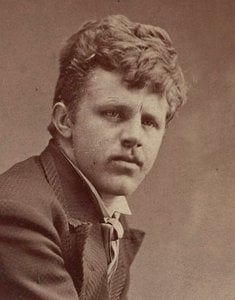
Leslie Pease Barnum

Discover Frank Duveneck's 'Leslie Pease Barnum' (1876), a captivating black & white portrait showcasing the artist’s mastery of oil on canvas. Explore its composition, texture, and evocative details of 19th-century realism.

Descubra Frank Duveneck (1848-1919), pintor realista americano influenciado por Frans Hals e a Escola de Munique. Explore sua vida, obra marcante e legado artístico!

Adquira uma imagem digital de alta resolução e aprimorada, muito superior à prévia online.

Cada arquivo é meticulosamente preparado por nossos especialistas internos, utilizando ferramentas avançadas e retoques manuais de alta precisão. Garantimos que cada imagem apresente clareza excepcional, fidelidade de cores e detalhes minuciosos.

O arquivo final é entregue por e-mail em até 72 horas, otimizado para uso imediato em ambientes profissionais, editoriais e de impressão. Esta é a mesma qualidade utilizada por estúdios de design de alto nível, editoras e galerias.

Imagem Digital

Baixe um arquivo de alta resolução para exibição pessoal, impressão e projetos criativos. ( Alternar para Impressão Encomendar reprodução pintada à mão)

Preço Total

$ 24,90

Incluído em cada pedido de imagem digital

Entrega Digital Especializada e Garantida

Ao escolher o WahooArt.com, você não está apenas adquirindo uma imagem — você está recebendo uma obra de arte digital profissionalmente aprimorada, elaborada com precisão e com garantia de satisfação. Aqui está tudo o que acompanha seu pedido, automaticamente:

shipping_icon
Entrega rápida por e-mail

O seu arquivo de imagem digital em alta resolução será enviado por e-mail em até 72 horas após o pedido — pronto para uso imediato.

canvas_icon
Arquivo Digital com IA Otimizado

Sua obra de arte é otimizada profissionalmente por meio de ferramentas avançadas de IA e edição manual, garantindo o máximo de detalhes, clareza e precisão de cores.

insurance_icon
Reenvio gratuito vitalício

Apagou ou perdeu o seu ficheiro acidentalmente? Não se preocupe – nós reenviamos para si a qualquer momento, gratuitamente.

tax_icon
Sem Taxas de Importação - Sempre

Desfrute da sua obra de arte instantaneamente, sem taxas alfandegárias, impostos ou custos de entrega — downloads digitais são sempre isentos de taxas.

color_icon
Garantia de Precisão de Cores

Garantimos que sua imagem digital reflita as cores originais com a maior fidelidade possível, utilizando ferramentas profissionais e gerenciamento de cores.

return_icon
Garantia de satisfação de 100 dias

Se não estiver satisfeito com a sua imagem digital, nós a revisaremos ou reembolsaremos 100% dentro de 100 dias — sem perguntas.

guarantee_icon
Garantia de Reembolso 100%

Não está satisfeito? Receba o reembolso total em até 100 dias após o recebimento do seu arquivo digital — sem perguntas.

discount_icon
Descontos para pedidos em lote

Compre 3 imagens, economize 10% - Compre 5, economize 15% - Compre 10+, economize 20%. Ideal para projetos criativos, galerias e agências.

Detalhes Rápidos

  • Artistic style: 19th-century realism
  • Title: Leslie Pease Barnum
  • Subject or theme: Formal portrait
  • Artist: Frank Duveneck
  • Notable elements: Detailed portraiture
  • Year: 1876

Teste de Conhecimentos Artísticos

Cada pergunta possui apenas uma resposta correta.

Questão 1:
What is the primary artistic style of Frank Duveneck’s ‘Leslie Pease Barnum’?
Questão 2:
According to the image description, what is the dominant color palette used in ‘Leslie Pease Barnum’?
Questão 3:
What historical period does the painting’s style and attire suggest?
Questão 4:
What technique is most evident in the rendering of hair and facial features, as described in the image analysis?
Questão 5:
The painting’s composition features a subject who is directed ‘slightly off to the side,’ what does this suggest about his demeanor?

A Glimpse into the Soul – Frank Duveneck’s Leslie Pease Barnum

Frank Duveneck's 1876 portrait, *Leslie Pease Barnum*, is more than just a likeness; it’s a carefully constructed window into the sensibilities of late 19th-century America. Housed within the National Gallery of Art in Washington D.C., this oil on canvas painting immediately draws the viewer in with its quiet intensity and masterful use of tonal contrast. Duveneck, a remarkably prolific artist whose life was profoundly shaped by early tragedy – the loss of his father at a young age – channeled his experiences into works imbued with a subtle melancholy and an unwavering attention to detail. The painting’s power lies not just in its technical execution but also in the evocative atmosphere it creates, hinting at a man of considerable standing yet burdened by unspoken thoughts.

The Language of Form: Technique and Composition

Duveneck's technique is immediately recognizable – a deliberate layering of oil paint that builds up both texture and depth. Loose brushstrokes, particularly evident in the rendering of the subject’s beard and mustache, contribute to a remarkably tactile quality, as if one could almost feel the weight of his garments and the warmth of his skin. The composition itself is strikingly simple yet profoundly effective. Centered around the man's face, which dominates the frame, the gaze directed slightly off-center creates an immediate sense of intimacy and invites the viewer to share in his contemplative mood. There’s a deliberate absence of extraneous detail; the focus remains entirely on the subject, amplifying his presence and drawing our attention to the nuances of his expression.

A Study in Gray: Color, Light, and Symbolism

The painting's monochromatic palette – a symphony of grays and blacks – is far from limiting. Instead, it serves to heighten the drama and emphasize the subtle shifts in tone that define the portrait’s form. The lighting, originating from an unseen source above and slightly to the left, casts delicate shadows that sculpt the man’s features, accentuating his nose and cheekbones while simultaneously suggesting a hint of sadness. This interplay of light and shadow isn't merely decorative; it subtly communicates a sense of introspection and perhaps even quiet regret. The formal attire – the tie, the collar – speaks volumes about social standing and adherence to Victorian conventions, hinting at a man accustomed to privilege and responsibility.

Echoes of the Old Masters: Style and Historical Context

*Leslie Pease Barnum* firmly places itself within the tradition of 19th-century portraiture, drawing inspiration from the techniques and sensibilities of the Old Masters. The realism in capturing the subject’s likeness, combined with Duveneck's meticulous attention to detail, demonstrates a deep understanding of anatomy and form. Yet, there’s also an undeniable sense of modernity – a willingness to explore psychological depth and convey emotion through subtle gestures and expressions. Considering Duveneck’s life experiences—the early loss and subsequent artistic drive—it’s not surprising that his work often carries a poignant undercurrent. The painting offers a valuable glimpse into the social fabric of the era, reflecting both the outward appearance of respectability and the potential for hidden complexities beneath the surface.

Bringing the Masterpiece Home: Reproductions and Legacy

WahooArt.com is proud to offer meticulously crafted reproductions of *Leslie Pease Barnum*, ensuring that this remarkable work of art can be enjoyed in your own home or office. Utilizing the same techniques and materials as the original, our hand-painted reproductions capture every nuance of Duveneck’s artistry – from the subtle tonal variations to the textured brushstrokes. Whether you're an art enthusiast, a collector seeking to expand your collection, or simply someone looking for a striking piece of decorative art, this reproduction offers a beautiful and authentic representation of a true masterpiece. Explore other exceptional works by Frank Duveneck and explore the rich history of portraiture on our website.


Biografia do Artista

A Life Forged in Tragedy and Realism

Frank Duveneck, born Frank Decker in 1848 amidst the bustling river town of Covington, Kentucky, was an artist whose life story is as compelling as the powerfully rendered canvases he created. His early years were profoundly shaped by loss; the untimely death of his father to cholera when he was barely a year old indelibly altered his trajectory. This formative tragedy, coupled with his mother’s subsequent marriage to Joseph “Squire” Duveneck – from whom he adopted his enduring name – instilled within him a remarkable resilience and perhaps, an enhanced sensitivity that would later manifest in the emotional depth of his art. The blending of German heritage through his stepfather and the distinctly American landscape of his upbringing formed a unique cultural foundation for the artist, contributing to a complex and layered artistic vision. Even as a young boy, a natural aptitude for drawing blossomed, leading to studies under local painter Johann Schmitt and an apprenticeship with a firm specializing in church decoration—a crucial period where he honed technical skills and absorbed the narrative power of visual imagery, learning how art could evoke profound emotion and tell compelling stories – lessons that would resonate throughout his career.

The Munich Crucible: Embracing Dark Realism

In 1869, Duveneck embarked on a transformative journey to Munich, Germany, seeking advanced artistic training at the Royal Academy. This move proved pivotal, exposing him to an entirely different aesthetic landscape. The prevailing artistic climate in Munich was characterized by a stark realism—a deliberate rejection of academic idealism in favor of direct observation and unflinching honesty. It resonated deeply with Duveneck, who embraced a darker palette and a more vigorous, expressive brushstroke. He became captivated by the work of 17th-century Dutch masters like Frans Hals, whose lively portraits and masterful handling of light profoundly influenced his style. Hals’s ability to capture fleeting moments of life, imbued with both joy and melancholy, served as a powerful model for Duveneck's own artistic approach. This influence is strikingly evident in paintings such as *Lady with Fan* (1873), where slashing brushwork and a somber tonality echo Hals’s spirit while simultaneously establishing Duveneck’s own distinctive voice – a willingness to confront the complexities of human experience with unflinching honesty. The atmosphere of Munich, steeped in artistic debate and experimentation, provided fertile ground for Duveneck's creative development. He spent years immersed in the studio, absorbing techniques and developing his unique style, laying the groundwork for his future success.

A Mentor’s Influence: The “Duveneck Boys” and Beyond

By 1878, Duveneck had established himself as a significant figure in the art world, not only as a painter but also as an influential educator. He opened his own school in Munich, attracting a cohort of ambitious American artists who became known collectively as the “Duveneck Boys.” Among them were John Twachtman, Otto Bacher, Julius Rolshoven, and John White Alexander—artists who would themselves become prominent figures in American Impressionism and Realism. Duveneck’s teaching philosophy emphasized direct observation, bold brushwork, and a rejection of conventional academic constraints. He encouraged his students to forge their own artistic paths while grounding them in the principles of sound draftsmanship and expressive color. His influence extended back to America when he accepted a position at the Art Academy of Cincinnati, where he mentored another generation of artists including Ida Holterhoff Holloway, John Christen Johansen, and Russel Wright. He fostered a spirit of innovation and independence that helped shape the course of American art, leaving an indelible mark on those who studied under his guidance – students who carried forward his commitment to realism and emotional expression.

Evolving Visions and Lasting Legacy

Duveneck’s artistic journey continued to evolve after his return to America. While he remained committed to realism, his palette began to lighten, influenced by the burgeoning Impressionist movement and his frequent travels to Italy and France. He explored landscape painting with increasing frequency, capturing the sun-drenched scenes of Venice and the rugged beauty of coastal Massachusetts. Despite these stylistic shifts, his work always retained a distinctive character—a blend of technical mastery, psychological depth, and emotional resonance. The personal tragedy of losing his wife, Elizabeth Boott Duveneck, in 1888 cast a long shadow over his later years, perhaps contributing to the introspective quality of some of his subsequent works. His paintings from this period often convey a sense of quiet melancholy and profound reflection. Frank Duveneck passed away in Covington, Kentucky, in 1919, leaving behind a rich artistic legacy that continues to inspire artists today. His paintings are now held in prestigious collections such as the Metropolitan Museum of Art in New York City, the National Gallery of Art in Washington, D.C., and the Cincinnati Art Museum—testaments to his enduring contribution to American art. He remains a pivotal figure in the transition from academic tradition to modern realism, an artist who dared to challenge conventions and forge his own path with unwavering conviction.

A Lasting Impact

Duveneck’s legacy extends far beyond his individual paintings; it resides in the spirit of artistic independence he instilled in his students and the enduring power of his vision. His pioneering commitment to portraying life as it was, without idealization, paved the way for future generations of American realist painters. He fostered a vibrant community of artists who embraced direct observation and emotional honesty. The “Duveneck Boys” became renowned for their distinctive style, carrying forward his influence into the 20th century. His technical mastery—his skillful handling of brushwork, color, and composition—continues to inspire artists today. And finally, his ability to capture the inner lives of his subjects – their joys, sorrows, and complexities – adds a layer of psychological depth and emotional resonance to his work that resonates deeply with viewers. Frank Duveneck stands as a testament to the transformative potential of art, born from personal tragedy and fueled by an unwavering commitment to truth and beauty.

Frank Duveneck

Frank Duveneck

1848 - 1919 , Estados Unidos da América

Informações Rápidas

  • Artistic Movement Or Style: Realismo
  • Artists Or Movements Influenced By This Artist: ['Impressionismo']
  • Artists Who Influenced This Artist: ['Frans Hals']
  • Date Of Birth: 9 out 1848
  • Date Of Death: 3 jan 1919
  • Full Name: Frank Duveneck
  • Nationality: Americano
  • Notable Artworks:
    • Lady with Fan
    • Whistling Boy
  • Place Of Birth: Covington, EUA