x
Visualizar na paredeVisualizar na parede Ver em RAVer em RA Comprar impressão Comprar impressãoComprar imagem Comprar imagem CompartilharCompartilhar
DetalhesDetalhes Adicionar aos favoritos Adicionar aos favoritos Baixar imagemBaixar imagem SemelhantesSemelhantes Raio XRaio X SlideshowSlideshow

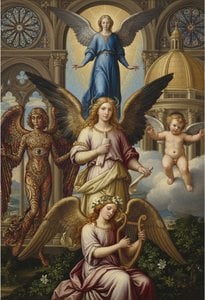
the immaculate conception

Experience the profound spirituality of Francisco de Zurbarán's 'The Immaculate Conception.' Witness Mary’s purity & divine presence through dramatic lighting and angelic figures – a Baroque masterpiece.

Francisco de Zurbarán (1598-1664): mestre barroco espanhol, famoso pelo tenebrismo e pinturas religiosas impactantes! Explore a arte do "Caravaggio" da Espanha.

Reprodução em Óleo Feita à Mão

Óleo sobre tela pintado à mão no tamanho e moldura de sua escolha, feito sob encomenda pelos nossos artistas. (Comprar impressão Comprar impressãoComprar imagem Comprar imagem)

P118B $10
P118H $10
P118W $10
P438Z $10
P508JH $12
P508YH $12
P805H $10
P805Z $10
P919BZ $10
P919G $10
P919XJ $10
P959ZH $10
P968JZ $12
W106C $8
W218G $10
W218JH $8
W218Y $10
W307PJ $10
W316G $10
W316PJ $8
W316Y $10
W398PJ $8
W4111J $10
W500HY $15
W500JH $15
W692G $12
W849H $8
W940BG $15
W953PJ $8

Tamanho padrão
personalizado
CM
INCH

Escolha entre os nossos tamanhos pré-definidos que respeitam as proporções originais da obra de arte.

largura
altura

Pode inserir as suas próprias dimensões para se adequar a uma moldura ou espaço específico. Se o tamanho selecionado não corresponder às proporções da imagem original, iremos cortar a obra de arte ou estender a pintura com elementos adicionais pintados à mão. Um esboço digital será enviado para sua aprovação antes do início da produção.
Tenha em atenção que a pré-visualização no ecrã não reflete o corte ou extensão real. Apenas o esboço mostrará com precisão a composição final.
Embora tamanhos personalizados estejam disponíveis, recomendamos selecionar uma dimensão da lista predefinida para preservar as proporções originais.

Exemplos do que pode ser personalizado: Substituir o rosto pela foto do cliente; Adicionar um animal de estimação (ex: substituir gato por cão); Incluir uma mensagem oculta no fundo; Alterar a paisagem ou elementos do fundo.
Após o pedido, a equipa WahooArt.com enviará um e-mail ao cliente para solicitar instruções e fornecer uma prévia do esboço.

Entrega mundial () em 3 a 4 semanas, em vez das 5 semanas padrão. (29 Agosto). Sem comprometer a qualidade.

why_choose_icon
Envio expresso gratuito para todo o mundo
why_choose_icon
Tela de Linho de Alta Qualidade
why_choose_icon
Seguro de transporte completo
why_choose_icon
Garantia de Reembolso de Impostos Alfandegários
why_choose_icon
Garantia de Fidelidade Cromática
why_choose_icon
Política de Devolução em 60 Dias (Apenas para Defeitos)
why_choose_icon
Garantia de reembolso de 100%
why_choose_icon
Oferta de desconto por quantidade

Preço Total

$ 272

reproduction

the immaculate conception

Técnica de Reprodução

Tamanho da Reprodução

-

Preço Total

$ 272

Informações Rápidas

  • Medium: Oil on canvas
  • Title: The Immaculate Conception
  • Artistic style: Religious, Spanish
  • Notable elements or techniques: Dramatic lighting, tenebrism
  • Location: National Gallery of Scotland
  • Subject or theme: Virgin Mary, Jesus
  • Artist: Francisco de Zurbarán

A Divine Encounter: The Profound Spirituality of Zurbarán’s ‘The Immaculate Conception’

Francisco de Zurbarán's “The Immaculate Conception,” a work often considered among the most arresting examples of Spanish Baroque art, isn’t merely a depiction of a biblical scene; it’s an immersive experience in piety and light. Painted around 1640, this monumental canvas transcends simple representation to become a powerful meditation on grace, purity, and divine presence. Zurbarán, deeply rooted in the austere religious traditions of Extremadura – a region known for its monastic orders and contemplative atmosphere – channeled that spirit into every brushstroke, creating an image that continues to resonate with viewers centuries later.

The composition immediately draws the eye towards Mary, presented not as a regal queen but as a humble, almost ethereal figure. She is bathed in a dramatic chiaroscuro—a stark contrast between intense light and deep shadow—that was a hallmark of Zurbarán’s style, heavily influenced by Caravaggio. This technique isn't simply for visual drama; it serves to heighten the sense of sacredness, isolating Mary within a pool of divine illumination. Her arms are outstretched in a gesture of profound reverence, cradling the infant Jesus with an expression of serene tenderness. The folds of her blue veil, rendered with meticulous detail, seem to ripple and flow as if imbued with a life of their own – a subtle testament to the miraculous nature of her conception.

The Angels: Guardians of Grace and Divine Intervention

Adding layers of symbolic depth are the two angels flanking Mary. One, positioned above her head, extends his hand in benediction, while the other is situated beneath her feet, seemingly offering support and protection. These figures aren’t merely decorative; they represent divine intervention and the safeguarding of Mary's purity. Their presence reinforces the idea that this event—the conception of Jesus—is not simply a human miracle but a direct act of God’s grace. The angels are painted with an almost sculptural quality, their forms rendered with remarkable precision and solidity – a deliberate contrast to the ethereal beauty of Mary and her child.

A Masterclass in Baroque Technique and Religious Symbolism

Zurbarán's mastery lies not only in his dramatic use of light and shadow but also in his incredibly detailed rendering of textures. Observe the delicate folds of Mary’s veil, the smooth contours of the infant Jesus, and even the subtle sheen on his skin. He achieved this level of realism through a painstaking process of layering thin glazes of paint—a technique known as ‘velatura’—allowing each layer to dry completely before adding the next. This meticulous approach is evident in every element of the painting, creating an image that feels both intensely immediate and profoundly timeless.

The symbolism within “The Immaculate Conception” is rich and layered. The crescent moon behind Mary represents her virginity—a concept central to the doctrine of the Immaculate Conception itself. Furthermore, the muted background, devoid of any earthly detail, emphasizes Mary’s separation from the material world and her elevation to a realm of divine grace. It's a scene that speaks not just to religious belief but also to fundamental human questions about purity, faith, and the nature of miracles.

A Legacy of Spiritual Intensity

“The Immaculate Conception” is more than just a beautiful painting; it’s a profound statement on faith and devotion. Born in 1598, Zurbarán spent his entire career exploring themes of religious austerity and spiritual intensity – qualities deeply rooted in the landscape and culture of Extremadura. His work, often compared to that of Caravaggio for its dramatic use of light, nevertheless possesses a uniquely Spanish sensibility—a quiet solemnity and an unwavering focus on the sacred. Reproductions of this masterpiece offer a remarkable opportunity to experience the power and beauty of Zurbarán’s vision, bringing a touch of timeless spirituality into any space.


Biografia do Artista

Early Life and Formation in Extremadura

Francisco de Zurbarán, born in Fuente de Cantos, Extremadura, Spain, in 1598, emerged from a region steeped in religious fervor and rural austerity—qualities that would profoundly shape his artistic vision. Though details of his earliest training remain somewhat elusive, we know he initially apprenticed with the local painter Alejandro de la Mina before moving to Seville to study under Alonso de Najera. It was within Najera’s workshop that Zurbarán began to absorb the burgeoning Baroque style, a dramatic departure from the more restrained artistic traditions of previous generations. Even in these formative years, a remarkable talent for capturing realistic detail and imbuing his subjects with emotional weight became apparent, hinting at the distinctive path he would forge as an artist. The stark landscapes and devout atmosphere of Extremadura instilled within him a sensibility that favored simplicity, solemnity, and a deep engagement with spiritual themes—characteristics that would define his mature work. His early exposure to the religious life of his region, coupled with the influence of Seville’s artistic environment, laid the foundation for his future success as a painter of religious subjects.

The Seville Period: Establishing a Singular Style

By 1614, Zurbarán had established himself in Seville, a vibrant cultural hub and the gateway to Spain’s vast American colonies. He quickly rose to prominence, establishing a successful workshop and attracting numerous commissions, primarily for religious paintings intended for churches, monasteries, and private devotional use. This period witnessed the full flowering of his signature style—a compelling blend of stark realism and intense spirituality. His early works already showcased a masterful command of *tenebrism*, a technique borrowed from Caravaggio that employed dramatic contrasts between light and shadow to create a sense of drama and emphasize the emotional intensity of his subjects. He wasn’t merely replicating what he saw; he was striving to reveal an inner truth, a profound spiritual presence within each figure. His paintings weren't simply representations of saints or biblical scenes; they were invitations to contemplation, designed to evoke a visceral response in the viewer. The influence of earlier Spanish masters like Juan Sánchez Cotán, known for his austere still lifes and precise realism, is also evident in Zurbarán’s early work, as well as the sculptural traditions prevalent in Seville at the time.

Master of Tenebrism and Religious Devotion

Zurbarán's artistic prowess lay in his ability to transform religious narratives into powerfully moving visual experiences. He became renowned for his depictions of monks, nuns, martyrs, and saints—figures often portrayed in moments of profound contemplation or suffering. His *Immaculate Conception* (c. 1635), housed in the Museo de Bellas Artes in Bilbao, exemplifies this mastery; the Virgin Mary is depicted with a serene dignity, bathed in ethereal light against a dark background, conveying both purity and divine grace. Similarly, his *Agnus Dei* (c. 1640), now part of the Metropolitan Museum of Art collection, presents a poignant image of Christ as the sacrificial lamb, radiating an aura of solemnity and sacrifice. The *Sudarium of St Veronica*, with its haunting depiction of the veil bearing the imprint of Christ’s face, showcases his exceptional control over tenebrism and emotional depth. He didn't shy away from portraying the physical realities of faith—the austerity of monastic life, the pain of martyrdom—but always infused these scenes with a sense of reverence and spiritual significance. His *St Francis Receiving the Stigmata* demonstrates his ability to depict profound spiritual experiences with remarkable sensitivity and realism. The series of paintings depicting Carthusian monks further exemplifies his skill in portraying austere religious life, capturing their quiet devotion and inner peace.

Royal Patronage and Lasting Legacy

Around 1630, Zurbarán achieved a significant milestone in his career when he became a court painter to Philip IV. This appointment brought him increased recognition and access to royal commissions, further solidifying his reputation as one of Spain’s leading artists. However, despite this success, his popularity waned somewhat in later years with the rise of different artistic tastes. The economic hardships facing Spain during the mid-17th century also impacted his ability to secure large-scale projects. Nevertheless, Zurbarán continued to work diligently, adapting his style and exploring new themes. His influence on Spanish Baroque art is undeniable; his dramatic use of chiaroscuro and his focus on religious themes inspired generations of artists. A circle of followers, known as the “Zurbaranistas,” emerged, continuing to push the boundaries of tenebrism and explore the expressive possibilities of light and shadow. Though he passed away in 1664, Francisco de Zurbarán left behind a rich artistic legacy that continues to be celebrated today, securing his place as one of Spain’s most important Baroque painters—a master of religious art whose works continue to resonate with viewers centuries later.
  • Notable Works: Immaculate Conception (c. 1635), Agnus Dei (c. 1640), Sudarium of St Veronica, St Francis Receiving the Stigmata, Paintings of Carthusian Monks.
  • Historical Significance: Zurbarán’s influence on Spanish Baroque is undeniable; his use of chiaroscuro and his focus on religious themes inspired generations of artists.

Francisco de Zurbarán

Francisco de Zurbarán

1598 - 1664 , Espanha

Dados Rápidos

  • Artistic Movement Or Style: Barroco, Tenebrismo
  • Artists Or Movements Influenced By This Artist: ['Caravaggio']
  • Artists Who Influenced This Artist: ['Juan Sánchez Cotán']
  • Date Of Birth: 1598
  • Date Of Death: 1664
  • Full Name: Francisco de Zurbarán
  • Nationality: Espanhol
  • Notable Artworks:
    • Immaculate Conception
    • Agnus Dei
    • St Francis Receiving Stigmata
  • Place Of Birth: Fuente de Cantos, Espanha
Explore obras de arte organizadas por temas, estilos e características.