


Óleo sobre tela pintado à mão no tamanho e moldura de sua escolha, feito sob encomenda pelos nossos artistas. ( Comprar impressão Comprar imagem)





























Escolha entre os nossos tamanhos pré-definidos que respeitam as proporções originais da obra de arte.

Pode inserir as suas próprias dimensões para se adequar a uma moldura ou espaço específico. Se o tamanho selecionado não corresponder às proporções da imagem original, iremos cortar a obra de arte ou estender a pintura com elementos adicionais pintados à mão. Um esboço digital será enviado para sua aprovação antes do início da produção.
Tenha em atenção que a pré-visualização no ecrã não reflete o corte ou extensão real. Apenas o esboço mostrará com precisão a composição final.
Embora tamanhos personalizados estejam disponíveis, recomendamos selecionar uma dimensão da lista predefinida para preservar as proporções originais.
Entrega mundial () em 3 a 4 semanas, em vez das 5 semanas padrão. (7 Setembro). Sem comprometer a qualidade.


Three Figures in a Room, left
Tamanho da Reprodução
Francis Bacon's "Three Figures," completed in 1964, stands as one of the most unsettling and iconic paintings of the mid-century period. More than just a depiction of three individuals inhabiting a room—though that alone is fraught with tension—it’s an exploration of profound psychological distress, rendered with a masterful blend of technique and symbolism that continues to resonate with audiences today.
The painting's style aligns squarely within Bacon’s signature Expressionist aesthetic. Rejecting representational accuracy in favor of conveying emotion directly onto the canvas, he employed a method known as “squeeze”—a process where paint is forced out of tubes under pressure, creating distorted and fragmented forms. This technique isn’t merely stylistic; it's fundamentally linked to Bacon’s belief that painting should capture the visceral experience of consciousness itself – the feeling of being overwhelmed by internal turmoil.
“Three Figures” transcends mere visual depiction; it’s an invitation to confront uncomfortable truths about human existence. Bacon deliberately eschewed comforting illusions, presenting instead a brutally honest portrayal of psychological suffering. The painting's enduring power lies in its ability to evoke empathy and provoke contemplation—a testament to Bacon’s genius as both artist and philosopher.
Its influence extends far beyond the art world, informing discussions about trauma, identity, and the complexities of human emotion. Collectors appreciate “Three Figures” not only for its aesthetic qualities but also for its profound intellectual depth – a reminder that art can serve as a conduit for confronting our deepest fears and vulnerabilities.
Bacon's distinctive approach to painting—the “squeeze” technique—was born out of necessity and driven by an unwavering commitment to capturing the essence of psychological experience. Rather than meticulously blending colors on a palette, he applied paint directly from tubes under considerable pressure.
This technique wasn't simply about achieving visual effect; it was fundamentally rooted in Bacon’s conceptual framework—his conviction that painting should strive to represent the feeling of being overwhelmed by internal turmoil. By rejecting conventional methods, Bacon prioritized conveying emotion above all else.
Bacon's masterful use of color contributes significantly to the painting’s unsettling atmosphere. He predominantly employed muted browns and ochres—a palette deliberately chosen to evoke feelings of darkness, decay, and repression.
The subdued hues serve as a visual embodiment of Bacon’s preoccupation with existential angst—a refusal to offer solace or reassurance. Instead, he presented viewers with an unflinching depiction of inner darkness – a courageous stance that solidified Bacon's reputation as one of the most uncompromising artists of his time.


1909 - 1992 , Irlanda

Descubra as 25 obras mais impactantes de Francis Bacon, o mestre da angústia e do expressionismo. Explore a história por trás dos retratos icônicos, cores vibrantes e emoções intensas. Encontre reproduções de arte exclusivas para transformar sua casa em WahooArt.com!
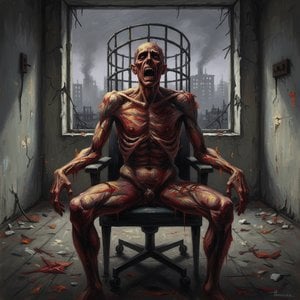
Explore the profound existential anguish of Francis Bacon's art. Discover how trauma shaped his iconic paintings & lasting influence on modern expressionism. A guide for discerning collectors.

Explore the captivating world of Francis Sartorius II (1734-1804), a leading British painter renowned for his exquisite equestrian portraits and hunting scenes. Discover his life, techniques & enduring legacy.
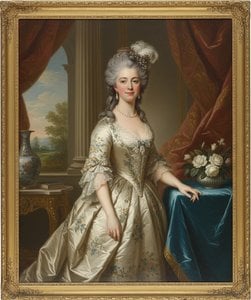
Explore the elegant world of Francis Cotes, pioneer of English pastel painting & celebrated Georgian portraitist. Discover his captivating portraits, artistic techniques, and lasting influence on 18th-century art.

Explore the rich history of formal portraiture & its enduring power to capture identity and shape perception. Discover investment-worthy artworks, expert appraisals, and custom reproduction services at WahooArt.

 Visualizar na parede
 Compartilhar
 Compartilhar
 Detalhes

 Baixar imagem
 Semelhantes
 Raio X
 Slideshow

 Ler mais







 A opção de vidro está disponível apenas para tamanhos inferiores a 110 cm


