Uma Vida Imersa no Visceral
Francis Bacon, um nome sinônimo da mais crua emotividade na arte do século XX, nasceu em Dublin, Irlanda, em 1909. No entanto, seu espírito artístico encontrou sua expressão mais verdadeira na paisagem turbulenta da Grã-Bretanha pós-guerra. Sua infância foi longe de estável; mudanças frequentes devido à saúde precária de sua mãe instilaram um senso de deslocamento que moldaria profundamente sua visão de mundo e, em última análise, permeá-lo-ia nas telas. Um relacionamento complexo com seu pai severo e uma forte ligação com sua governanta, Jessie Lightfoot, coloriram ainda mais o terreno emocional de seus anos formativos. Inicialmente atraído por corridas de cavalos e uma vida de jogos de azar, Bacon vagou por várias ocupações antes de finalmente se dedicar à pintura no final dos vinte anos – um começo tardio que talvez intensificasse a urgência e intensidade de seu trabalho posterior. Ele não teve treinamento formal, mas forjou seu próprio caminho, absorvendo influências diversas e desenvolvendo uma linguagem visual singularmente inquietante.
O Crisol das Primeiras Influências
O despertar artístico de Bacon não foi imediato, mas sim uma acumulação gradual de impressões. As obras de Pablo Picasso, particularmente as figuras distorcidas de seu período cubista inicial, foram cruciais para libertá-lo da representação tradicional. Encontrou ainda inspiração na fotografia assombrosa de Egon Schiele, cujas distorções expressivas da forma humana ressoaram com a crescente fascinação de Bacon pela fragilidade e vulnerabilidade da existência. No entanto, foi um encontro casual com o filme *Batalha de Potemkin* de Sergei Eisenstein que forneceu um catalisador crucial. A imagem visceral do filme, particularmente um close-up de um rosto gritando, tornou-se um motivo duradouro na obra de Bacon, representando terror primordial e as profundezas do sofrimento humano. Ele também admirava profundamente os Velhos Mestres, notavelmente Diego Velázquez, cujo *Retrato de Inocêncio X* ele reinterpretaria famosa ao longo de sua carreira, transformando a figura papal autoritária em um espectro atormentado. Essas influências não foram meras apropriações estilísticas; elas foram absorvidas e transmutadas através da sensibilidade única de Bacon, resultando em uma visão artística que era profundamente pessoal e universalmente ressonante.
Forjando um Estilo Marcante: Distorção e Isolamento
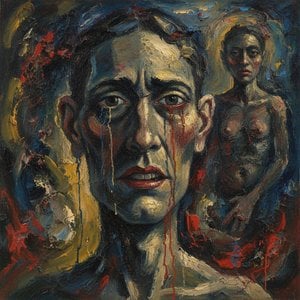
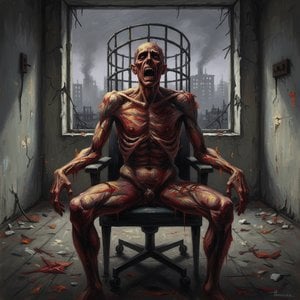
O avanço de Bacon chegou com *Três Estudos para Figuras na Base de uma Crucificação* (1944), uma obra que chocou e cativou o público em Londres no pós-guerra. Este tríptico estabeleceu seu estilo característico – figuras distorcidas, fragmentadas isoladas em espaços claustrofóbicos. Não eram representações de martírio religioso, mas explorações viscerais da angústia humana, despojadas de qualquer narrativa reconfortante ou consolo espiritual. Suas pinturas apresentam frequentemente formas borradas ou dissolvidas, transmitindo uma sensação de turbulência psicológica e vulnerabilidade física. Ele empregava com frequência estruturas geométricas – gaiolas, caixas – para confinar seus sujeitos, enfatizando seu isolamento e impotência. A paleta de Bacon era tipicamente discreta e sombria, refletindo os temas obscuros que explorava, embora pontuada por explosões de cor intensa que intensificavam o impacto emocional. O uso dessas gaiolas não era meramente um dispositivo composicional; simbolizava as limitações inerentes e restrições impostas à existência humana. Ele procurou capturar não apenas *como* as coisas pareciam, mas *como se sentiam*, traduzindo estados internos de ansiedade, medo e desespero para a tela com brutal honestidade.
Temas da Mortalidade, Angústia e da Condição Humana
Ao longo de sua prolífica carreira, Bacon retornou repetidamente a certos motivos: a crucificação como símbolo do sofrimento; retratos que investigaram a intensidade psicológica de seus sujeitos, frequentemente amigos e amantes como George Dyer; e autorretratos que serviram como explorações introspectivas da identidade e mortalidade. Sua série *Estudo Após o Retrato de Inocêncio X de Velázquez* (1953) é talvez uma de suas maiores conquistas, transformando o retrato digno de Velázquez em uma aparição gritante, incorporando o medo existencial. Os retratos de George Dyer, seu amante volátil, são particularmente pungentes, capturando tanto a intensidade de sua conexão quanto a sombra iminente da tragédia. A obra de Bacon não era sobre retratar indivíduos específicos; era sobre explorar temas universais de vulnerabilidade humana, isolamento e inevitabilidade da morte. Ele não evitou os aspectos mais sombrios da existência, mas os confrontou diretamente, forçando os espectadores a confrontar sua própria mortalidade e ansiedades.
Um Legado Duradouro: Desafiando Convenções
O impacto de Francis Bacon na arte do século XX é inegável. Ele desafiou as noções tradicionais de representação, rejeitando a beleza idealizada em favor de um retrato cru e implacável da condição humana. Seu trabalho influenciou profundamente gerações de artistas, abrindo caminho para novas formas de expressão e desafiando os limites artísticos convencionais.
- Expressionismo Pós-Guerra: Bacon é considerado uma figura chave neste movimento, influenciando artistas com seu estilo ousado e profundidade psicológica.
- Recordes de Leilão & Exposições em Museus: Suas pinturas continuam a comandar altos preços em leilões e são exibidas em grandes museus em todo o mundo, solidificando seu lugar na história da arte.
- Confrontando Verdades: O legado de Bacon reside em sua capacidade de confrontar verdades desconfortáveis sobre a existência humana e traduzir essas experiências em imagens poderosas e inesquecíveis.
Apesar de uma vida pessoal turbulenta marcada por jogos de azar, bebida e relacionamentos complexos, ele permaneceu dedicado à sua arte até sua morte em 1992. Ele deixou para trás um corpo de trabalho que continua a ressoar com o público hoje, lembrando-nos da fragilidade da existência e do poder duradouro da arte para confrontar os cantos mais escuros da alma humana.
Suas pinturas não são meramente imagens; são experiências viscerais – um testemunho do poder duradouro da arte para provocar, perturbar e, em última análise, iluminar as complexidades de ser humano.



 Visualizar em escala
 Alternar para Impressão
 Enviar
 Compartilhar
 Ver detalhes
 Guia
Guia

 Baixar imagem
 Semelhantes
 Raio X
 Apresentação de slides
 Estatísticas
 Ver mais






































 A opção de vidro está disponível apenas para tamanhos inferiores a 110 cm