Impressão giclée ou em tela de qualidade de museu, com produção rápida e opções flexíveis de acabamento. ( Comprar pintura feita à mão Alternar para Imagem Digital)





























Escolha entre os nossos tamanhos pré-definidos que respeitam as proporções originais da obra de arte.

Insira a largura e a altura desejadas para se ajustarem à sua moldura ou parede. Uma impressão pode ser apenas cortada, nunca ampliada além da imagem original; portanto, um tamanho com proporções diferentes resultará na perda de parte da imagem. Enviamos uma maquete digital para sua aprovação antes de realizarmos a impressão. A imagem exibida nesta página não mostra o corte real — apenas a maquete o faz.
Entrega mundial () em 2 semanas, em vez das 4/5 semanas padrão. (11 Novembro)
untitled (5728)
Tamanho da Reprodução
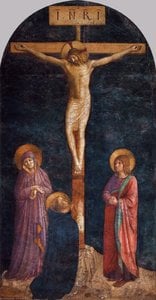
The painting before us, tentatively titled “untitled (5728)” by Fra Angelico, is a deeply moving depiction of the Nativity – a scene rendered with the serene grace and spiritual intensity that define this master of the Early Renaissance. While details regarding its precise origins remain elusive, the artwork’s power lies in its ability to transport the viewer to that pivotal moment of divine arrival, inviting contemplation on faith, hope, and the profound mystery of incarnation. The composition centers around the infant Jesus, cradled within a humble manger, his presence radiating a quiet luminosity amidst a gathering of figures who express reverence through gesture and posture. Kneeling worshippers and standing observers alike converge upon this sacred scene, their faces reflecting awe and devotion. A subtle inclusion – an animal, likely a horse, positioned to the left – adds a touch of earthly realism to the otherwise ethereal atmosphere.
Fra Angelico, born Giovanni da Fiesole around 1395 in Tuscany, was not merely a painter but a Dominican friar. This dual identity profoundly shaped his artistic vision. His work is characterized by a unique blend of devotional piety and burgeoning Renaissance techniques. Initially trained as an illuminator, meticulously decorating manuscripts within the monastery walls, Angelico honed skills in precise detail, vibrant color application, and delicate line work – qualities readily apparent in this Nativity scene. While influenced by contemporaries like Lorenzo Monaco, particularly in the elegance of form, and exposed to the groundbreaking perspective pioneered by Masaccio, Fra Angelico never abandoned his distinctly spiritual aesthetic. He didn’t seek merely to replicate reality; he aimed to reveal a glimpse of the divine through earthly forms.
The Nativity scene itself is rich in symbolic meaning. The manger, representing humility and simplicity, contrasts sharply with the profound significance of its occupant – the Son of God. The gathering figures symbolize the universality of Christ’s message, drawing together humanity from all walks of life to witness this miraculous birth. Fra Angelico's masterful use of light is particularly noteworthy. It isn’t a harsh or dramatic illumination, but rather a soft, ethereal glow that emanates from the infant Jesus, symbolizing his divine nature and illuminating the faces of those who worship him. This careful manipulation of light not only enhances the emotional impact of the scene but also reinforces its spiritual core. The presence of the animal, often interpreted as representing gentleness and the harmony between humanity and nature, further enriches the painting’s symbolic layers.
Though the specific date and original context of “untitled (5728)” remain unknown, its enduring appeal lies in its ability to evoke a sense of profound peace and spiritual contemplation. Fra Angelico's work consistently transcends mere artistic skill; it is an expression of unwavering faith and a testament to the power of art to connect us with something greater than ourselves. A reproduction of this painting would bring not only beauty but also a quiet, reverent atmosphere to any space – a reminder of hope, humility, and the enduring promise of divine grace. It’s a piece that invites introspection, offering a visual sanctuary in an often-turbulent world.
Fra Angelico utilizou a técnica de Acrylic On Canvas para "untitled (5728)". A técnica define a natureza material da obra original.
"untitled (5728)" está disponível como uma reprodução a óleo pintada à mão sobre tela de linho. O pedido pode ser feito em sua página de Reprodução Pintada à Mão, com escolha de tamanhos.
Com sua paleta de cores Neutrals, "untitled (5728)" é uma sugestão ideal para um(a) Living Room.

Nascido como Guido di Pietro no Mugello, o homem que viria a ser conhecido como Fra Angelico iniciou sua jornada nas colinas toscanas, próximas a Florença. Por volta de 1395, ele era conhecido como Giovanni da Fiesole. Seus primeiros anos foram moldados pela paisagem serena desta região, um cenário que parecia antecipar a espiritualidade de sua obra. Eventualmente, o jovem Giovanni ingressou na Ordem Dominicana em Fiesole, uma escolha que o conduziu da vida de um leigo para o ambiente disciplinado e contemplativo do mosteiro. Foi entre aquelas paredes que ele fez seus votos e recebeu o nome de Fra Angelico, um título que marcaria não apenas seu compromisso com a ordem, mas a própria essência de sua arte.
Antes de se aproximar de grandes paredes para pintar afrescos, ele dedicou seu tempo a tarefas muito menores e mais delicadas. Ele treinou como iluminador de manuscritos, um ofício que exigia uma mão firme e um foco absoluto nos detalhes minuciosos. Aprendeu a aplicar pigmentos sobre o pergaminho, trabalhando em estreita harmonia com o texto para dar vida às histórias sagradas por meio de ilustrações pequenas e precisas. Esse hábito precoce de meticulosidade acompanhou-o por toda a vida, tornando-se um traço indelével à medida que a escala de suas obras crescia em grandiosidade.
Suas obras iniciais carregam os traços de Lorenzo Monaco, revelando a elegância linear e os padrões decorativos comuns àquela era. Esses primeiros hábitos do pincel revelam uma mão acostumada à precisão meticulosa da iluminação de manuscritos. À medida que avançava para a pintura de superfícies maiores, ele começou a fundir essas tradições decorativas com um naturalismo crescente. Ele não utilizava as novas regras da perspectiva meramente para demonstrar profundidade ou imitar o mundo físico; em vez disso, utilizava essas ferramentas espaciais para criar uma sensação de imersão, atraindo o espectador para um espaço silencioso e espiritual. A geometria de uma sala ou as linhas recuantes de uma paisagem tornaram-se meios de tornar o sagrado algo presente e alcançável.
Cada escolha no painel estava intrinsecamente ligada à sua vida como frade dominicano. Sua arte não era uma busca separada de seus deveres religiosos; era uma extensão de sua fé. A maneira como posicionava uma figura ou escolhia uma cor era guiada pela necessidade de tornar o divino visível através de um trabalho de oração. Essa conexão entre sua vida monástica e seu trabalho com o pincel significava que suas pinturas funcionavam como meditações visuais. Ele buscava uma clareza que refletisse a quietude do mosteiro, focando na dignidade serena de seus temas em vez da tensão dramática.
As mãos de Fra Angelico aprenderam a precisão da iluminação de manuscritos muito antes de encontrarem a grande escala de uma parede. Este treinamento inicial deixou uma marca indelével na sua forma de ver, incutindo um profundo respeito pelos menores detalhes. Ele compreendeu como utilizar o pigmento para guiar o espectador através de uma história, tornando narrativas complexas legíveis por meio de uma composição cuidadosa. Sua paleta baseia-se em cores claras e vibrantes — azuis profundos, dourados constantes e vermelhos intensos — que parecem possuir uma luz própria. Ele não utilizava essas cores meramente para fins decorativos, mas para criar uma sensação de clareza celestial dentro do espaço da pintura.
Ele foi um pioneiro no uso da perspectiva linear, afastando-se dos arranjos planos e estáticos do passado. Ao aplicar um tratamento mais racional do espaço pictórico, introduziu uma sensação de profundidade e volume que fazia suas figuras parecerem presentes. Para alcançar esse efeito, utilizou a têmpera e o afresco, trabalhando frequentemente com uma luz que enfatiza a forma do corpo humano e a arquitetura que o rodeia. Em suas obras, o mundo físico e o reino espiritual encontram-se através do manejo cuidadoso de luz e sombra.
Grande parte de sua obra emergiu das necessidades da Ordem Dominicana. Ele dedicou um tempo significativo à decoração do convento de San Marco, em Florença, onde pintou afrescos para o claustro, a sala do capítulo e as entradas das celas. Essas comissões foram sustentadas pelo patrocínio de Cosimo de' Medici, que ajudou a financiar a reconstrução do convento. O trabalho tinha o propósito de atuar como um sermão visual para os monges que viviam entre aquelas paredes.
Seu alcance estendeu-se para além dos muros do mosteiro, alcançando os salões do poder religioso. Em Roma, ele recebeu comissões sob a autoridade dos Papas Eugênio IV e Nicolau V. Esses projetos colocaram sua mão a serviço do papado, expandindo sua presença para além das colinas toscanas. Ele também trabalhou no Retábulo Strozzi para a igreja de Santa Trinita, uma tarefa que exigiu que ele concluísse uma comissão de grande escala originalmente iniciada por outro artista.
O impacto de sua obra estendeu-se muito além dos muros do convento dominicano. Sua abordagem da pintura deixou uma marca indelével nas gerações de artistas que o sucederam durante o início do Renascimento. Mesmo os primeiros biógrafos da época reconheceram a qualidade única de suas criações, observando que sua habilidade era algo que as palavras não poderiam capturar plenamente. Ele transitou pelo mundo do século XV não como um mero profissional, mas como um homem cujo pincel era uma extensão de sua própria oração.
Sua vida foi marcada por uma devoção que, eventualmente, transcendeu a tela para alcançar o reconhecimento oficial da Igreja. Em 1982, o Papa João Paulo II beatificou-o, reconhecendo a santidade de sua vida. Esse reconhecimento continuou em 1984, quando o mesmo Pontífice o declarou o patrono dos artistas. Sua presença ainda é sentida nos espaços silenciosos dos mosteiros onde ele viveu e trabalhou, deixando para trás uma linguagem visual de fé que continua a ser estudada e admirada.
Para contemplar a sua obra no local para o qual ela foi concebida, é imperativo visitar o Museo Nazionale di San Marco, em Florença. O mosteiro abriga uma vasta coleção de suas pinturas e afrescos, muitos dos quais foram criados precisamente para as paredes onde ele viveu e rezou. Ao percorrer este espaço, deparamo-nos com a presença silenciosa e constante de sua mão nos claustros e nas celas. É um lugar onde a arte e a arquitetura permanecem indissociavelmente unidas.
Outras peças significativas viajaram para longe das colinas toscanas. Em Paris, o Museu do Louvre abriga várias de suas pinturas importantes. A National Gallery, em Londres, também detém uma seleção de seus trabalhos, permitindo um olhar atento sobre o seu uso magistral da cor e da luz. Em Madrid, o Museo del Prado contém a sua Anunciação, uma obra que demonstra a sua habilidade em organizar uma cena sagrada dentro de um espaço estruturado. Para aqueles que viajam mais ao norte, o Museu Hermitage, em São Petersburgo, guarda a Madonna da Humildade, que remonta a cerca de 1418.

1395 - 1455 , Itália

Explore the profound mastery of fresco painting, from the technical alchemy of buon fresco to the legendary narratives of Renaissance masters like Ghirlandaio. Discover how this timeless medium shaped art history and continues to inspire architectural grandeur today.

Discover the timeless art of fresco painting. Explore the profound history, technical mastery of buon fresco, and the enduring legacy of Renaissance masters like Michelangelo in this expert guide to painting on wet plaster.

Embark on a profound journey through the ethereal masterpieces of Fra Angelico. Discover the spiritual depth, divine light, and technical brilliance of the 'Angelic Painter' in this expert exploration of Early Renaissance devotion and sacred art history.
 Visualizar na parede
 Compartilhar
 Compartilhar
 Detalhes
 Guia
Guia

 Baixar imagem
 Semelhantes
 Raio X
 Ver diaporama
 Perguntas e Respostas
 Estatísticas

 Ler mais









 A opção de vidro está disponível apenas para tamanhos inferiores a 110 cm