Visualizar na parede Visualizar em RA Comprar pintura feita à mão Alternar para Imagem Digital Compartilhar
Detalhes Guia Adicionar aos favoritos Baixar imagem Semelhantes Raio X Ver diaporama Estatísticas

andromeda - -

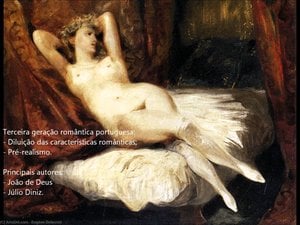
A vibrant symphony of color and sorrow, this Romantic masterpiece by Eugène Delacroix captures the vulnerability of Andromeda through expressive brushwork and dramatic light, inviting you to explore this timeless legend.

Explore o mundo vibrante de Eugène Delacroix, um dos principais artistas do Romantismo francês! Descubra suas cenas dramáticas, temas exóticos e uso magistral da cor. Veja obras icônicas como 'A Liberdade Guiando o Povo'. #Delacroix #Romantismo #ArteFrancesa

Giclée / Impressão de Arte

Impressão giclée ou em tela de qualidade de museu, com produção rápida e opções flexíveis de acabamento. ( Comprar pintura feita à mão Alternar para Imagem Digital)

Corner sample of the P118B picture frame: poliestireno moldado, 5 cm wide and 3 cm thick
P118B €10
Corner sample of the P118H picture frame: poliestireno moldado, 5 cm wide and 3 cm thick
P118H €10
Corner sample of the P118W picture frame: poliestireno moldado, 5 cm wide and 3 cm thick
P118W €10
Corner sample of the P438Z picture frame: poliestireno moldado, 5.5 cm wide and 3.5 cm thick
P438Z €10
Corner sample of the P508JH picture frame: poliestireno moldado, 7 cm wide and 3.5 cm thick
P508JH €12
Corner sample of the P508YH picture frame: poliestireno moldado, 7 cm wide and 3.5 cm thick
P508YH €12
Corner sample of the P805H picture frame: poliestireno moldado, 5 cm wide and 3.5 cm thick
P805H €10
Corner sample of the P805Z picture frame: poliestireno moldado, 5 cm wide and 3.5 cm thick
P805Z €10
Corner sample of the P919BZ picture frame: poliestireno moldado, 7 cm wide and 3.5 cm thick
P919BZ €10
Corner sample of the P919G picture frame: poliestireno moldado, 7 cm wide and 3.5 cm thick
P919G €10
Corner sample of the P919XJ picture frame: poliestireno moldado, 7 cm wide and 3.5 cm thick
P919XJ €10
Corner sample of the P959ZH picture frame: poliestireno moldado, 5 cm wide and 3 cm thick
P959ZH €10
Corner sample of the P968JZ picture frame: poliestireno moldado, 6 cm wide and 4 cm thick
P968JZ €12
Corner sample of the W106C picture frame: madeira maciça, 5 cm wide and 3 cm thick
W106C €8
Corner sample of the W218G picture frame: madeira maciça, 5 cm wide and 3 cm thick
W218G €10
Corner sample of the W218JH picture frame: madeira maciça, 5 cm wide and 3 cm thick
W218JH €8
Corner sample of the W218Y picture frame: madeira maciça, 5 cm wide and 3 cm thick
W218Y €10
Corner sample of the W307PJ picture frame: madeira maciça, 6 cm wide and 3 cm thick
W307PJ €10
Corner sample of the W316G picture frame: madeira maciça, 6 cm wide and 3 cm thick
W316G €10
Corner sample of the W316PJ picture frame: madeira maciça, 6 cm wide and 3 cm thick
W316PJ €8
Corner sample of the W316Y picture frame: madeira maciça, 6 cm wide and 3 cm thick
W316Y €10
Corner sample of the W398PJ picture frame: madeira maciça, 5 cm wide and 3 cm thick
W398PJ €8
Corner sample of the W4111J picture frame: madeira maciça, 6.5 cm wide and 3.5 cm thick
W4111J €10
Corner sample of the W500HY picture frame: madeira maciça, 7 cm wide and 5 cm thick
W500HY €15
Corner sample of the W500JH picture frame: madeira maciça, 7 cm wide and 5 cm thick
W500JH €15
Corner sample of the W692G picture frame: madeira maciça, 8 cm wide and 4 cm thick
W692G €12
Corner sample of the W849H picture frame: madeira maciça, 5 cm wide and 3 cm thick
W849H €8
Corner sample of the W940BG picture frame: madeira maciça, 7.5 cm wide and 4.5 cm thick
W940BG €15
Corner sample of the W953PJ picture frame: madeira maciça, 6 cm wide and 3.5 cm thick
W953PJ €8

Tamanho padrão
personalizado
CM
INCH

Escolha entre os nossos tamanhos pré-definidos que respeitam as proporções originais da obra de arte.

largura
altura

Insira a largura e a altura desejadas para se ajustarem à sua moldura ou parede. Uma impressão pode ser apenas cortada, nunca ampliada além da imagem original; portanto, um tamanho com proporções diferentes resultará na perda de parte da imagem. Enviamos uma maquete digital para sua aprovação antes de realizarmos a impressão. A imagem exibida nesta página não mostra o corte real — apenas a maquete o faz.

Entrega mundial () em 2 semanas, em vez das 4/5 semanas padrão. (26 Outubro)

Envio expresso gratuito para todo o mundo
Tela de Linho de Alta Qualidade
Seguro de transporte completo
Garantia de Reembolso de Impostos Alfandegários
Garantia de Fidelidade Cromática
Política de Devolução em 100 Dias (Apenas para Defeitos)
Garantia de reembolso de 100%
Oferta de desconto por quantidade

Preço Total

€ 60

andromeda - -

Giclée / Impressão de Arte

Tamanho da Reprodução

-

Preço Total

€ 60

Informações Rápidas

  • Movement: Romanticism
  • Title: Andromeda
  • Artist: Eugène Delacroix
  • Influences:
    • Rubens
    • Titian
  • Notable elements or techniques: Dynamic light play; Rich colors & textures
  • Subject or theme: Mythological storytelling

Quiz de Arte

Cada pergunta possui apenas uma resposta correta.

Pergunta 1:
What artistic movement is Eugène Delacroix’s ‘Andromeda’ primarily associated with?
Pergunta 2:
Where is ‘Andromeda’ currently housed?
Pergunta 3:
The painting depicts a mythological story featuring Andromeda. Who rescued her from the sea monster?
Pergunta 4:
What is a key characteristic of Delacroix’s technique in ‘Andromeda’?
Pergunta 5:
How does the contrast between the dark rocky background and Andromeda's skin contribute to the painting’s emotional impact?

A Symphony of Color and Sorrow

In the vast tapestry of the Romantic era, few works capture the raw, pulsating essence of human vulnerability quite like Eugène Delacroix’s Andromeda. Completed in 1852, this oil on canvas is far more than a mere mythological illustration; it is a profound exploration of emotion, individualism, and the sublime power of nature. As one gazes upon this masterpiece, currently held in the esteemed Museum of Fine Arts, Houston, the viewer is immediately transported to a desolate, windswept landscape where the boundaries between physical suffering and celestial longing begin to blur. Delacroix, a titan of the French Romantic school, rejects the cold, calculated precision of Neoclassicism in favor of a more visceral experience, inviting us to feel the very heartbeat of the tragedy unfolding before our eyes.

The subject matter draws deeply from the wellspring of Greek mythology, recounting the harrowing plight of Andromeda, daughter of King Cepheus and Queen Cassiopeia. Chained to a jagged rock as a sacrificial offering to appease the sea god Poseidon, Andromeda stands as a symbol of profound isolation. Yet, within this moment of extreme peril, Delaculate finds a breathtaking beauty. The composition focuses on her nude form, emphasizing a delicate physical fragility that contrasts sharply against the imposing, rugged textures of the rocky shore. It is a narrative of tension—the stillness of the victim set against the implied turbulence of the approaching storm and the divine wrath of the sea.

Mastery of Light and Expressive Brushwork

Technically, Andromeda serves as a masterclass in the signature Delacroix style. The artist utilizes a vibrant, emotive palette where rich reds, deep blues, and lush greens dance across the canvas to create an atmosphere of dynamic movement. Rather than relying on rigid outlines, Delacroix employs loose, expressive brushstrokes that capture the flickering interplay of light and shadow. This use of chiaroscuro—the dramatic contrast between brilliance and obscurity—serves to heighten the emotional stakes, drawing the eye toward the luminous glow of Andromeda’s skin, which seems to radiate a warm, ethereal light amidst the surrounding gloom.

For the discerning collector or interior designer, this piece offers an unparalleled depth of texture and color. The way the light catches the undulating surfaces of the canvas creates a sense of life that is rare in static portraiture. The painting does not merely sit upon the wall; it breathes. The masterful blending of colors ensures that the artwork possesses a multidimensional quality, making it a commanding focal point for any sophisticated space. Whether placed in a gallery-style setting or a curated private study, the work’s ability to evoke both grace and strength provides a continuous source of visual and emotional inspiration.

An Enduring Legacy of Romanticism

To possess a reproduction of this caliber is to hold a fragment of art history's most transformative period. Delacroix’s work was revolutionary because it prioritized the feeling of the subject over the mere accuracy of its form. In Andromeda, we see the culmination of his quest to capture the sublime—that overwhelming sense of awe and terror that comes from witnessing nature's grandeur. The painting remains a poignant reminder of the human struggle against fate, rendered with a sensuality and strength that transcends the centuries.

For those seeking to infuse their surroundings with a sense of drama, history, and profound beauty, this depiction of Andromeda stands as an eternal icon. It is a work that invites contemplation, offering a window into a world where myth and emotion are inextricably linked, and where every brushstroke tells a story of survival and splendor.

Perguntas e Respostas

Qual é a técnica e as dimensões de "andromeda - -", de Eugène Delacroix?

A técnica de "andromeda - -", de Eugène Delacroix é Oil On Canvas, e suas dimensões registradas são 33 x 25 cm.

Qual é a recomendação de impressão para "andromeda - -" — qual tamanho e qual orientação?

Para "andromeda - -", o formato de impressão recomendado é o tamanho Small com orientação Portrait.

"andromeda - -", de Eugène Delacroix está entre as obras de Romanticism mais procuradas?

Dentro do movimento Romanticism, "andromeda - -" possui um nível de popularidade Recognized.


Biografia do Artista

Uma Pincelada Revolucionária: A Vida e o Legado de Eugène Delacroix

Ferdinand Victor Eugène Delacroix, nascido em Charenton-Saint-Maurice perto de Paris em 1798, foi mais do que um simples pintor; ele personificou o espírito fervoroso do Romantismo. Emergindo como uma figura central na arte francesa durante um período de turbulência social e ideais estéticos em transformação, Delacroix rejeitou o formalismo rígido do Neoclassicismo, abraçando, em vez disso, drama, emoção e uma paleta vibrante que alteraria para sempre o curso da pintura. Sua vida, marcada por tragédias pessoais, tornou-se inextricavelmente ligada à sua visão artística – uma busca incessante para capturar o sublime, explorar reinos exóticos e expressar o poder bruto da experiência humana.

Os primeiros anos de Delacroix foram moldados por uma história familiar complexa e uma saúde relativamente frágil. Órfão aos dezesseis anos, encontrou orientação na figura influente de Charles-Maurice de Talleyrand-Périgord, que muitos acreditavam ser seu verdadeiro pai. Essa conexão lhe proporcionou patrocínio crucial e acesso ao mundo artístico parisiense. Inicialmente estudou com Pierre-Narcisse Guérin, um respeitado pintor acadêmico, mas foi a obra de Théodore Géricault – particularmente sua monumental *A Jangada da Medusa* – que realmente incendiou a paixão artística de Delacroix. Ele até posou para Géricault, absorvendo o compromisso do artista mais velho com o realismo e a intensidade emocional.

De Cenas Históricas a Visões Exóticas

Delacroix irrompeu na cena do Salon em 1822 com *Dante e Virgílio no Inferno*, uma obra que sinalizou imediatamente sua partida das normas estabelecidas. Inspirada pelo *Inferno* de Dante Alighieri, a pintura exibiu um uso ousado da cor, composição dinâmica e um palpável senso de turbulência psicológica. Este marco iniciou uma carreira dedicada à exploração de temas como paixão, conflito e a condição humana. Inicialmente recebida com reações mistas – alguns críticos elogiaram sua originalidade, enquanto outros descartaram seu trabalho como caótico e desprovido de refinamento clássico – Delacroix perseverou, desenvolvendo um estilo distinto caracterizado por pinceladas soltas, texturas ricas e ênfase no movimento.

Sua fascinação se estendia além de temas históricos e literários. Uma viagem fundamental ao Norte da África em 1832 impactou profundamente sua trajetória artística. Imerso na cultura vibrante do Marrocos, Delacroix ficou cativado pelas paisagens exóticas, pelo estilo de vida nômade das tribos árabes e pela intensidade de suas tradições. Essa experiência infundiu suas pinturas com um novo senso de cor, luz e energia, como visto em obras como *Cavalos Árabes Lutando* e inúmeros estudos da vida argelina. Ele não estava apenas documentando essas cenas; ele buscava compreender o espírito subjacente de uma cultura vastamente diferente da sua.

O Poder da Cor e o Engajamento Político

A maestria de Delacroix na cor é, talvez, seu legado mais duradouro. Ele tirou inspiração do exuberância barroca de Rubens e dos mestres renascentistas venezianos, priorizando a intensidade cromática em detrimento da precisão do desenho. Ele compreendeu que a cor poderia evocar emoção, criar atmosfera e transmitir significado de maneiras que a linha sozinha não conseguiria. Essa abordagem inovadora influenciou profundamente as gerações subsequentes de artistas, abrindo o caminho para o Impressionismo e o Pós-Impressionismo.

Além de suas inovações estéticas, Delacroix foi um artista politicamente engajado. Sua obra mais icônica, *A Liberdade Guiando o Povo* (1830), não é simplesmente uma representação da Revolução de Julho; é uma poderosa alegoria para a liberdade e a rebelião. A composição dinâmica da pintura, as figuras alegóricas e o poder emocional bruto cimentaram seu lugar na história da arte como um símbolo da identidade nacional francesa e dos ideais revolucionários. Não se tratava apenas de documentar um evento; era sobre capturar o espírito de uma nação lutando por sua liberdade.

Uma Influência Duradoura

Delacroix continuou a pintar prolificamente ao longo de sua vida, explorando diversos temas que variam de tragédias shakespearianas a narrativas bíblicas. Ele também fez contribuições significativas como litógrafo, ilustrando obras de gigantes literários como William Scott e Johann Wolfgang von Goethe. Seu estúdio tornou-se um centro de intercâmbio artístico, atraindo aspirantes a pintores que foram atraídos por sua abordagem não convencional.

No momento de sua morte em 1863, Delacroix havia se estabelecido firmemente como um dos maiores artistas da França. Sua influência se estendeu muito além do movimento Romântico, moldando o desenvolvimento da pintura moderna e inspirando inúmeros artistas com seu uso ousado da cor, composições dinâmicas e compromisso inabalável com a expressão emocional. Ele permanece uma figura fundamental na história da arte – um testemunho do poder da visão individual e do fascínio duradouro do sublime.

Eugène Delacroix

Eugène Delacroix

1798 - 1863 , França

Dados Rápidos

  • Artistas Que Influenciaram:
    • Rubens
    • Pintores Renascentistas
  • Artistas/Movimentos Influenciados:
    • Impressionismo
    • Pós-Impressionismo
  • Data Da Morte: 13 de agosto de 1863
  • Data De Nascimento: 26 de abril de 1798
  • Local De Nascimento: Chantonnay, França
  • Movimento Artístico: Romantismo
  • Nacionalidade: Francês
  • Nome Completo: Eugène Delacroix
  • Obras Notáveis:
    • Liberdade Guiando o Povo
    • A Morte de Sardanapalo
Explore obras de arte organizadas por temas, estilos e características.