Visualizar na parede Visualizar em RA Alternar para Impressão Alternar para Imagem Digital Compartilhar
Detalhes Guia Adicionar aos favoritos Baixar imagem Semelhantes Raio X Ver diaporama Estatísticas

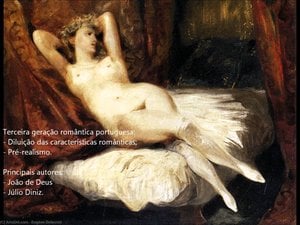
Andromeda

Explore o mundo vibrante de Eugène Delacroix, um dos principais artistas do Romantismo francês! Descubra suas cenas dramáticas, temas exóticos e uso magistral da cor. Veja obras icônicas como 'A Liberdade Guiando o Povo'. #Delacroix #Romantismo #ArteFrancesa

Reprodução em Óleo Feita à Mão

Óleo sobre tela pintado à mão no tamanho e moldura de sua escolha, feito sob encomenda pelos nossos artistas. ( Alternar para Impressão Alternar para Imagem Digital)

Corner sample of the P118B picture frame: poliestireno moldado, 5 cm wide and 3 cm thick
P118B €10
Corner sample of the P118H picture frame: poliestireno moldado, 5 cm wide and 3 cm thick
P118H €10
Corner sample of the P118W picture frame: poliestireno moldado, 5 cm wide and 3 cm thick
P118W €10
Corner sample of the P438Z picture frame: poliestireno moldado, 5.5 cm wide and 3.5 cm thick
P438Z €10
Corner sample of the P508JH picture frame: poliestireno moldado, 7 cm wide and 3.5 cm thick
P508JH €12
Corner sample of the P508YH picture frame: poliestireno moldado, 7 cm wide and 3.5 cm thick
P508YH €12
Corner sample of the P805H picture frame: poliestireno moldado, 5 cm wide and 3.5 cm thick
P805H €10
Corner sample of the P805Z picture frame: poliestireno moldado, 5 cm wide and 3.5 cm thick
P805Z €10
Corner sample of the P919BZ picture frame: poliestireno moldado, 7 cm wide and 3.5 cm thick
P919BZ €10
Corner sample of the P919G picture frame: poliestireno moldado, 7 cm wide and 3.5 cm thick
P919G €10
Corner sample of the P919XJ picture frame: poliestireno moldado, 7 cm wide and 3.5 cm thick
P919XJ €10
Corner sample of the P959ZH picture frame: poliestireno moldado, 5 cm wide and 3 cm thick
P959ZH €10
Corner sample of the P968JZ picture frame: poliestireno moldado, 6 cm wide and 4 cm thick
P968JZ €12
Corner sample of the W106C picture frame: madeira maciça, 5 cm wide and 3 cm thick
W106C €8
Corner sample of the W218G picture frame: madeira maciça, 5 cm wide and 3 cm thick
W218G €10
Corner sample of the W218JH picture frame: madeira maciça, 5 cm wide and 3 cm thick
W218JH €8
Corner sample of the W218Y picture frame: madeira maciça, 5 cm wide and 3 cm thick
W218Y €10
Corner sample of the W307PJ picture frame: madeira maciça, 6 cm wide and 3 cm thick
W307PJ €10
Corner sample of the W316G picture frame: madeira maciça, 6 cm wide and 3 cm thick
W316G €10
Corner sample of the W316PJ picture frame: madeira maciça, 6 cm wide and 3 cm thick
W316PJ €8
Corner sample of the W316Y picture frame: madeira maciça, 6 cm wide and 3 cm thick
W316Y €10
Corner sample of the W398PJ picture frame: madeira maciça, 5 cm wide and 3 cm thick
W398PJ €8
Corner sample of the W4111J picture frame: madeira maciça, 6.5 cm wide and 3.5 cm thick
W4111J €10
Corner sample of the W500HY picture frame: madeira maciça, 7 cm wide and 5 cm thick
W500HY €15
Corner sample of the W500JH picture frame: madeira maciça, 7 cm wide and 5 cm thick
W500JH €15
Corner sample of the W692G picture frame: madeira maciça, 8 cm wide and 4 cm thick
W692G €12
Corner sample of the W849H picture frame: madeira maciça, 5 cm wide and 3 cm thick
W849H €8
Corner sample of the W940BG picture frame: madeira maciça, 7.5 cm wide and 4.5 cm thick
W940BG €15
Corner sample of the W953PJ picture frame: madeira maciça, 6 cm wide and 3.5 cm thick
W953PJ €8

Tamanho padrão
personalizado
CM
INCH

Escolha entre os nossos tamanhos pré-definidos que respeitam as proporções originais da obra de arte.

largura
altura

Insira a largura e a altura desejadas para se ajustarem à sua moldura ou parede. Como esta obra é pintada à mão, para um tamanho com proporções diferentes, o artista poderá pintar um pouco mais ao redor da imagem ou reduzir ligeiramente a composição — você escolhe. Enviamos uma maquete digital para sua aprovação antes de iniciar a pintura. A imagem exibida nesta página não representa o resultado real — apenas a maquete mostra o resultado final.

Exemplos do que pode ser personalizado: Substituir o rosto pela foto do cliente; Adicionar um animal de estimação (ex: substituir gato por cão); Incluir uma mensagem oculta no fundo; Alterar a paisagem ou elementos do fundo.
Após o pedido, a equipa WahooArt.com enviará um e-mail ao cliente para solicitar instruções e fornecer uma prévia do esboço.

Entrega mundial () em 3 a 4 semanas, em vez das 5 semanas padrão. (25 Outubro). Sem comprometer a qualidade.

Envio expresso gratuito para todo o mundo
Tela de Linho de Alta Qualidade
Seguro de transporte completo
Garantia de Reembolso de Impostos Alfandegários
Garantia de Fidelidade Cromática
Política de Devolução em 100 Dias (Apenas para Defeitos)
Garantia de reembolso de 100%
Oferta de desconto por quantidade

Preço Total

€ 239

Andromeda

Técnica de Reprodução

Tamanho da Reprodução

-

Preço Total

€ 239

Informações Rápidas

  • Artistic style: Dramatic lighting, emotion
  • Subject or theme: Mythological tale
  • Medium: Oil on canvas
  • Artist: Eugène Delacroix
  • Notable elements: Nude figure, tranquility
  • Year: 1852

Quiz de Arte

Cada pergunta possui apenas uma resposta correta.

Pergunta 1:
What artistic movement is Eugène Delacroix’s ‘Andromeda’ primarily associated with?
Pergunta 2:
The story of Andromeda depicted in this painting originates from which Greek mythology?
Pergunta 3:
What material is primarily used in the creation of ‘Andromeda’?
Pergunta 4:
Where can one currently view Eugène Delacroix's 'Andromeda'?
Pergunta 5:
Which element is most emphasized in Delacroix’s depiction of Andromeda to convey a sense of introspection?

Delacroix’s “Andromeda”: A Romantic Tapestry of Myth and Emotion

Eugène Delacroix's "Andromeda," painted in 1852, is more than just a depiction of a classical myth; it’s a profound exploration of human vulnerability, celestial longing, and the raw power of Romantic emotion. This oil on canvas, measuring a modest 33 x 25 cm, currently residing within the Museum of Fine Arts, Houston, Texas, immediately captivates with its dramatic lighting and vibrant color palette – hallmarks of Delacroix’s signature style. The painting transports us to a desolate, windswept landscape, dominated by towering mountains that seem to press down upon the central figure, instantly establishing a sense of isolation and impending doom. Delacroix masterfully employs chiaroscuro—the dramatic contrast between light and shadow—to sculpt Andromeda's form, emphasizing her physical vulnerability against the vastness of the heavens. The loose brushstrokes, characteristic of Romanticism, create an almost turbulent surface, mirroring the emotional turmoil within the subject.

The Mythological Narrative: A Tale of Fate and Despair

The story of Andromeda originates from ancient Greek mythology, a poignant tale of divine punishment and heroic intervention. She was chained to a rock as a sacrifice to the monstrous sea serpent Cetus, destined to be devoured unless rescued by Perseus. Delacroix doesn’t simply illustrate this narrative; he imbues it with an intensely personal resonance. Andromeda is not merely a passive victim; she possesses a quiet dignity and a contemplative gaze that suggests resilience rather than despair. Her hands are gracefully positioned behind her back, a gesture of both restraint and a subtle defiance against her fate. The upward tilt of her head, directed towards the unseen stars, speaks to an enduring hope—a yearning for salvation or perhaps simply a connection with something beyond her earthly predicament. The artist deliberately avoids depicting the rescue by Perseus, choosing instead to focus on Andromeda’s internal state and her relationship with the natural world.

Romanticism in Color and Composition: A Symphony of Feeling

“Andromeda” is a quintessential example of Romantic art—a movement that prioritized emotion, imagination, and individualism over classical restraint. Delacroix's use of color is particularly striking. He employs rich, saturated hues – deep blues and purples for the stormy sky, earthy browns and ochres for the rocks – to create a sense of drama and intensity. The light, seemingly emanating from an unseen source, washes over Andromeda’s body, highlighting her form while simultaneously emphasizing her isolation. The composition itself is carefully constructed to draw the viewer into the scene. The diagonal lines created by the mountains and the rocky terrain lead the eye towards Andromeda, creating a sense of movement and drawing us into her world. Furthermore, Delacroix's decision to place her in such a desolate landscape underscores the Romantic fascination with the sublime—the awe-inspiring power and beauty of nature that simultaneously evokes both terror and wonder.

Symbolism and Emotional Resonance: A Portrait of Human Experience

Beyond its mythological subject matter, “Andromeda” operates on a deeper symbolic level. The chained figure represents not only Andromeda’s physical imprisonment but also the broader human condition—the feeling of being trapped by circumstance, fate, or personal struggles. The vastness of the sky and the turbulent landscape serve as metaphors for the uncertainties and challenges of life. Yet, despite her predicament, Andromeda retains a sense of inner strength and serenity. Her gaze suggests an acceptance of her fate, a quiet contemplation of her situation, and perhaps even a glimmer of hope. The painting’s enduring appeal lies in its ability to tap into universal human emotions—longing, vulnerability, resilience, and the search for meaning in a seemingly indifferent universe. It is a testament to Delacroix's skill as an artist and his profound understanding of the human heart.

For more information on Eugène Delacroix and his works, visit /art/list/?Filter=eugène+delacroix,eugène,delacroix.

To explore other paintings by the artist, including Perseus and Andromeda, see /art/list/?Filter=8YDM43-Eugene-Delacroix-Perseus-and-Andromeda.

The Musée Eugène Delacroix in Paris is also a must-visit destination for art enthusiasts, offering a unique glimpse into the life and work of this renowned artist: /art/list/?Filter=A@D3CET9-Discover-the-Musee-Eugene-Delacroix-a-Hidden-Gem-in-Paris.

Perguntas e Respostas

Qual é a atmosfera de "Andromeda"?

"Andromeda" possui uma atmosfera Romantic.

Posso ver uma imagem de raio-X de "Andromeda", de Eugène Delacroix?

"Andromeda" pode ser examinado camada por camada na página Raio X da obra, um visualizador inspirado em uma mesa de luz de conservação com onze leituras ópticas da imagem.

Existe uma apresentação de slides para "Andromeda", de Eugène Delacroix?

O diaporama de "Andromeda" pode ser visualizado na página Apresentação de imagens da obra.


Biografia do Artista

Uma Pincelada Revolucionária: A Vida e o Legado de Eugène Delacroix

Ferdinand Victor Eugène Delacroix, nascido em Charenton-Saint-Maurice perto de Paris em 1798, foi mais do que um simples pintor; ele personificou o espírito fervoroso do Romantismo. Emergindo como uma figura central na arte francesa durante um período de turbulência social e ideais estéticos em transformação, Delacroix rejeitou o formalismo rígido do Neoclassicismo, abraçando, em vez disso, drama, emoção e uma paleta vibrante que alteraria para sempre o curso da pintura. Sua vida, marcada por tragédias pessoais, tornou-se inextricavelmente ligada à sua visão artística – uma busca incessante para capturar o sublime, explorar reinos exóticos e expressar o poder bruto da experiência humana.

Os primeiros anos de Delacroix foram moldados por uma história familiar complexa e uma saúde relativamente frágil. Órfão aos dezesseis anos, encontrou orientação na figura influente de Charles-Maurice de Talleyrand-Périgord, que muitos acreditavam ser seu verdadeiro pai. Essa conexão lhe proporcionou patrocínio crucial e acesso ao mundo artístico parisiense. Inicialmente estudou com Pierre-Narcisse Guérin, um respeitado pintor acadêmico, mas foi a obra de Théodore Géricault – particularmente sua monumental *A Jangada da Medusa* – que realmente incendiou a paixão artística de Delacroix. Ele até posou para Géricault, absorvendo o compromisso do artista mais velho com o realismo e a intensidade emocional.

De Cenas Históricas a Visões Exóticas

Delacroix irrompeu na cena do Salon em 1822 com *Dante e Virgílio no Inferno*, uma obra que sinalizou imediatamente sua partida das normas estabelecidas. Inspirada pelo *Inferno* de Dante Alighieri, a pintura exibiu um uso ousado da cor, composição dinâmica e um palpável senso de turbulência psicológica. Este marco iniciou uma carreira dedicada à exploração de temas como paixão, conflito e a condição humana. Inicialmente recebida com reações mistas – alguns críticos elogiaram sua originalidade, enquanto outros descartaram seu trabalho como caótico e desprovido de refinamento clássico – Delacroix perseverou, desenvolvendo um estilo distinto caracterizado por pinceladas soltas, texturas ricas e ênfase no movimento.

Sua fascinação se estendia além de temas históricos e literários. Uma viagem fundamental ao Norte da África em 1832 impactou profundamente sua trajetória artística. Imerso na cultura vibrante do Marrocos, Delacroix ficou cativado pelas paisagens exóticas, pelo estilo de vida nômade das tribos árabes e pela intensidade de suas tradições. Essa experiência infundiu suas pinturas com um novo senso de cor, luz e energia, como visto em obras como *Cavalos Árabes Lutando* e inúmeros estudos da vida argelina. Ele não estava apenas documentando essas cenas; ele buscava compreender o espírito subjacente de uma cultura vastamente diferente da sua.

O Poder da Cor e o Engajamento Político

A maestria de Delacroix na cor é, talvez, seu legado mais duradouro. Ele tirou inspiração do exuberância barroca de Rubens e dos mestres renascentistas venezianos, priorizando a intensidade cromática em detrimento da precisão do desenho. Ele compreendeu que a cor poderia evocar emoção, criar atmosfera e transmitir significado de maneiras que a linha sozinha não conseguiria. Essa abordagem inovadora influenciou profundamente as gerações subsequentes de artistas, abrindo o caminho para o Impressionismo e o Pós-Impressionismo.

Além de suas inovações estéticas, Delacroix foi um artista politicamente engajado. Sua obra mais icônica, *A Liberdade Guiando o Povo* (1830), não é simplesmente uma representação da Revolução de Julho; é uma poderosa alegoria para a liberdade e a rebelião. A composição dinâmica da pintura, as figuras alegóricas e o poder emocional bruto cimentaram seu lugar na história da arte como um símbolo da identidade nacional francesa e dos ideais revolucionários. Não se tratava apenas de documentar um evento; era sobre capturar o espírito de uma nação lutando por sua liberdade.

Uma Influência Duradoura

Delacroix continuou a pintar prolificamente ao longo de sua vida, explorando diversos temas que variam de tragédias shakespearianas a narrativas bíblicas. Ele também fez contribuições significativas como litógrafo, ilustrando obras de gigantes literários como William Scott e Johann Wolfgang von Goethe. Seu estúdio tornou-se um centro de intercâmbio artístico, atraindo aspirantes a pintores que foram atraídos por sua abordagem não convencional.

No momento de sua morte em 1863, Delacroix havia se estabelecido firmemente como um dos maiores artistas da França. Sua influência se estendeu muito além do movimento Romântico, moldando o desenvolvimento da pintura moderna e inspirando inúmeros artistas com seu uso ousado da cor, composições dinâmicas e compromisso inabalável com a expressão emocional. Ele permanece uma figura fundamental na história da arte – um testemunho do poder da visão individual e do fascínio duradouro do sublime.

Eugène Delacroix

Eugène Delacroix

1798 - 1863 , França

Dados Rápidos

  • Artistas Que Influenciaram:
    • Rubens
    • Pintores Renascentistas
  • Artistas/Movimentos Influenciados:
    • Impressionismo
    • Pós-Impressionismo
  • Data Da Morte: 13 de agosto de 1863
  • Data De Nascimento: 26 de abril de 1798
  • Local De Nascimento: Chantonnay, França
  • Movimento Artístico: Romantismo
  • Nacionalidade: Francês
  • Nome Completo: Eugène Delacroix
  • Obras Notáveis:
    • Liberdade Guiando o Povo
    • A Morte de Sardanapalo
Explore obras de arte organizadas por temas, estilos e características.