A Vida Eticada em Simbolismo: O Mundo de Ferdinand Hodler
Ferdinand Hodler, um nome intrinsecamente ligado à paisagem da pintura suíça e à poderosa linguagem do simbolismo, ascendeu de origens modestas para se tornar um dos artistas mais significativos das últimas décadas do século XIX e início do século XX. Nascido em Berna, Suíça, em 1853, sua vida foi profundamente moldada por perdas precoces – um tema recorrente que permeava sua visão artística. Os trágicos óbitos de seu pai e dois irmãos mais jovens antes de ele atingir a adolescência lançaram uma longa sombra, instilando nele uma profunda contemplação da mortalidade e da natureza efêmera da existência. Essas experiências, entrelaçadas com uma aguda sensibilidade à beleza e ao poder do mundo natural, tornaram-se os pilares fundamentais de sua obra em evolução. Inicialmente aprendiz de decoradores, o talento inato de Hodler transcendeu rapidamente a mera habilidade artesanal; ele ansiava por treinamento formal e exploração artística além das restrições do trabalho comercial. Essa ambição o levou a Genebra em 1871, onde mergulhou nos estudos, frequentando palestras científicas ao lado de uma diligente cópia de obras-primas no museu da cidade – uma educação rigorosa que lançou as bases para suas futuras inovações.
Da Realidade à ‘Paralelismo’: Forjando uma Visão Única
A jornada artística de Hodler foi marcada por uma evolução constante e uma busca incansável pelo poder expressivo. Suas primeiras obras refletiam o estilo realista prevalecente da época – retratos, paisagens e cenas do cotidiano executados com meticulosa atenção aos detalhes. No entanto, logo ele se viu restrito por essas convenções, buscando um meio de transmitir verdades emocionais e ideias filosóficas mais profundas. Essa busca o levou ao Simbolismo, um movimento que rejeitava a representação naturalista em favor da experiência subjetiva e de imagens evocativas. Contudo, Hodler não simplesmente adotou os princípios do Simbolismo; em vez disso, forjou seu próprio caminho único, desenvolvendo o que ele chamou de “paralelismo”. Esse estilo distinto envolvia a organização de figuras e formas em padrões rítmicos, quase geométricos, criando uma sensação de harmonia e tensão – uma representação visual da interconexão. Era um esforço para representar não apenas *o que* ele via, mas *como* ele sentia – as correntes emocionais subjacentes que conectavam todas as coisas.
A Noite (1890), por exemplo, tornou-se uma obra fundamental, marcando sua virada definitiva em direção a imagens simbolistas e provocando considerável controvérsia com sua representação de figuras recostadas sugerindo morte e repouso. Apesar da crítica inicial, a pintura ganhou atenção em Paris, estabelecendo a reputação de Hodler além das fronteiras da Suíça e sinalizando a chegada de uma voz verdadeiramente original.
Marcos na Pintura: Obras-Primas e Sua Significado
Ao longo de sua prolífica carreira, Hodler produziu um conjunto notável de obras que continuam a ressoar com o público hoje.
O Dia (1893), por exemplo, é considerada uma de suas maiores e mais celebradas conquistas – uma pintura histórica monumental que demonstra seu domínio da composição e do simbolismo. Alojada no Kunsthaus Zürich, esta obra-prima transmite um senso de admiração e grandiosidade, representando a vida, a morte e o renascimento com uma intensidade emocional arrebatadora. O tamanho e o peso emocional de
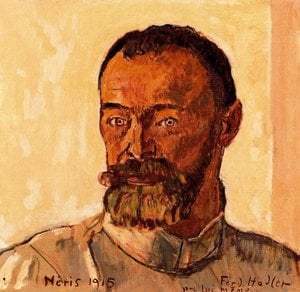
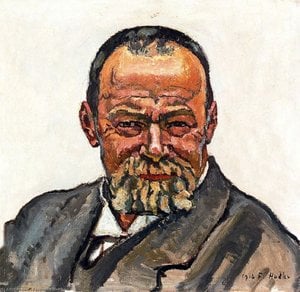
O Dia consolidaram a posição de Hodler como uma figura proeminente na arte europeia. Outras obras notáveis incluem inúmeras representações dos Alpes suíços, imbuídas de um senso de majestade inspiradora, e retratos que revelam sua profunda compreensão da psicologia humana. Ele frequentemente revisitava temas de perda e luto, talvez refletindo suas próprias traumas infantis, mas sempre infundidos com um senso de dignidade e resiliência. Suas pinturas não eram meras representações; eram paisagens emocionais, convidando os espectadores a contemplar as questões fundamentais da existência. Obras como
A Verdade II (1897) demonstram sua capacidade de combinar formas clássicas com sensibilidades modernas, criando imagens que são ao mesmo tempo atemporais e surpreendentemente contemporâneas – um testemunho de seu espírito inovador.
Um Legado Duradouro: Influência e Contexto Histórico
A influência de Ferdinand Hodler se estendeu muito além das fronteiras da Suíça. Seu uso inovador do simbolismo e seu desenvolvimento do “paralelismo” pavimentaram o caminho para o Expressionismo, com sua ênfase na emoção subjetiva e nas formas distorcidas. Artistas que o seguiram reconheceram-no como um precursor de suas próprias explorações da experiência interior. O trabalho de Hodler também ressoou com as correntes culturais mais amplas do final do século XIX e início do século XX – um período marcado por rápidas mudanças sociais, avanços científicos e uma crescente sensação de ansiedade existencial. Suas pinturas ofereceram uma linguagem visual para lidar com essas questões complexas, fornecendo consolo e insight em um mundo cada vez mais incerto. Hoje, as obras de Hodler são exibidas em importantes museus em toda a Europa e além, garantindo que sua visão artística continue a inspirar e desafiar gerações de espectadores. Ele permanece uma figura imponente na história da arte suíça, celebrado não apenas por sua habilidade técnica, mas também por sua profunda profundidade emocional e seu compromisso inabalável em explorar os mistérios da condição humana.
Explorando Hodler Mais Aprofundadamente



 Visualizar em escala
 Alternar para Impressão
 Enviar
 Compartilhar
 Ver detalhes
 Guia de Obras do Aluno

 Baixar imagem
 Semelhantes
 Raio X
 Apresentação de slides
 Estatísticas


 Ver mais






































 A opção de vidro está disponível apenas para tamanhos inferiores a 110 cm