


Impressão giclée ou em tela de qualidade de museu, com produção rápida e opções flexíveis de acabamento. ( Comprar pintura feita à mão Comprar imagem)





























Escolha entre os nossos tamanhos pré-definidos que respeitam as proporções originais da obra de arte.

Você pode inserir suas próprias dimensões para se ajustar a uma moldura ou espaço específico. Se o tamanho selecionado não corresponder às proporções da imagem original, iremos recortar a obra de arte ou estender a imagem com uma borda espelhada ou preenchimento sólido. Um mockup digital será enviado para sua aprovação antes do início da produção.
Por favor, observe que a visualização na tela não reflete o recorte ou a extensão real. Apenas o mockup mostrará com precisão a composição final.
Embora tamanhos personalizados estejam disponíveis, recomendamos selecionar uma dimensão da lista predefinida para preservar as proporções originais.
Entrega mundial () em 2 semanas, em vez das 4/5 semanas padrão. (7 Setembro)


untitled (8677)
Tamanho da Reprodução
Eugène Henri Paul Gauguin’s “untitled (8677)” presents a deceptively simple scene—a gathering of figures on a sun-drenched beach—yet it embodies the profound artistic vision that defined Gauguin's oeuvre and cemented his place as one of the most influential artists of the late nineteenth century. This painting, executed in 1895 during Gauguin’s formative years in Tahiti, transcends mere representation; it strives to convey a feeling, an atmosphere—a distillation of the beauty and serenity found in nature.
Gauguin departed decisively from Impressionism's focus on capturing fleeting optical sensations. Instead, he embraced Synthetist color theory championed by Vincent van Gogh, prioritizing expressive color over accurate depiction. The palette is vibrant and unrestrained—deep blues dominate the ocean expanse contrasted against warm yellows and oranges illuminating the sand and figures. These colors aren’t blended smoothly; they are applied in juxtaposed patches, creating a visual dynamism that mirrors the energy of the natural world.
The painting's surface is characterized by thick impasto—a technique where paint is applied in heavy layers—creating a palpable texture. Gauguin meticulously builds up pigment onto the canvas, sculpting forms with brushstrokes that are visible and deliberate. This tactile approach isn’t merely decorative; it serves to heighten the emotional impact of the artwork, conveying a sense of immediacy and physicality.
“untitled (8677)” reflects Gauguin’s broader artistic ambition—a fervent desire to reconnect with primal spirituality and escape the constraints of Western civilization. Following his relocation to Tahiti, he sought inspiration in Polynesian culture, attempting to capture its essence through simplified forms and bold colors. This painting exemplifies his fascination with mythology and symbolism, drawing upon motifs reminiscent of ancient rituals and beliefs.
The composition itself is laden with symbolic significance. The three women seated on the beach represent fertility and maternal care—themes central to Gauguin's worldview. The dog symbolizes loyalty and companionship, mirroring the artist’s own relationship with his adopted Tahitian son. Even the scattered rocks contribute to the painting’s narrative, suggesting stability amidst chaos and grounding the figures in their environment. Ultimately, “untitled (8677)” invites contemplation on themes of innocence, beauty, and the enduring power of nature.

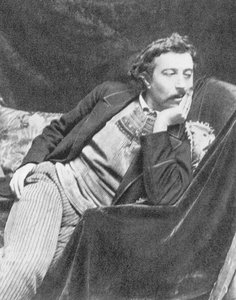
1848 - 1903 , França

Master the nuances of Impressionism vs. Post-Impressionism with our expert guide. Explore the revolutionary shift from Monet’s fleeting light to Van Gogh’s emotional depth. Discover how these iconic movements continue to inspire fine art collectors and modern interiors today.

Discover the profound emotional depth of Post-Impressionist landscapes. Explore how masters like Van Gogh revolutionized art through vibrant color, textured impasto, and symbolic expression in this expert guide to the movement that redefined modern art history.

 Visualizar na parede
 Compartilhar
 Compartilhar
 Detalhes

 Baixar imagem
 Semelhantes
 Raio X
 Slideshow
 Ler mais







 A opção de vidro está disponível apenas para tamanhos inferiores a 110 cm


