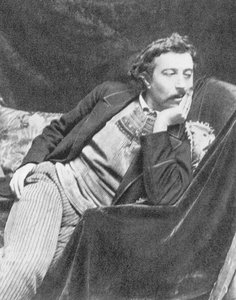
Eugène Henri Paul Gauguin: Um Pintor em Cores de Revolução
Eugène Henri Paul Gauguin, um nome que ressoa com cores vibrantes e espírito rebelde, se destaca como uma figura central na transição do Impressionismo para a arte moderna. Nascido em Paris em 1848, sua vida foi longe de ser convencional. Seus primeiros anos foram moldados por uma criação incomum: seu pai, um jornalista, e sua mãe descendente da aristocracia peruana – sua avó materna, Flora Tristan, uma pioneira feminista e escritora socialista cujos ideais certamente ressoaram dentro da família. Essa herança profunda influenciou a visão artística de Gauguin, instilando nele uma fascinação por culturas além da Europa. Um período formativo gasto no Peru como criança, após a mudança da família em 1850, mergulhou-o em um mundo vastamente diferente da sociedade parisiense, uma experiência que permaneceu e, em última análise, alimentou sua busca por autenticidade na arte. Retornando à França após a morte de seu pai, Gauguin recebeu uma educação formal, mas se sentiu atraído não pela academia, mas pelo crescente mundo financeiro, embarcando em uma carreira como corretor de valores – um caminho aparentemente incompatível com o destino artístico que o aguardava.
Da Finança ao Chamado Artístico
Por anos, Gauguin liderou uma vida dupla, dedicando-se diligentemente aos seus negócios enquanto secretamente nutria uma paixão pela pintura. Inicialmente influenciado pelos Impressionistas, ele começou a experimentar com cor e luz em seu tempo livre, mas logo se sentiu restrito por sua dedicação em capturar momentos fugazes da realidade. A crise financeira de 1882 provou ser um ponto de virada, forçando-o a abandonar sua carreira lucrativa e abraçar plenamente sua vocação artística. Isso não foi apenas uma mudança de profissão; foi uma mudança fundamental de perspectiva. Ele buscou orientação de Camille Pissarro, que o encorajou em seu desenvolvimento e apresentou-o aos círculos vanguardistas de Paris. No entanto, Gauguin rapidamente começou a divergir dos princípios impressionistas, ansiando por algo mais expressivo, mais simbólico – um meio de transmitir não apenas *o que ele via*, mas *o que ele sentia*. Esse desejo o levou a uma jornada de exploração artística que levaria-o muito além das salões parisienses e para o coração das culturas “primitivas”. Ele não estava simplesmente interessado em retratar essas culturas; ele buscava absorver sua essência, acreditando que elas ofereciam uma pureza perdida na civilização ocidental.
O Chamado de Bretanha e Tahiti
A evolução artística de Gauguin foi inextricavelmente ligada às suas viagens. Passou um tempo na Bretanha, cativado pelos paisagens acidentadas e pelas tradições profundamente enraizadas de seu povo. Este período viu-o experimentar com formas achatadas, contornos ousados e simplificação da composição – técnicas que o afastaram ainda mais do realismo e se aproximaram de uma linguagem simbólica. Mas foi sua jornada para Tahiti em 1891 que realmente desencadeou seu potencial criativo. Buscando refúgio do que ele percebia como as restrições sufocantes da civilização europeia, Gauguin esperava encontrar inspiração na cultura polinésia, acreditando que ela oferecia uma maneira mais autêntica e espiritual de vida. Isso não foi apenas uma busca artística; foi uma jornada espiritual. Ele se imergiu nos costumes e crenças locais, retratando mulheres polinesianas, paisagens e práticas religiosas por meio de sua visão única. Influenciado pelo Japonismo – *Japonisme* – e pela arte medieval, ele desenvolveu uma estética distinta caracterizada por cores vibrantes, assunto exótico e um ar de mistério. Pinturas icônicas como “Vahine no te miti” (Mulher com Mamão), “Manao Tupapau” (Observada pelo Espírito da Morte) e “O Dia dos Deuses” emergiram desse período, consolidando sua reputação como um artista visionário. O uso de cores se tornou cada vez mais ousado e não naturalista, servindo para expressar emoção e significado espiritual, em vez de replicar a realidade.
Legado e Controvérsia
Apesar de seus avanços artísticos, a vida de Gauguin foi frequentemente marcada por dificuldades. Ele lutou com dificuldades financeiras e problemas de saúde durante seu tempo em Tahiti e mais tarde nas Ilhas Marquesas, onde finalmente se estabeleceu. No entanto, ele continuou a pintar prolissimamente, explorando incessantemente temas de vida, morte e espiritualidade. Ele morreu em 1903 na ilha remota de Hiva Oa, no arquipélago das Marquesas, largamente não reconhecido por seu gênio. Foi somente após sua morte que a obra de Gauguin começou a receber o reconhecimento que merecia. Hoje, ele é celebrado como uma figura central no desenvolvimento da arte moderna, conectando a ponte entre o Impressionismo e o Simbolismo, abrindo caminho para movimentos como o Fauvismo. Seu uso de cores, formas simplificadas e imagens simbólicas influenciou profundamente artistas como Pablo Picasso, Henri Matisse e muitos outros. No entanto, Gauguin permanece uma figura controversa devido a aspectos de sua vida pessoal – particularmente seus relacionamentos com jovens mulheres polinesianas – que continuam a ser debatidos e reinterpretados à luz das considerações éticas contemporâneas. Apesar disso, suas contribuições artísticas são inegáveis e seu legado continua a inspirar artistas e amantes da arte em todo o mundo. Ele foi um verdadeiro inovador, um rebelde que ousou desafiar as convenções e forjar seu próprio caminho, deixando para trás um corpo de trabalho tão cativante e enigmático quanto o homem.
Influências Chave & Características Artísticas
- Impressionismo: Influência inicial na cor e luz, posteriormente rejeitado por seu foco em momentos fugazes da realidade.
- Japonisme: Inspirou perspectivas achatadas, contornos ousados e padrões decorativos.
- Arte Medieval: Influenciou a imagem simbólica e uma rejeição ao realismo estrito.
- Sintetismo: Um estilo desenvolvido por Gauguin enfatizando a criação de arte com base na experiência subjetiva, em vez da observação objetiva.
- Primitivismo: Fascínio pelas culturas não ocidentais, acreditando que elas ofereciam uma maneira mais autêntica e espiritual de vida. Isso é refletido em seu assunto e escolhas estilísticas.



 Visualizar em escala
 Encomendar reprodução pintada à mão
 Enviar
 Compartilhar
 Ver detalhes
 Guia
Guia

 Baixar imagem
 Semelhantes
 Raio X
 Apresentação de slides
 Estatísticas

 Ver mais






































 A opção de vidro está disponível apenas para tamanhos inferiores a 110 cm