Visualizar em escala Visualizar em RA Alternar para Impressão Ver Imagem Digital Enviar
Ver detalhes Adicionar aos favoritos Baixar imagem Semelhantes Raio X Apresentação de slides Estatísticas

O Lago Tranquilo

Admire uma paisagem serena de um lago em Suécia, capturada por Eugen Napoleon Nicolaus em 1901. Uma obra-prima da arte regionalista que celebra a beleza da natureza e o espírito escandinavo.

Explore the evocative landscapes of Eugen Napoleon Nicolaus, a Swedish painter renowned for his serene depictions of Lake Mälaren & Swedish countryside. Discover his legacy!

Reprodução em Óleo Feita à Mão

Óleo sobre tela pintado à mão no tamanho e moldura de sua escolha, feito sob encomenda pelos nossos artistas. ( Alternar para Impressão Ver Imagem Digital)

P118B $10
P118H $10
P118W $10
P438Z $10
P508JH $12
P508YH $12
P805H $10
P805Z $10
P919BZ $10
P919G $10
P919XJ $10
P959ZH $10
P968JZ $12
W106C $8
W218G $10
W218JH $8
W218Y $10
W307PJ $10
W316G $10
W316PJ $8
W316Y $10
W398PJ $8
W4111J $10
W500HY $15
W500JH $15
W692G $12
W849H $8
W940BG $15
W953PJ $8

Padrão
sob medida
CM
INCH

Escolha entre os nossos tamanhos pré-definidos que respeitam as proporções originais da obra de arte.

largura
altura

Pode inserir as suas próprias dimensões para se adequar a uma moldura ou espaço específico. Se o tamanho selecionado não corresponder às proporções da imagem original, iremos cortar a obra de arte ou estender a pintura com elementos adicionais pintados à mão. Um esboço digital será enviado para sua aprovação antes do início da produção.
Tenha em atenção que a pré-visualização no ecrã não reflete o corte ou extensão real. Apenas o esboço mostrará com precisão a composição final.
Embora tamanhos personalizados estejam disponíveis, recomendamos selecionar uma dimensão da lista predefinida para preservar as proporções originais.

Exemplos do que pode ser personalizado: Substituir o rosto pela foto do cliente; Adicionar um animal de estimação (ex: substituir gato por cão); Incluir uma mensagem oculta no fundo; Alterar a paisagem ou elementos do fundo.
Após o pedido, a equipa WahooArt.com enviará um e-mail ao cliente para solicitar instruções e fornecer uma prévia do esboço.

Entrega mundial () em 3 a 4 semanas, em vez das 5 semanas padrão. (19 Setembro). Sem comprometer a qualidade.

why_choose_icon
Envio expresso gratuito para todo o mundo
why_choose_icon
Tela de Linho Premium
why_choose_icon
Seguro de transporte total
why_choose_icon
Garantia de Reembolso de Impostos Alfandegários
why_choose_icon
Garantia de Fidelidade de Cor
why_choose_icon
Política de Devolução em 100 Dias (Apenas para Defeitos)
why_choose_icon
Garantia de reembolso de 100%
why_choose_icon
Desconto para múltiplas unidades

Preço Total

$ 272

reproduction

O Lago Tranquilo

Técnica de Reprodução

Dimensões da Reprodução

-

Preço Total

$ 272

Detalhes Rápidos

  • Artistic style: Impressionistic realism
  • Medium: Oil on canvas
  • Title: Det lugna vattnet
  • Subject or theme: Lake Mälaren scenery
  • Artist: Eugen Napoleon Nicolaus
  • Movement: Regionalism
  • Location: Nationalmuseum Stockholm Sweden

Uma Paisagem Tranquila Refletida na Arte de Eugen Napoleon Nicolaus

Eugen Napoleon Nicolaus, um pintor sueco nacido en 1865 y fallecido en Lambertville, Nueva Jersey en 1947, fue una figura clave en el desarrollo del regionalismo estadounidense. Su trayectoria artística, desde niño emigrado a Nebraska hasta reconocido artista, refleja un compromiso con capturar la esencia de la vida cotidiana y el espíritu de su tierra natal – una filosofía que influyó profundamente en el movimiento regionalista emergente.

  • Descripción Fotográfica: La pintura presenta un hermoso paisaje lacustre dominado por árboles circundantes. El cielo sobre la escena está nublado, añadiendo atmósfera a la imagen. En primer plano destacan varios caballos, algunos más cerca del agua y otros más alejados. Algunos individuos dispersos pueblan el escenario, posiblemente disfrutando de la vista o realizando actividades junto al lago. Esta obra maestra captura un momento sereno en la naturaleza, donde la combinación del cielo tormentoso, las aguas tranquilas y la presencia de caballos y personas crea una sensación de paz profunda.
  • Tamaño: Impresionante en dimensiones (1780 x 1420 cm), esta obra invita a contemplación y ofrece un espacio amplio para decoración interior.
  • Fecha: Pintada en 1901, refleja el espíritu artístico de principios del siglo XX, una época marcada por la búsqueda de nuevas expresiones emocionales y sensoriales.

El Artista: Eugen Napoleon Nicolaus – Un Pionero del Paisajismo Sueco

Robert Henri, cuyo nombre completo era Robert Henry Cozad en Cincinnati, Ohio, fue un artista cuya visión trascendió las convenciones académicas de su tiempo. Influenciado por los impresionistas y otros movimientos vanguardistas, Henri abrazó una estética directa y expresiva que buscaba transmitir la belleza del mundo natural con autenticidad.

Su formación artística inicial fue convencional hasta cierto punto, recibiendo instrucción en Cincinnati antes de trasladarse a Nueva York City en 1887. Fue aquí donde comenzó a forjar su camino distintivo, rechazando las restricciones académicas y aceptando una nueva perspectiva sobre cómo representar la realidad.

Estilo y Técnica: Una Aproximación Sensorial al Paisaje

La obra de Nicolaus se caracteriza por un estilo impresionista suave pero preciso. Utilizó técnicas mixtas, principalmente óleo sobre lienzo, para lograr efectos luminosos y texturales que capturan la esencia del paisaje lacustre. Los colores cálidos y suaves dominan la composición, creando una sensación de armonía y tranquilidad.

Contexto Histórico: Inspiración en el Paisaje Nórdico

Este cuadro fue creado durante un período significativo en la historia artística sueca, cuando Nicolaus buscaba inspiración en la belleza agreste del paisaje finlandés. La pintura refleja una sensibilidad hacia los cambios estacionales y una habilidad para transmitir emociones relacionadas con la naturaleza – valores que siguen siendo relevantes hoy en día.

Simbolismo Emocional: Tranquilidad y Serenidad

Más allá de su belleza estética, “Det Lugna Vattnet” transmite un mensaje profundo sobre la importancia de encontrar paz interior y conexión con el entorno natural. Los caballos representan fuerza y libertad, mientras que el lago simboliza calma y reflexión – elementos esenciales para una vida plena.


Biografia do Artista

Robert Henri: A Pioneer of American Regionalism

Robert Henri, born Robert Henry Cozad in Cincinnati, Ohio on February 10, 1865, and passing away in Lambertville, New Jersey on December 17, 1947, stands as a pivotal figure in the development of American art. His journey from a young boy moving to Nebraska to becoming a celebrated artist reflects a dedication to capturing the essence of everyday life and the spirit of his native land – a philosophy that profoundly influenced the burgeoning Regionalist movement. Initially, Henri’s artistic training was somewhat conventional, receiving instruction in Cincinnati before relocating to New York City in 1887. It was here, amidst the bustling art scene, that he began to forge his distinctive path, rejecting the academic constraints of the time and embracing a more direct and expressive approach to painting.

Early Influences and Artistic Development

Henri’s early artistic development was shaped by several key influences. The Impressionists, particularly Monet and Renoir, instilled in him an appreciation for capturing fleeting moments of light and color. However, he quickly moved beyond mere imitation, seeking to infuse his work with a deeper emotional resonance. He also found inspiration in the works of Gustave Courbet, whose commitment to depicting ordinary subjects with honesty and realism resonated deeply with Henri’s own artistic vision. Crucially, Henri's time spent observing the lives of working-class Americans – particularly in New York City – provided him with a rich source of subject matter and a profound understanding of human nature. This immersion in the realities of urban life would become a defining characteristic of his art. His early works often depicted scenes of street life, laborers, and immigrants, rendered with a remarkable sensitivity to their dignity and struggles.

The Ashcan School and Regionalism

Henri’s most significant contribution to American art lies in his role as a founder of the Ashcan School. Emerging in the early 1900s, this movement sought to break away from the traditional subjects favored by the established art world – landscapes and historical scenes – and instead focus on depicting the gritty realities of urban life in America. Artists like Henri, John Sloan, George Bellows, and Everett Shinn captured the sights and sounds of New York City’s tenements, factories, and crowded streets with unflinching honesty. Henri's paintings, such as *Table at City Diner* (1913) and *The Newsboy*, are prime examples of this style—characterized by loose brushwork, vibrant colors, and a focus on the lives of ordinary people. He championed a philosophy of “art for life’s sake,” believing that art should reflect the world as it truly is, not as it is idealized or romanticized. This stance directly challenged the prevailing artistic conventions of the time and paved the way for future generations of American artists to explore new subject matter and approaches.

Technique and Style

Henri’s distinctive style was characterized by a bold and expressive use of color, loose brushwork, and a dynamic sense of movement. He favored working *alla prima* – directly on the canvas without preliminary sketches – allowing him to capture the immediacy of his subjects. His compositions were often asymmetrical and energetic, reflecting the chaotic energy of urban life. He employed a technique he called “color-plus-form,” prioritizing color as the primary element in his paintings while still maintaining a strong sense of form and structure. Henri’s palette was typically rich and vibrant, utilizing complementary colors to create visual excitement and depth. He wasn't interested in photographic realism; instead, he sought to convey the *feeling* of a scene—the atmosphere, the mood, and the emotional impact.

Legacy and Historical Significance

Robert Henri’s influence on American art is undeniable. As a founder of the Ashcan School, he helped to shift the focus of American painting away from traditional subjects and towards the realities of everyday life. His commitment to depicting ordinary people with dignity and respect paved the way for future generations of artists to explore social realism and documentary photography. Henri’s emphasis on “art for life’s sake” continues to resonate today, reminding us that art can be a powerful tool for social commentary and personal expression. His work remains celebrated for its honesty, vitality, and profound understanding of the human condition. He is remembered not just as an artist but as a teacher who inspired countless students to pursue their own artistic visions with passion and conviction. His legacy endures in the continued exploration of regional themes and the celebration of ordinary subjects within American art.

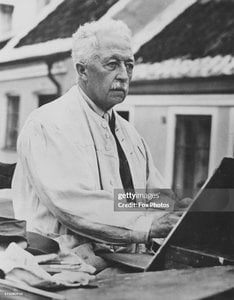
eugen napoleon nicolaus

eugen napoleon nicolaus

1865 - 1947 , Sweden

Informações Rápidas

  • Artistic Movement Or Style: Impressionism
  • Artists Or Movements Influenced By This Artist:
    • The Ashcan School
    • American Impressionism
  • Artists Who Influenced This Artist:
    • William Merritt Chase
    • Jean-Baptiste Camille Corot
  • Date Of Birth: 1865
  • Date Of Death: 1947
  • Full Name: Robert Henri
  • Nationality: American
  • Notable Artworks:
    • The Table
    • Spanish Village
    • Portrait of a Musician
  • Place Of Birth: Cincinnati, Ohio
Explore obras de arte organizadas por temas, estilos e características.