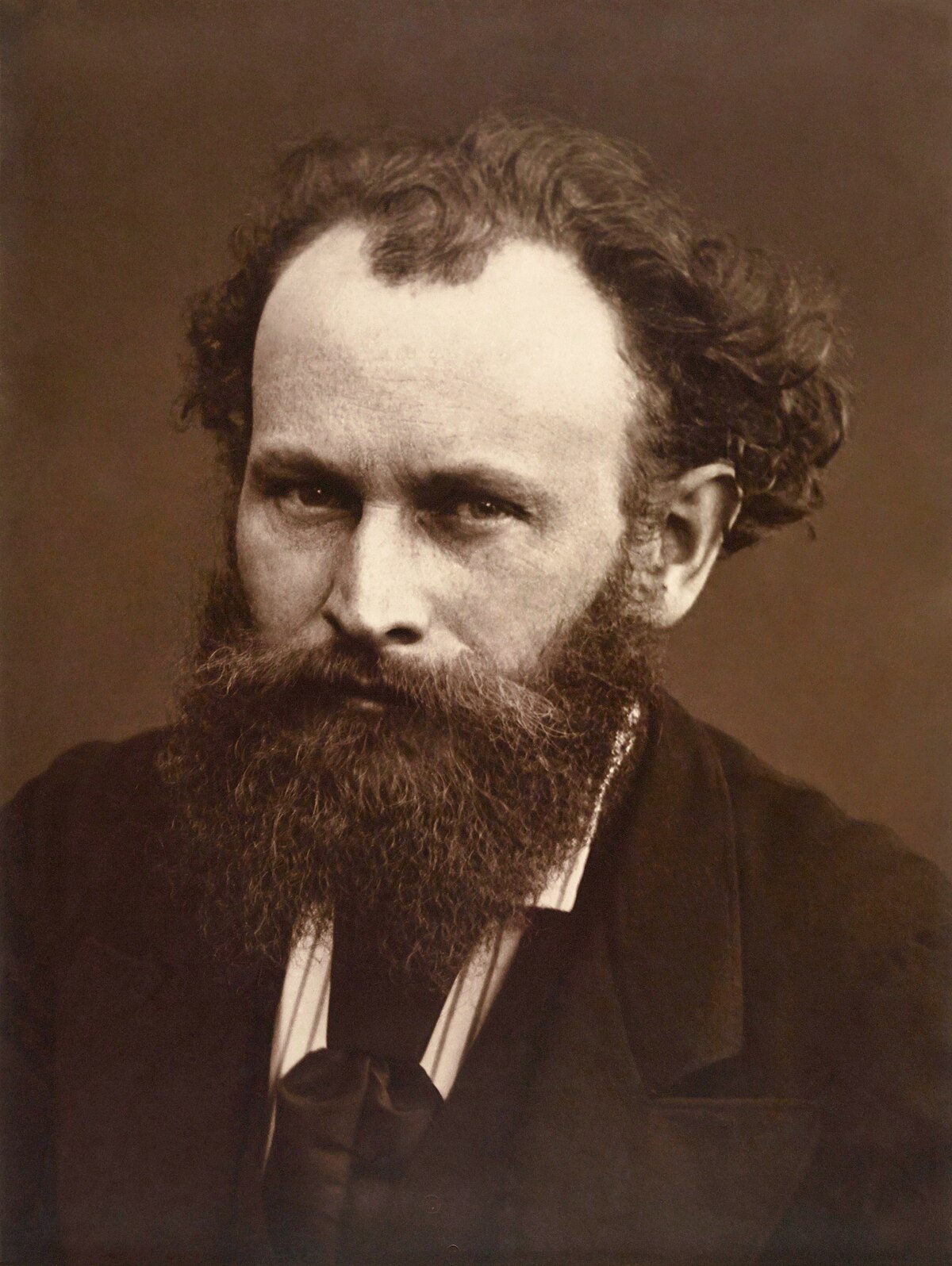
Um Rebelde Parisiense: A Vida e a Arte de Édouard Manet
Édouard Manet, nascido em 1832 no seio de uma confortável família burguesa parisiense, dificilmente estava destinado à vida de um artista revolucionário. Seu pai, um respeitado juiz, vislumbrava um futuro seguro para o filho na advocacia ou talvez na marinha – profissões respeitáveis que condiziam com seu status social. No entanto, desde tenra idade, o coração de Manet pertencia à arte. Aos onze anos, iniciou aulas formais de desenho e, embora brevemente aprendiz do pintor acadêmico Thomas Couture, logo encontrou os métodos rígidos de Couture sufocantes. Essa resistência inicial prenunciava uma vida inteira dedicada a desafiar as convenções artísticas. Manet não se interessava em simplesmente replicar o passado; buscava capturar a vitalidade – e, por vezes, as realidades inquietantes – da moderna vida parisiense. Frequentava o Louvre, não apenas para copiar os Velos Mestres, mas para dissecar suas técnicas, aprendendo com artistas como Caravaggio e Velázquez como a luz e a sombra poderiam esculpir formas e evocar emoções. Contudo, foi uma mudança nas correntes artísticas, particularmente o surgimento do Realismo defendido por Gustave Courbet, que verdadeiramente incendiou o caminho criativo de Manet. A insistência de Courbet em retratar a vida cotidiana sem idealização ressoou profundamente em Manet, libertando-o das amarras de temas históricos ou mitológicos.
Rompendo com a Tradição: Escândalo e Inovação
A década de 1860 marcou um período de intensa fermentação artística em Paris, e Manet encontrou-se no epicentro de tudo isso. A chegada das estampas japonesas – *ukiyo-e* – impactou profundamente sua sensibilidade estética. Ficou cativado por suas perspectivas achatadas, composições ousadas e uso marcante da cor, elementos que se tornariam marcas registradas de seu próprio estilo. Essa influência, combinada com sua crescente rejeição ao polimento acadêmico, levou a obras que chocaram e escandalizaram o mundo artístico parisiense.
Le Déjeuner sur l'herbe (O Almoço na Relva), exibido no Salon des Refusés em 1863 – uma exposição para trabalhos rejeitados pelo Salão oficial – tornou-se um estopim para a controvérsia. A pintura, retratando uma mulher nua casualmente fazendo piquenique com dois homens totalmente vestidos, não se resumia à nudez; tratava-se de *como* essa nudez era apresentada. As figuras de Manet careciam das formas idealizadas e do contexto mitológico dos nus tradicionais. Eram inegavelmente modernas, confrontando o espectador com uma direta inquietude. O escândalo em torno de
Le Déjeuner intensificou-se com sua obra-prima de 1865,
Olympia. Esta pintura, uma reimaginação deliberada da *Vênus de Urbino* de Ticiano, apresentava uma prostituta contemporânea encarando ousadamente o espectador. O realismo implacável e o tema provocativo foram recebidos com ampla condenação. Críticos acusaram Manet de vulgaridade e incompetência artística, mas por baixo da indignação jazia um reconhecimento de que ele estava alterando fundamentalmente a linguagem da pintura.
Uma Ponte para o Impressionismo: Luz, Pincelada e Vida Moderna
Embora Manet nunca tenha abraçado totalmente o rótulo “Impressionista”, sua influência sobre o movimento foi inegável. Compartilhava sua rejeição às convenções acadêmicas e seu compromisso em capturar os efeitos fugazes da luz e da atmosfera. Expôs ao lado de Monet, Renoir, Degas e outros nas exposições independentes dos Impressionistas, solidificando sua posição como uma figura-chave na vanguarda. A técnica de Manet evoluiu para uma pincelada mais solta, priorizando a impressão da forma em detrimento do detalhe preciso. Experimentou com a cor, frequentemente usando contrastes acentuados para criar efeitos dramáticos. Além dos nus escandalosos, Manet explorou uma ampla gama de temas: retratos – incluindo representações marcantes de sua esposa Suzanne e do colega artista Émile Zola; cenas da vida noturna parisiense, como
Um Bar no Folies-Bergère, que captura magistralmente a alienação e o espetáculo da vida urbana moderna; e cenas domésticas íntimas. Ele não se limitava a documentar esses temas; estava interrogando-os, questionando as normas sociais e desafiando concepções convencionais de beleza.
Legado e Impacto Duradouro
A morte prematura de Édouard Manet em 1883 devido à sífilis interrompeu uma carreira que já havia alterado irrevogavelmente o curso da história da arte. Embora sua reputação tenha crescido significativamente após sua morte, seu impacto foi imediatamente sentido por artistas mais jovens que o reconheceram como um libertador. Ele derrubou barreiras, desafiando as noções tradicionais de tema, técnica e propósito artístico.
- Sua ênfase em capturar a vida moderna abriu caminho para o Impressionismo e o Pós-Impressionismo.
- Seu uso inovador da pincelada e da cor influenciou gerações de pintores.
- Sua disposição em confrontar verdades desconfortáveis sobre a sociedade forçou os espectadores a questionarem suas próprias suposições.
As pinturas de Manet continuam a ressoar hoje, não apenas por sua beleza estética, mas também por sua relevância duradoura. Ele permanece uma figura fundamental na transição do Realismo para o Impressionismo e é justamente celebrado como um dos pais fundadores da arte moderna – um rebelde parisiense que ousou pintar o mundo como o via, com todas as suas complexidades e contradições. Sua obra serve como um poderoso lembrete de que a verdadeira inovação artística muitas vezes vem ao custo de desafiar as normas estabelecidas e abraçar as verdades desconfortáveis do nosso tempo.



 Visualizar na parede
 Alternar para Impressão
 Compartilhar
 Compartilhar
 Detalhes
 Guia
Guia

 Baixar imagem
 Semelhantes
 Raio X
 Ver diaporama
 Q&A
Q&A Estatísticas

 Ler mais