Edith Kiss: A Sculptor’s Echoes of Trauma and Resilience
Edith Bán Kiss (1905-1966), later known as Edit née Rott, remains a profoundly compelling figure in 20th-century art – an artist whose life was irrevocably shaped by the horrors of World War II and whose subsequent work serves as a hauntingly intimate testament to survival and remembrance. Born in Budapest, Hungary, into a Jewish family, her early artistic journey unfolded with promise, marked by studies at prestigious art academies in both Budapest and Düsseldorf. However, this trajectory abruptly shifted during the tumultuous years of the war, culminating in a devastating experience within the Ravensbrück concentration camp – an event that would indelibly inform her creative vision and profoundly impact her life’s narrative. Her story is not merely one of artistic talent; it's a poignant exploration of resilience, trauma, and the enduring power of art to bear witness.
The Crucible of Ravensbrück: A Life Interrupted
Edith’s deportation to Ravensbrück in 1944 represents a brutal interruption to her life and career. The camp experience was characterized by unimaginable hardship – forced labor, starvation, and constant threat. Yet, amidst this darkness, Edith found an outlet for her inner turmoil through art. Following her release from the camp, she embarked on a deeply personal project: the creation of thirty gouache sketches, collectively known as “Deportation.” These weren’t grand historical paintings; rather, they were intimate, almost claustrophobic depictions of daily life within the camps – scenes of weary faces, cramped living quarters, and the ever-present shadow of fear. The sketches captured not just the physical conditions but also the profound psychological impact of imprisonment, conveying a sense of isolation, despair, and quiet determination. The initial reception of these works in Budapest was surprisingly muted, reflecting a broader societal reluctance to confront the full extent of the Holocaust’s horrors. However, her work gained recognition later on, solidifying her place as an artist who dared to document one of history's darkest chapters.
A Style Forged in Fire: Expressionism and Realism
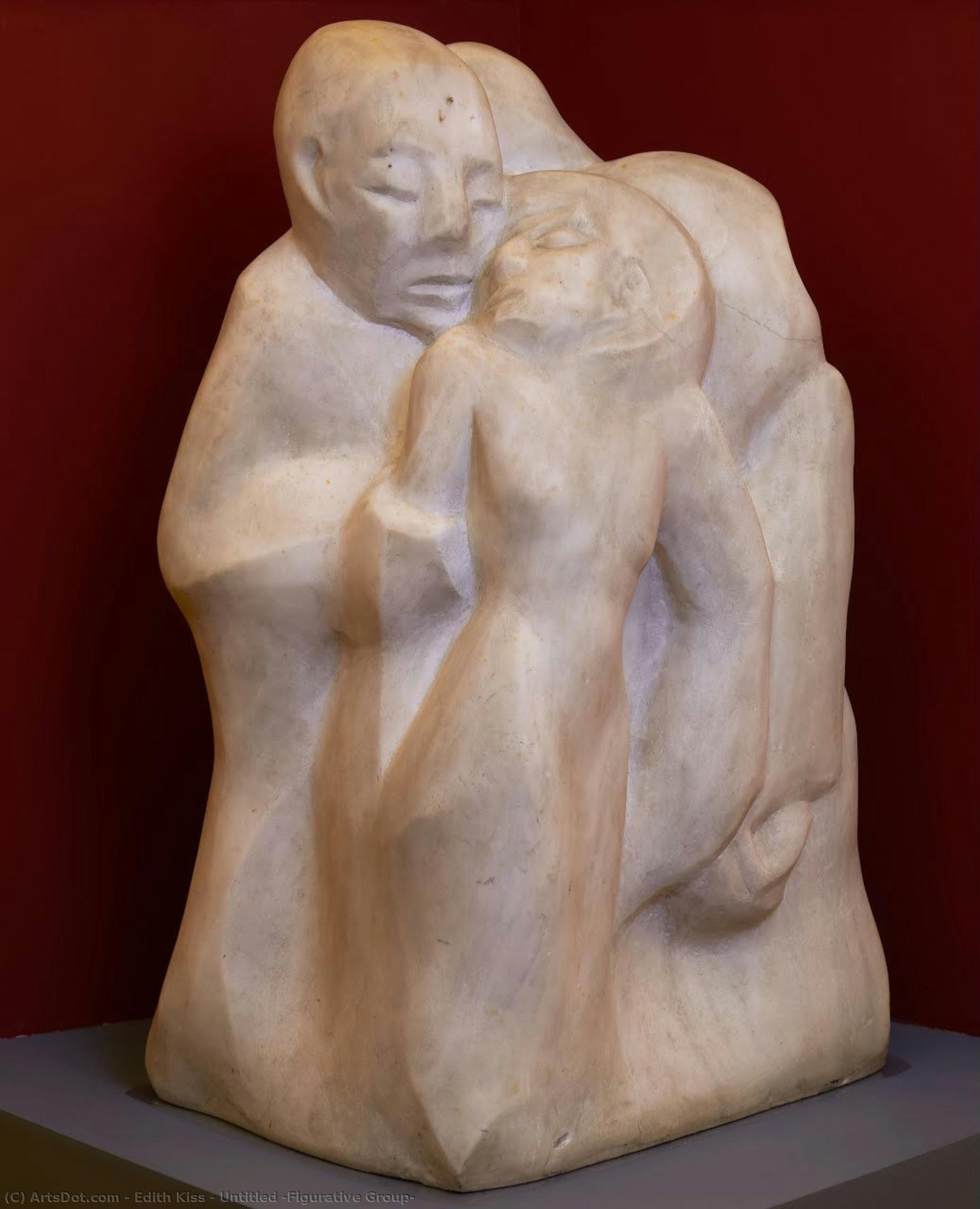
Edith Kiss’s artistic style is immediately recognizable for its potent blend of expressionism and realism. The influence of the Expressionist movement is evident in the use of bold colors, distorted forms, and emotionally charged brushstrokes – techniques employed to convey the intensity of her experiences. Yet, beneath this expressive surface lies a meticulous attention to detail and a commitment to realistic representation, particularly in her depictions of human faces and figures. This combination creates an arresting effect: images that are both deeply personal and universally resonant. Her sculptures, showcased on platforms like WahooArt.com and featured at the Lehmbruck Museum in Germany, further demonstrate this stylistic duality – often incorporating raw, textured surfaces alongside carefully rendered forms. The Daimler-Benz factory where she was forced to work during her time in Ravensbrück also influenced her style, imbuing a sense of industrial grit and mechanical precision into some of her pieces.
Legacy and Remembrance: Beyond the Shadows
Despite initial lack of recognition, Edith Kiss’s work has steadily gained prominence over the decades. The rediscovery of her “Deportation” series in 1992, spearheaded by Helmuth Bauer, brought renewed attention to her artistic legacy. Exhibitions at institutions like the Museum Ostdeutsche Galerie in Germany and the Musée Fabre in France have ensured that her art is seen by a wider audience. Her story serves as a stark reminder of the human cost of war and the importance of preserving the memories of those who suffered during the Holocaust. Furthermore, her work continues to be studied for its psychological depth and its ability to evoke empathy and understanding. Edith Kiss’s legacy extends beyond the confines of the art world; she is remembered as a courageous artist who transformed personal tragedy into a powerful form of artistic expression – an echo of trauma that resonates with profound emotional force.
Further Exploration
For more information about Edith Kiss's life and work, please visit these resources:



 Comprar impressão
 Enviar
 Compartilhar
 Detalhes da obra

 Baixar
 Semelhantes
 Raio X
 Slideshow


 Ver mais






































 A opção de vidro está disponível apenas para tamanhos inferiores a 110 cm





