Visualizar na paredeVisualizar na parede Ver em RAVer em RA Comprar pintura feita à mão Comprar pintura feita à mãoAlternar para Imagem Digital Alternar para Imagem Digital CompartilharCompartilhar
DetalhesDetalhes Adicionar aos favoritos Adicionar aos favoritos Baixar imagemBaixar imagem SemelhantesSemelhantes Raio XRaio X SlideshowSlideshow EstatísticasEstatísticas

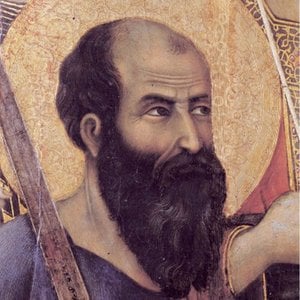
Ezequiel

Descubra ‘Ezequiel’ de Duccio di Buoninsegna, uma impressionante pintura em painel do início do Renascimento. Admire a folha de ouro, a escala hierárquica e o pergaminho simbólico na história da arte de Siena.

Descubra Duccio di Buoninsegna (c.1255-1319), um pintor italiano crucial da Escola Sienesa e do Gótico. Explore sua obra inovadora, como a Maestà e a Rucellai Madonna, com profundidade emocional.

Giclée / Impressão de Arte

Impressão giclée ou em tela de qualidade de museu, com produção rápida e opções flexíveis de acabamento. (Comprar pintura feita à mão Comprar pintura feita à mãoAlternar para Imagem Digital Alternar para Imagem Digital)

P118B $10
P118H $10
P118W $10
P438Z $10
P508JH $12
P508YH $12
P805H $10
P805Z $10
P919BZ $10
P919G $10
P919XJ $10
P959ZH $10
P968JZ $12
W106C $8
W218G $10
W218JH $8
W218Y $10
W307PJ $10
W316G $10
W316PJ $8
W316Y $10
W398PJ $8
W4111J $10
W500HY $15
W500JH $15
W692G $12
W849H $8
W940BG $15
W953PJ $8

Tamanho padrão
personalizado
CM
INCH

Escolha entre os nossos tamanhos pré-definidos que respeitam as proporções originais da obra de arte.

largura
altura

Você pode inserir suas próprias dimensões para se ajustar a uma moldura ou espaço específico. Se o tamanho selecionado não corresponder às proporções da imagem original, iremos recortar a obra de arte ou estender a imagem com uma borda espelhada ou preenchimento sólido. Um mockup digital será enviado para sua aprovação antes do início da produção.
Por favor, observe que a visualização na tela não reflete o recorte ou a extensão real. Apenas o mockup mostrará com precisão a composição final.
Embora tamanhos personalizados estejam disponíveis, recomendamos selecionar uma dimensão da lista predefinida para preservar as proporções originais.

Entrega mundial () em 2 semanas, em vez das 4/5 semanas padrão. (10 Setembro)

why_choose_icon
Envio expresso gratuito para todo o mundo
why_choose_icon
Tela de Linho de Alta Qualidade
why_choose_icon
Seguro de transporte completo
why_choose_icon
Garantia de Reembolso de Impostos Alfandegários
why_choose_icon
Garantia de Fidelidade Cromática
why_choose_icon
Política de Devolução de 100 Dias (Apenas Defeitos)
why_choose_icon
Garantia de reembolso de 100%
why_choose_icon
Oferta de desconto por quantidade

Preço Total

$ 68

reproduction

Ezequiel

Giclée / Impressão de Arte

Tamanho da Reprodução

-

Preço Total

$ 68

Informações Rápidas

  • notable elements: Scroll, gold leaf background
  • movement: Early Italian Renaissance, Sienese School, Trecento
  • title: Ezekiel
  • style: Flattened perspective, symbolic representation, rich color application, hierarchical scale, geometric lines and shapes
  • medium: Oil paint, gold leaf on wooden panel
  • artist: Duccio di Buoninsegna
  • influences: Byzantine art

Quiz de Arte

Cada pergunta possui apenas uma resposta correta.

Pergunta 1:
To what artistic period does 'Ezekiel' by Duccio di Buoninsegna primarily belong?
Pergunta 2:
What is a prominent material used in the creation of 'Ezekiel' that contributes to its sacred atmosphere?
Pergunta 3:
The composition of 'Ezekiel' utilizes what technique to emphasize the importance of the central figure?
Pergunta 4:
Based on the description, which best characterizes the painting’s spatial representation?
Pergunta 5:
What symbolic object is held by the figure in 'Ezekiel', suggesting a connection to wisdom or teaching?

Uma Visão de Autoridade: ‘Ezequiel’ de Duccio

Esta cativante pintura em painel de Duccio di Buoninsegna, criada em 1308, oferece um vislumbre profundo do início do Renascimento italiano e da paisagem em constante evolução da arte religiosa. Com apenas 43 x 16 cm, esta obra íntima possui um poder duradouro que desafia as suas dimensões. Embora seja frequentemente identificada como Santo Agostinho, a iconografia da figura alinha-se fortemente com as representações do profeta Ezequiel – um visionário cujos pronunciamentos moldaram a teologia judaico-cristã.

Estilo e Técnica: O Brilho do Gótico Sienense

Duccio foi uma figura fundamental na Escola de Pintura de Siena, e ‘Erente’ exemplifica as suas características distintivas. A obra demonstra um claro afastamento das estritas tradições bizantinas que anteriormente dominavam a arte italiana. Ao mesmo tempo que retém elementos como o fundo de folha de ouro – simbólico do espaço divino – Duccio introduz um naturalismo nascente. A perspectiva achatada, típica do período, enfatiza o reino espiritual em vez do físico. O artista utiliza magistralmente a têmpera e a folha de ouro sobre painel de madeira, construindo camadas de tinta para criar texturas subtis e luminosidade. Note-se a modelagem delicada nas dobras do drapeado e no rosto, alcançada através de uma aplicação matizada de luz e sombra. As linhas são predominantemente retas e geométricas, conferindo um sentido de ordem e estabilidade à composição.

Simbolismo e Iconografia

O elemento central – o pergaminho erguido por Ezequiel – é rico em significado. Ele representa a sabedoria divina, as escrituras ou o conhecimento profético. O gesto de Ezequiel significa o seu papel como mensageiro de Deus, entregando ensinamentos importantes à humanidade. A escala hierárquica empregada por Duccio reforça esta importância; a figura domina a composição, afirmando visualmente a sua autoridade espiritual. O uso da folha de ouro não é meramente decorativo; ele eleva a cena, significando a sua natureza sagrada e conectando-a ao reino celestial.

Contexto Histórico: Um Ponto de Inflexão na Arte Italiana

Criada durante um período de significativa transição artística, ‘Ezequiel’ reflete a abordagem inovadora de Duccio. Ele foi comissionado para inúmeras obras importantes por toda a Itália, e o seu estilo começou a romper com as rígidas convenções bizantinas. O trabalho de Duccio pavimentou o caminho para mestres posteriores como Giotto, influenciando o desenvolvimento da pintura italiana em direção a um maior realismo e profundidade emocional. Esta peça teria sido originalmente parte de um contexto devocional maior, provavelmente um retábulo ou a decoração de uma capela privada, destinada a inspirar contemplação e reverência.

Impacto Emocional e Considerações de Design de Interiores

‘Ezequiel’ evoca um sentido de solenidade, autoridade e profunda percepção espiritual. O olhar da figura é direto e inabalável, convidando o espectador para um momento de reflexão silenciosa. A rica paleta de cores – azuis profundos, vermelhos e dourados – cria uma imagem visualmente impactante que exige atenção. Para o design de interiores, esta obra de arte (ou uma reprodução de alta qualidade) seria particularmente adequada para:
  • Bibliotecas ou escritórios, realçando uma atmosfera de busca intelectual.
  • Espaços de meditação, promovendo a contemplação e a serenidade.
  • Salas de jantar, adicionando um toque de elegância histórica e sofisticação.
  • Como parte de uma parede de galeria que exiba a arte do Renascimento.
O seu tamanho relativamente pequeno torna-a versátil para vários ambientes. A folha de ouro refletirá lindamente a luz, criando uma ambiência calorosa e convidativa. ‘Ezequiel’ não é meramente uma pintura; é uma janela para o mundo artístico e espiritual da Itália do século XIV – uma obra-prima atemporal que continua a ressoar com os espectadores de hoje.

Biografia do Artista

The Sienese Luminary: Duccio di Buoninsegna and the Dawn of a New Italian Vision

Duccio di Buoninsegna, born in Siena around 1255, stands as a pivotal figure bridging the stylistic chasm between the Byzantine world and the burgeoning artistic sensibilities of Italy. While biographical details remain frustratingly scarce—the man himself often obscured by the brilliance of his art—his impact on the Sienese School and the trajectory of Italian painting is undeniable. He emerged during a period where religious iconography was deeply entrenched, yet a yearning for greater naturalism and emotional resonance was beginning to stir within artistic circles. Duccio wasn’t merely a painter; he was an innovator who dared to infuse sacred narratives with human feeling, subtly shifting the focus from rigid formality towards a more intimate connection between the divine and the earthly realm. His early training remains somewhat mysterious, though speculation suggests possible influences ranging from Florentine masters to direct exposure to Byzantine artistry—perhaps even travels to Constantinople itself. Whatever his formative experiences, they coalesced into a unique style that would define an era.

A Synthesis of Tradition and Innovation

Duccio’s artistic development wasn't a sudden rupture with the past but rather a graceful evolution. His initial works were deeply rooted in Byzantine conventions: the lavish use of gold leaf to evoke celestial light, stylized figures possessing an ethereal quality, and a meticulous attention to religious symbolism. However, even within these established parameters, Duccio began to subtly introduce elements that foreshadowed his later innovations. He experimented with spatial arrangements, hinting at depth where flatness had previously reigned supreme. His color palettes, while still vibrant, gained a newfound subtlety and harmony. More importantly, he started imbuing his figures with a nascent sense of humanity—a gentle curve of the mouth suggesting a smile, a slight tilt of the head conveying contemplation. This wasn’t a rejection of Byzantine ideals but a refinement, an infusion of life into what had often been static representations. He skillfully blended tradition and innovation, creating a style that was both reverent and remarkably fresh.

Masterpieces of Faith and Artistry

Two works stand as testaments to Duccio’s genius: the *Rucellai Madonna* (1285) and, most famously, the *Maestà* (1308-1311). The *Rucellai Madonna*, commissioned for a chapel in Florence, marked a significant departure from conventional Byzantine iconography. Its composition, while still adhering to traditional forms, displayed a greater sense of spatial organization and a more naturalistic depiction of the Virgin Mary and Child. But it was the *Maestà*—a monumental altarpiece created for Siena Cathedral—that truly cemented Duccio’s legacy. This sprawling masterpiece comprises numerous panels depicting scenes from the life of the Virgin Mary and Christ, each one a miniature work of art in itself. The Maestà is not merely a collection of paintings; it's a visual narrative, unfolding with breathtaking detail and emotional depth. Duccio’s mastery of light and shadow, his ability to convey complex emotions through subtle gestures, and his innovative use of perspective all converge in this single, awe-inspiring work. Beyond these monumental pieces, works like *Polyptych No. 28* demonstrate his continued compositional skill and meticulous attention to detail.

Influences and Legacy

Duccio’s artistic journey was shaped by a complex interplay of influences. While deeply rooted in Byzantine tradition—particularly the luminosity and stylized figures characteristic of that era—he also absorbed elements from Florentine art, notably the naturalism and psychological depth championed by Giotto. Some scholars suggest he may have spent time in Paris, encountering the Gothic style prevalent there at the time. This synthesis of influences resulted in a uniquely Sienese style characterized by its elegance, emotional intensity, and innovative use of space. His work profoundly impacted subsequent generations of Italian painters, shaping the development of the Sienese School and contributing to the broader evolution of Italian painting. He helped define the Trecento art movement, leaving an indelible mark on the history of Western painting.

A Lasting Legacy: Shaping the Future of Italian Art

Duccio di Buoninsegna’s influence extended far beyond his lifetime. He revolutionized Italian painting, paving the way for the development of the Sienese School—a distinct artistic tradition characterized by its elegance, refinement, and emotional intensity. His emphasis on naturalism, spatial depth, and human emotion directly impacted subsequent generations of artists, influencing not only those within Siena but also painters in Florence and beyond. While Giotto is often credited with initiating the Renaissance style, Duccio’s contributions were equally crucial, laying the groundwork for the artistic innovations that would define the 14th century and beyond.

  • He pioneered new approaches to depicting space and perspective.
  • His paintings are renowned for their vibrant and harmonious color schemes.
  • He infused his figures with a sense of humanity and emotional resonance.

Despite facing financial hardships during his life, Duccio’s artistic legacy endures. His masterpieces continue to inspire awe and admiration, serving as a powerful reminder of the transformative power of art. He helped define the Trecento art movement, leaving an indelible mark on the history of Western painting.

Duccio di Buoninsegna

Duccio di Buoninsegna

1255 - 1319 , Itália

Dados Rápidos

  • Artistic Movement Or Style: Gótico Sienês
  • Artists Or Movements Influenced By This Artist: ['Escola Sienesa']
  • Artists Who Influenced This Artist: ['Arte Bizantina']
  • Date Of Birth: c. 1255
  • Date Of Death: 1319
  • Full Name: Duccio di Buoninsegna
  • Nationality: Italiano
  • Notable Artworks:
    • Maestà
    • Rucellai Madonna
  • Place Of Birth: Siena, Itália
Explore obras de arte organizadas por temas, estilos e características.