Biografia do Artista
Early Life and Artistic Beginnings
Donato di Niccolò di Betto Bardi, universally known as Donatello, emerged from the bustling heart of Florence around 1386 – a city already brimming with artistic innovation and ambition. His early life remains somewhat shrouded in mystery, yet it’s clear that his formative years were deeply intertwined with the burgeoning world of Florentine sculpture. Unlike many artists of his time who benefited from established family legacies, Donatello's origins were modest; his father, Niccolò di Betto Bardi, was a wool carder – a profession rooted in commerce rather than artistic tradition. However, this seemingly unremarkable background provided him with access to the workshops and studios where young sculptors honed their skills.
Donatello’s formal training likely began around 1400, finding employment within the workshop of Lorenzo Ghiberti, a master sculptor renowned for his groundbreaking bronze doors for the Florence Cathedral (the Duomo). Ghiberti's studio served as a crucible of artistic experimentation, and Donatello absorbed countless techniques and principles during his time there. He was exposed to the intricate details of classical sculpture – a cornerstone of Renaissance art – alongside the established conventions of Gothic style prevalent at the time. This exposure would profoundly shape his future work, leading him to blend classical ideals with innovative approaches that distinguished him from his contemporaries.
Key Works and Artistic Innovations
Donatello’s artistic trajectory truly began to unfold in the mid-1420s, marked by a series of groundbreaking works that challenged established norms and captivated audiences. His most celebrated achievement, undoubtedly, is the bronze *David* – a monumental figure that redefined the representation of the male nude in Western art. Unlike previous depictions of David, which often portrayed him as a youthful shepherd boy, Donatello’s version captured the hero at the moment of confronting Goliath, radiating an aura of intense determination and physical prowess. This wasn't merely a replication of biblical narrative; it was a profound exploration of human potential and courage – a testament to Donatello’s ability to infuse his sculptures with psychological depth.
Beyond *David*, Donatello produced a remarkable array of works that showcased his versatility and technical mastery. The *St. Louis of Toulouse* at the Basilica di Santa Croce, for instance, exemplifies his command of classical forms and architectural integration. The sculpture's elegant drapery and serene expression are complemented by a carefully designed classical frame, demonstrating Donatello’s willingness to borrow from antiquity while maintaining his own distinctive style. Similarly, his *Sacrifice of Isaac* for the campanile of Santa Maria del Fiore in Florence is characterized by strikingly realistic portrait details – a departure from the idealized figures common in earlier Renaissance sculpture. The work's dramatic composition and emotional intensity further solidified Donatello’s reputation as a sculptor capable of capturing the essence of human experience.
Artistic Style and Historical Context
Donatello’s artistic style evolved through distinct phases, reflecting both his personal development and the broader currents of the Italian Renaissance. Initially, his work exhibited a strong influence from Ghiberti's International Gothic style – characterized by graceful lines and subtle details. However, as he matured, Donatello increasingly embraced classical ideals, incorporating elements of Roman sculpture into his own creations. This shift is particularly evident in *David*, where the figure’s contrapposto stance (a naturalistic pose with weight shifted to one leg) and muscular anatomy are clearly indebted to ancient Greek models.
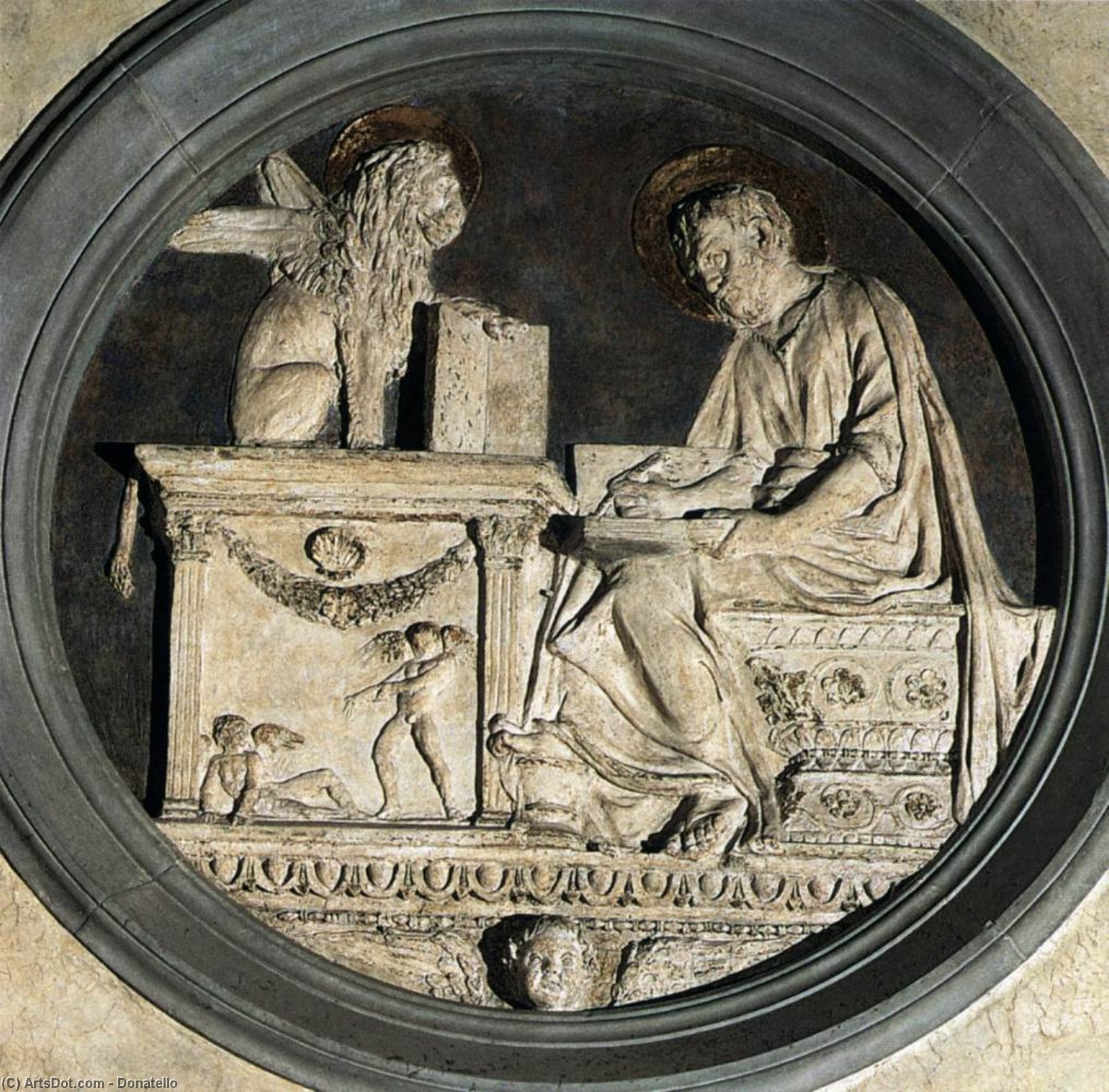
Furthermore, Donatello's style was marked by a willingness to experiment with new techniques and materials. He pioneered the use of “rilievo schiacciato” – a shallow relief technique that created an illusion of depth and volume. This approach allowed him to achieve remarkable detail in smaller works while maintaining a sense of dynamism and spatial awareness. His innovative use of bronze, particularly his mastery of lost-wax casting, further distinguished his work from that of his contemporaries.
Donatello’s artistic legacy extends far beyond his individual masterpieces. He profoundly influenced subsequent generations of sculptors, including Michelangelo Buonarroti, who famously declared that “all the artists of Christendom have been imitating Donatello.” His emphasis on realism, psychological depth, and classical ideals helped to shape the course of Renaissance art, leaving an indelible mark on Western artistic tradition.
Museums and Artistic Legacy
Donatello’s sculptures are scattered across numerous museums and collections throughout Italy and beyond. The Museo della Collegiata in Empoli houses a remarkable collection of early Italian Renaissance art, including works by Francesco Botticini and Raffaello Botticini – providing valuable insights into Donatello's artistic development. The Museo Nazionale del Bargello in Florence proudly displays *St. George*, a testament to Donatello’s mastery of bronze sculpture. Similarly, the Basilica di Santa Croce in Venice houses the iconic *St. Louis of Toulouse*. The Baptistery of Siena features his relief work, including the dramatic depiction of *The Sacrifice of Isaac*. Finally, the Palazzo Vecchio in Florence retains *Judith Slaying Holofernes*, a powerful and unsettling portrayal of violence and triumph.
Donatello’s impact on art history is undeniable. His innovative techniques, expressive figures, and profound understanding of human nature continue to inspire artists and captivate audiences today. He remains one of the most celebrated sculptors of all time – a true pioneer of the Renaissance and a master of his craft.



 Comprar impressão
 Enviar
 Compartilhar
 Detalhes

 Baixar
 Semelhantes
 Raio X
 Slideshow


 Ver mais





