Visualizar na parede Visualizar em RA Alternar para Impressão Alternar para Imagem Digital Compartilhar
Detalhes Guia Adicionar aos favoritos Baixar imagem Semelhantes Raio X Ver diaporama Estatísticas

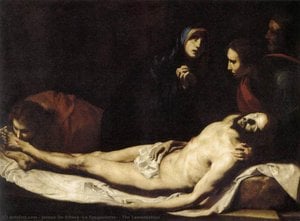
Pietà

Discover Charles Le Brun’s ‘Pietà,’ a breathtaking Baroque masterpiece at the Louvre. Explore its emotional intensity, oil-on-canvas detail & biblical significance – a must-see for art lovers.

"meta_description": "Charles Le Brun (1619-1690) foi um pintor barroco francês, figura chave na arte de Luís XIV e conhecido por decorar Versailles. Sua obra combina história, retrato e design, influenciando a estética francesa."

Reprodução em Óleo Feita à Mão

Óleo sobre tela pintado à mão no tamanho e moldura de sua escolha, feito sob encomenda pelos nossos artistas. ( Alternar para Impressão Alternar para Imagem Digital)

Corner sample of the P118B picture frame: poliestireno moldado, 5 cm wide and 3 cm thick
P118B €10
Corner sample of the P118H picture frame: poliestireno moldado, 5 cm wide and 3 cm thick
P118H €10
Corner sample of the P118W picture frame: poliestireno moldado, 5 cm wide and 3 cm thick
P118W €10
Corner sample of the P438Z picture frame: poliestireno moldado, 5.5 cm wide and 3.5 cm thick
P438Z €10
Corner sample of the P508JH picture frame: poliestireno moldado, 7 cm wide and 3.5 cm thick
P508JH €12
Corner sample of the P508YH picture frame: poliestireno moldado, 7 cm wide and 3.5 cm thick
P508YH €12
Corner sample of the P805H picture frame: poliestireno moldado, 5 cm wide and 3.5 cm thick
P805H €10
Corner sample of the P805Z picture frame: poliestireno moldado, 5 cm wide and 3.5 cm thick
P805Z €10
Corner sample of the P919BZ picture frame: poliestireno moldado, 7 cm wide and 3.5 cm thick
P919BZ €10
Corner sample of the P919G picture frame: poliestireno moldado, 7 cm wide and 3.5 cm thick
P919G €10
Corner sample of the P919XJ picture frame: poliestireno moldado, 7 cm wide and 3.5 cm thick
P919XJ €10
Corner sample of the P959ZH picture frame: poliestireno moldado, 5 cm wide and 3 cm thick
P959ZH €10
Corner sample of the P968JZ picture frame: poliestireno moldado, 6 cm wide and 4 cm thick
P968JZ €12
Corner sample of the W106C picture frame: madeira maciça, 5 cm wide and 3 cm thick
W106C €8
Corner sample of the W218G picture frame: madeira maciça, 5 cm wide and 3 cm thick
W218G €10
Corner sample of the W218JH picture frame: madeira maciça, 5 cm wide and 3 cm thick
W218JH €8
Corner sample of the W218Y picture frame: madeira maciça, 5 cm wide and 3 cm thick
W218Y €10
Corner sample of the W307PJ picture frame: madeira maciça, 6 cm wide and 3 cm thick
W307PJ €10
Corner sample of the W316G picture frame: madeira maciça, 6 cm wide and 3 cm thick
W316G €10
Corner sample of the W316PJ picture frame: madeira maciça, 6 cm wide and 3 cm thick
W316PJ €8
Corner sample of the W316Y picture frame: madeira maciça, 6 cm wide and 3 cm thick
W316Y €10
Corner sample of the W398PJ picture frame: madeira maciça, 5 cm wide and 3 cm thick
W398PJ €8
Corner sample of the W4111J picture frame: madeira maciça, 6.5 cm wide and 3.5 cm thick
W4111J €10
Corner sample of the W500HY picture frame: madeira maciça, 7 cm wide and 5 cm thick
W500HY €15
Corner sample of the W500JH picture frame: madeira maciça, 7 cm wide and 5 cm thick
W500JH €15
Corner sample of the W692G picture frame: madeira maciça, 8 cm wide and 4 cm thick
W692G €12
Corner sample of the W849H picture frame: madeira maciça, 5 cm wide and 3 cm thick
W849H €8
Corner sample of the W940BG picture frame: madeira maciça, 7.5 cm wide and 4.5 cm thick
W940BG €15
Corner sample of the W953PJ picture frame: madeira maciça, 6 cm wide and 3.5 cm thick
W953PJ €8

Tamanho padrão
personalizado
CM
INCH

Escolha entre os nossos tamanhos pré-definidos que respeitam as proporções originais da obra de arte.

largura
altura

Insira a largura e a altura desejadas para se ajustarem à sua moldura ou parede. Como esta obra é pintada à mão, para um tamanho com proporções diferentes, o artista poderá pintar um pouco mais ao redor da imagem ou reduzir ligeiramente a composição — você escolhe. Enviamos uma maquete digital para sua aprovação antes de iniciar a pintura. A imagem exibida nesta página não representa o resultado real — apenas a maquete mostra o resultado final.

Exemplos do que pode ser personalizado: Substituir o rosto pela foto do cliente; Adicionar um animal de estimação (ex: substituir gato por cão); Incluir uma mensagem oculta no fundo; Alterar a paisagem ou elementos do fundo.
Após o pedido, a equipa WahooArt.com enviará um e-mail ao cliente para solicitar instruções e fornecer uma prévia do esboço.

Entrega mundial () em 3 a 4 semanas, em vez das 5 semanas padrão. (26 Outubro). Sem comprometer a qualidade.

Envio expresso gratuito para todo o mundo
Tela de Linho de Alta Qualidade
Seguro de transporte completo
Garantia de Reembolso de Impostos Alfandegários
Garantia de Fidelidade Cromática
Política de Devolução em 100 Dias (Apenas para Defeitos)
Garantia de reembolso de 100%
Oferta de desconto por quantidade

Preço Total

€ 261

Pietà

Técnica de Reprodução

Tamanho da Reprodução

-

Preço Total

€ 261

Informações Rápidas

  • Year: 1643
  • Dimensions: 146 x 222 cm
  • Influences: Nicolas Poussin
  • Subject or theme: Biblical narrative; Suffering; Faith
  • Title: Pietà
  • Notable elements or techniques: Dramatic lighting; Detailed drapery

Quiz de Arte

Cada pergunta possui apenas uma resposta correta.

Pergunta 1:
What is the primary subject matter of Charles Le Brun’s ‘Pietà’?
Pergunta 2:
Where is Charles Le Brun’s ‘Pietà’ currently housed?
Pergunta 3:
What artistic movement is Charles Le Brun associated with?
Pergunta 4:
Which technique did Le Brun utilize in creating ‘Pietà’?
Pergunta 5:
What is a notable characteristic of the lighting employed in ‘Pietà’?

A Moment Frozen in Time: The Emotional Resonance of Le Brun’s Pietà

In the hallowed stillness of the Musée du Louvre, there exists a canvas that does more than merely depict a biblical event; it captures the very essence of human grief. Charles Le Brun’s Pietà, painted in 1643, is a monumental achievement of the Baroque era, serving as a profound meditation on sorrow, faith, and the weight of mortality. Originally commissioned for the Sainte-Chapelle in Paris—a sanctuary dedicated to the relics of Christ—this oil on canvas was designed to evoke spiritual contemplation through its sheer emotional gravity. As viewers encounter the work, they are not just observing a scene from the Passion; they are invited into a sacred space where the boundaries between the divine and the human dissolve.

The painting centers on the poignant aftermath of the crucifixion, presenting the Virgin Mary cradling the lifeless form of her son. Le Brun masterfully employs a pyramidal composition, a technique that provides a sense of structural stability to an otherwise turbulent emotional scene. This geometric arrangement directs the eye upward, guiding the observer from the heavy, slumped weight of Christ’s body toward the serene yet heartbroken countenance of Mary. The interplay of light and shadow, known as chiaroscuro, is utilized with breathtaking precision. A singular, dramatic light source illuminates the central figures against a dark, indistinct background, stripping away all worldly distractions to focus the soul entirely on the tragedy unfolding within the frame.

Mastery of Technique and the Baroque Spirit

To understand the Pietà is to understand the hand of Charles Le Brun, a titan of French art who shaped the aesthetic standards of the age. His technique reflects the rigorous training he received under masters like Simon Vouet and his transformative years in Rome alongside Nicolas Poussin. In this work, Le Brun achieves a perfect balance between dramatic realism and idealized beauty. The texture of the painting is remarkably rich; one can almost feel the heavy, flowing drapery of Mary’s robes as they cascade around the figures, adding a sense of dynamic movement to the stillness of death. His brushwork captures the subtle nuances of skin, the limpness of muscle, and the intricate folds of fabric, all rendered with an exacting detail that speaks to his mastery of the medium.

Beyond its technical brilliance, the artwork serves as a profound symbolic vessel. The scene is steeped in Christian iconography, representing the ultimate sacrifice and the enduring devotion of the faithful. The presence of figures like Joseph of Arimathea and Mary Magdalene adds layers of communal mourning, yet the focus remains on the intimate bond between mother and son. For the collector or the lover of fine art, this piece offers more than just visual splendor; it provides a window into the 17th-century French soul. It is an ideal centerpiece for those seeking to infuse a space with historical depth, intellectual rigor, and a sense of timeless, quiet majesty.

Perguntas e Respostas

Quão harmoniosas são as cores de "Pietà" entre si?

As cores de "Pietà", de Charles Le Brun apresentam uma harmonia Softly Mixed Palette. A harmonia descreve como as cores se relacionam entre si.

Qual é a situação dos direitos autorais de "Pietà", de Charles Le Brun?

"Pietà", de Charles Le Brun está em em domínio público — seus direitos autorais expiraram. O período de direitos autorais conta a partir do falecimento do artista, ocorrido em 1690.

"Pietà" é uma obra famosa do Baroque?

"Pietà", de Charles Le Brun é classificada como Iconic e pertence ao movimento Baroque.


Biografia do Artista

Early Life and Training

Nascido em Paris, em 1619, Charles Le Brun revelou um talento artístico precoce que o levou a entrar aos onze anos no estúdio de Simon Vouet, sob a proteção do Chanceler Séguier. Este encontro inicial com Vouet, um dos pintores mais renomados da época, lançaria as bases para sua futura trajetória artística. Le Brun continuou seus estudos com François Perrier, um mestre que lhe transmitiu conhecimentos técnicos e apreciação pela tradição pictórica francesa. Aos quinze anos, recebeu suas primeiras encomendas de Cardinal Richelieu, demonstrando desde cedo uma habilidade notável e a capacidade de atender às exigências dos poderosos mecenas da corte.

Um período crucial em sua formação foi a estadia de quatro anos em Roma (1642-1646), onde trabalhou sob a orientação de Nicolas Poussin, um dos maiores pintores barrocos e influente teórico da arte. A experiência romana foi transformadora para Le Brun, moldando seu estilo artístico e aprofundando sua compreensão teórica sobre a pintura. Em Roma, estudou a escultura clássica, copiou obras de mestres como Rafael, absorvendo as influências tanto da antiguidade greco-romana quanto dos grandes mestres italianos contemporâneos.

Artistic Development and Style

Ao retornar a Paris em 1646, Le Brun rapidamente conquistou reconhecimento e o patrocínio de importantes figuras da corte. Seu estilo inicial refletia as influências de Vouet e Poussin, mas ele gradualmente desenvolveu uma abordagem mais pessoal e expressiva. Le Brun abandonou a mera imitação dos modelos clássicos, buscando um estilo mais dinâmico e vigoroso, característico do Barroco. Ele se tornou conhecido por suas grandiosas pinturas históricas, retratos luxuosos e trabalhos decorativos elaborados, marcados por composições dramáticas, cores ricas e detalhes minuciosos.

Uma série de obras que narram a história de Alexandre, o Grande, demonstrou sua capacidade de combinar a narrativa histórica com a grandiosidade artística. Le Brun não se limitou a reproduzir eventos passados; ele os reinterpretava com um senso de drama e emoção, utilizando a pintura como um meio para transmitir ideias e valores. Sua habilidade em dominar as técnicas da composição, do colorido e da luz o consagrou como um dos principais artistas do seu tempo.

Major Achievements and Royal Service

A carreira de Le Brun atingiu seu auge durante o reinado de Luís XIV, que o nomeou Primeiro Pintor do Rei em 1664. Esta posição lhe conferiu uma influência sem precedentes sobre a arte francesa. Ele desempenhou um papel fundamental na decoração do Palácio de Versalhes, criando obras icônicas como a Escadaria dos Embaixadores, o Salão dos Espelhos e os Salões da Paz e da Guerra. Estes projetos consolidaram sua reputação como um mestre decorador e designer, capaz de transformar espaços e criar ambientes grandiosos e imponentes.

Além da decoração palaciana, Le Brun foi responsável por projetar inúmeras esculturas para os jardins de Versalhes, demonstrando sua versatilidade artística. Ele também fundou a Academia Francesa de Pintura e Escultura em 1648, estabelecendo um centro de formação artística que influenciaria gerações de artistas. Sua atuação como diretor da academia e seu envolvimento nas atividades culturais do reino o tornaram uma figura central na vida artística e intelectual da França do século XVII.

Legacy and Historical Significance

A influência de Charles Le Brun na arte francesa foi imensa. Seu trabalho definiu o estilo barroco em França e o consagrou como um dos artistas mais importantes da época. Como teórico, ele enfatizou a importância do conhecimento e da reflexão intelectual na prática artística, moldando a educação dos artistas por décadas. Suas decorações no Palácio de Versalhes estabeleceram um padrão para os palácios reais em toda a Europa.

Apesar de ter falecido em 1690, o legado de Le Brun continua vivo até hoje. Sua obra é admirada e estudada por artistas e historiadores da arte em todo o mundo. Charles Le Brun não foi apenas um pintor talentoso; ele foi um visionário que ajudou a moldar a identidade artística da França e a influenciar o desenvolvimento da arte europeia.

Charles Le Brun

Charles Le Brun

1619 - 1690 , França

Dados Rápidos

  • Artistic Movement Or Style: Barroco
  • Artists Or Movements Influenced By This Artist:
    • Poussin
    • Barroco Francês
  • Artists Who Influenced This Artist:
    • Nicolas Poussin
    • Simon Vouet
  • Date Of Birth: 24 Feb 1619
  • Date Of Death: 12 Feb 1690
  • Full Name: Charles Le Brun
  • Nationality: Francês
  • Notable Artworks:
    • Escadaria dos Embaixadores
    • Salão dos Espelhos
    • Quartos de Paz e Guerra
  • Place Of Birth: Paris, França