


Impressão giclée ou em tela de qualidade de museu, com produção rápida e opções flexíveis de acabamento. ( Comprar pintura feita à mão Alternar para Imagem Digital)





























Escolha entre os nossos tamanhos pré-definidos que respeitam as proporções originais da obra de arte.

Insira a largura e a altura desejadas para se ajustarem à sua moldura ou parede. Uma impressão pode ser apenas cortada, nunca ampliada além da imagem original; portanto, um tamanho com proporções diferentes resultará na perda de parte da imagem. Enviamos uma maquete digital para sua aprovação antes de realizarmos a impressão. A imagem exibida nesta página não mostra o corte real — apenas a maquete o faz.
Entrega mundial () em 2 semanas, em vez das 4/5 semanas padrão. (8 Novembro)
Angels Pity
Tamanho da Reprodução
In the quiet, hallowed atmosphere of the Early Renaissance, few works capture the intersection of human sorrow and divine grace as poignantly as Carlo Crivelli’s "Angels Pity." Painted in 1470, this masterpiece serves as a profound meditation on tenderness and spiritual devotion. The scene unfolds with an intimate warmth, presenting Jesus cradling two children within his arms—a gesture that transcends mere historical depiction to become a universal symbol of protection and innocence. Surrounded by a celestial assembly of angels and watchful figures, the composition draws the viewer into a sacred circle of empathy. Even the subtle presence of a solitary bird in the upper corner acts as a silent witness, lending an air of tranquility to a moment heavy with emotional significance.
The artistry of Crivelli is on full display through his masterful command of color and light. Utilizing soft, luminous hues and delicate brushstrokes, the artist creates a sense of palpable intimacy that makes the divine feel reachable. The painting is a triumph of the Early Renaissance style, where every detail is rendered with an almost obsessive realism. Crivelli’s technique involves the meticulous application of oil glazes on wood panel, building layers of color to achieve a radiant depth. This method allows light to appear as if it is emanating from within the figures themselves, highlighting the soft textures of skin and the intricate folds of drapery, thereby inviting the observer to linger on the subtle nuances of the composition.
Beyond its visual splendor, "Angels Pity" is a rich tapestry of Christian iconography designed to provoke deep reflection. The arrangement of the figures within an arched niche creates a sense of sacred enclosure, separating the holy event from the mundane world. Every element serves a symbolic purpose: the tender way Jesus holds the children reflects the theological concept of divine mercy, while the surrounding angels represent the bridge between heaven and earth. Crivelli’s use of trompe l'oeil—a technique intended to trick the eye into perceiving three-dimensional reality—adds a layer of tactile presence to the work, making the spiritual themes feel grounded in a tangible, physical reality.
For the discerning collector or interior designer, this painting offers more than mere decoration; it provides an emotional anchor for any space. The somber yet serene mood makes it an ideal centerpiece for rooms dedicated to contemplation, study, or quiet luxury. Whether one is drawn to its historical significance as a product of the Venetian-influenced March of Ancona or moved by its profound expression of compassion, "Angels Pity" remains a timeless testament to the power of art to evoke the sublime. Owning a high-quality reproduction of this work allows for the preservation of this Renaissance spirit, bringing a sense of historical weight and aesthetic harmony into the modern home.
Visualize "Angels Pity", de Carlo Crivelli na sua própria parede através da página de Prévia em RA da obra, utilizando realidade aumentada em um dispositivo compatível.
Obras semelhantes a "Angels Pity" estão listadas na página de Obras semelhantes desta obra.
"Angels Pity", de Carlo Crivelli data do período Renaissance. Este período fornece o contexto histórico da obra.

carlo crivelli, pintor do renascimento italiano, nasceu em veneza por volta de 1430-35. vindo de uma linhagem de artistas, ele recebeu sua formação artística entre as vibrantes cidades de veneza e pádua. acredita-se que os primeiros passos de crivelli tenham ocorrido sob a tutela de jacobello del fiore, mestre ainda ativo em 1436, além de ter estudado na prestigiada escola de vivarini, em veneza.
os anos iniciais de crivelli foram dedicados ao território do veneto, onde absorveu as ricas influências de vivarini, squarcione e mantegna. contudo, por volta de 1458, o artista deixou o veneto para trilhar seu caminho na marca de ancona, onde passaria a maior parte de sua carreira. nesse período, ele desenvolveu um estilo pessoal singular, que se distanciava propositalmente da abordagem de seu contemporâneo veneziano giovanni bellini. a obra de crivelli é definida por uma sensibilidade decorativa conservadora do gótico tardio, marcada por uma qualidade linear rigorosa, um olhar atento aos detalhes minuciosos e o uso magistral de técnicas de "trompe l'oeil", que desafiam a percepção do espectador.
* a pintura de carlo crivelli, "madonna e o menino entronizados" (106 x 55 cm, museu de belas artes, budapeste, hungria), é um exemplo sublime de sua maestria. * o artista também uniu talentos ao colaborar com seu irmão mais novo, vittorio crivelli, em diversos projetos. * além disso, contou com a colaboração de pietro alemanno, um pintor que emigrou da alemanha/áustria para a marca de ancona e tornou-se seu pupilo.
* a pinacoteca di brera, em milão, na Itália, abriga diversas obras de crivelli, incluindo a emocionante "pietà" (128 x 241 cm). * o museu san giovanni in bragora, em veneza, possui uma coleção de obras de diversos períodos e estilos, incluindo peças atribuídas ao mestre.
o legado de crivelli continua a inspirar entusiastas e estudiosos da arte, com sua obra permanecendo como um testemunho do poder duradouro da sensibilidade decorativa do gótico tardio.

1435 - 1495 , Itália

Discover the enduring legacy of oil on board painting. Explore how historical techniques, rich impasto textures, and structural durability create timeless masterpieces that bridge Renaissance grandeur with modern art collecting excellence.

Discover the profound allure of oil on canvas. Explore the mastery of impasto textures, the science of pigment longevity, and expert guides to selecting museum-quality reproductions that elevate your collection with timeless elegance and tactile depth.

Discover the enduring allure of oil on canvas. Explore how master techniques like impasto and glazing create the depth, texture, and emotional resonance found in the world's greatest masterpieces. An essential guide for fine art enthusiasts and discerning collectors.

Discover the enduring allure of hand-painted oil reproductions. WahooArt offers museum-quality, archival masterpieces designed for discerning collectors seeking timeless beauty and a lasting legacy. Invest in fine art that transcends generations with our expert craftsmanship.
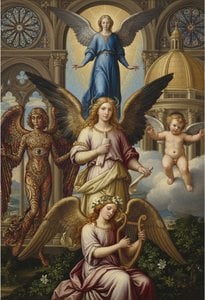
Explore the profound beauty of angelic figures in art history. From Renaissance masterpieces to celestial symbolism, our expert guide offers a sophisticated journey through the divine imagery of the Old Masters for discerning collectors and art enthusiasts.
 Visualizar na parede
 Compartilhar
 Compartilhar
 Detalhes
 Guia
Guia

 Baixar imagem
 Semelhantes
 Raio X
 Ver diaporama
 Perguntas e Respostas
 Estatísticas

 Ler mais









 A opção de vidro está disponível apenas para tamanhos inferiores a 110 cm


