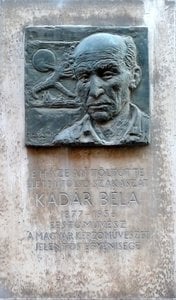
Uma Voz Húngara da Vanguarda: A Vida e a Arte de Béla Kádár
Nascido no seio de uma família judaica de classe trabalhadora em Budapeste, em 1877, a jornada de Béla Kádár para se tornar uma figura central na arte de vanguarda do início do século XX foi forjada tanto pela adversidade quanto por uma dedicação inabalável à exploração artística. Sua educação formal limitou-se a seis anos, mas essa ausência de um ensino tradicional pareceu libertá-lo das amarras convencionais, permitindo o surgimento de uma linguagem visual singularmente pessoal. Kádente não iniciou sua vida profissional com um pincel em mãos, mas como aprendiz de torneiro de ferro – um ofício que impactou profundamente suas sensibilidades artísticas, instilando nele uma compreensão profunda de forma, estrutura e da beleza inerente aos materiais industriais. Mesmo nesses primeiros anos, seu espírito criativo brilhava; inicialmente, concentrou-se na pintura de murais por toda Budapeste, demonstrando uma inclinação inata para a expressão visual de grande escala e para a narrativa visual. Este período fundacional lançou as bases para as composições audaciosas e dinâmicas que mais tarde definiriam sua obra.
Paris, Berlim e uma Síntese de Estilos
O verdadeiro catalisador para o desenvolvimento artístico de Kádár surgiu com suas viagens a Paris e Berlim em 1910. Essas jornadas expuseram-no aos movimentos de vanguarda que varriam a Europa Ocidental, alterando irrevogavelmente sua trajetória artística. Ele encontrou as ideias radicais do Der Blaue Reiter, as formas fragmentadas do Cubismo, o dinamismo do Futurismo e a energia bruta do Neo-Primitivismo – influências que ele não apenas adotou integralmente, mas que sintetizou em um vocabullação visual distintiva e própria. Kádár não se contentava em alinhar-se a qualquer "escola" de pensamento; em vez disso, embarcou em uma constante exploração de forma, cor e composição, impulsionado por um desejo insaciável de libertar-se das restrições da arte representacional tradicional. Ele absorveu elementos do Construtivismo e até as qualidades oníricas da pintura Metafísica, tecendo-os em uma tapeçaria complexa que refletia sua perspectiva única. Este período marcou um ponto de virada crucial, transformando-o de um promissor muralista em um artista verdadeiramente inovador no limiar do reconhecimento internacional.
Reconhecimento e Exposição Internacional
O momento de consagração de Kádár chegou em outubro de 1923, com uma exposição na prestigiada Galerie der Sturm, de Herwarth Walden, em Berlim. Esta mostra apresentou seu trabalho em um estilo distintamente expressionista, atraindo atenção imediata e estabelecendo-o como uma força a ser reconhecida na cena artística europeia. A galeria, conhecida por defender novas vozes artísticas radicais, proporcionou a Kádár a plataforma ideal para conectar-se com colecionadores e colegas artistas que compartilhavam seu compromisso com a experimentação. Reforçando ainda mais seu perfil internacional, ocorreram duas exposições organizadas por Katherine Dreier no Brooklyn Museum of Art, em Nova York, em 1926 e 1928. Notavelmente, Kádár compareceu à segunda exposição, consolidando sua presença no cenário artístico americano e fomentando conexões valiosas dentro do crescente movimento modernista do outro lado do Atlântico. Suas pinturas durante este período frequentemente retratavam cenas extraídas do folclore húngaro, retratos íntimos e vislumbres da vida de aldeia – temas renderizados com uma paleta de cores audaciosa e composições dinâmicas que capturavam tanto o espírito de sua pátria quanto a energia da era moderna.
Um Legado de Inovação Audaciosa
O estilo artístico de Béla Kádár é imediatamente reconhecível por seu uso vibrante e expressivo da cor, frequentemente empregando tons não naturalistas para transmitir emoção e atmosfera. Suas composições são caracterizadas por um sentido palpável de movimento e energia, alcançado através do jogo entre linhas, formas e contornos que parecem vibrar na tela. Ele utilizava frequentemente a técnica de impasto – aplicando camadas espessas de tinta – criando superfícies texturizadas que aumentam o impacto visual de sua obra e convidam à exploração tátil. Mas talvez o que realmente diferencie Kádár seja sua habilidade notável de sintetizar essas diversas influências artísticas em um estilo coeso e original. Ele representa um elo crucial entre a vanguarda húngara e os movimentos europeus mais amplos de seu tempo, refletindo as convulsões sociais e políticas do início do século XX em sua arte. Embora nem sempre tão amplamente celebrado durante sua vida quanto alguns de seus contemporâneos, o trabalho de Kádár experimentou um ressurgimento nas últimas décadas, com estudiosos reconhecendo cada vez mais suas contribuições significativas para a arte moderna. Ele faleceu em Budapeste em 1956, deixando um legado de pinturas audaciosas e inovadoras que continuam a inspirar artistas e a cativar o público hoje – um testemunho do poder duradouro de um artista que ousou trilhar seu próprio caminho.
Principais Características da Obra de Kádár
- Paleta de Cores Audaciosa: Kádár era renomado pelo uso vibrante e expressivo da cor, muitas vezes empregando tons não naturalistas para transmitir emoção e atmosfera.
- Composição Dinâmica: Suas composições são caracterizadas por um senso de movimento e energia, alcançado através da interação de linhas, formas e volumes.
- Técnica de Impasto: Ele frequentemente utilizava camadas espessas de tinta (impasto) para criar superfícies texturizadas e intensificar o impacto visual de seu trabalho.
- Síntese Única: A capacidade de Kádár de sintetizar diversas influências artísticas em um estilo coeso e original o destaca como uma figura significativa na arte do início do século XX.
- Temas e Assuntos: Suas pinturas frequentemente retratam cenas de folclore, vida de aldeia e retratos íntimos, renderizados com cores fortes e composições dinâmicas. Ele também explorou temas abstratos e experimentou com formas fragmentadas.



 Visualizar em escala
 Alternar para Impressão
 Enviar
 Compartilhar
 Ver detalhes
 Guia de Obras do Aluno

 Baixar imagem
 Semelhantes
 Raio X
 Apresentação de slides
 Estatísticas
 Ver mais