A Life Forged in Nuremberg: The Early Years and Apprenticeship
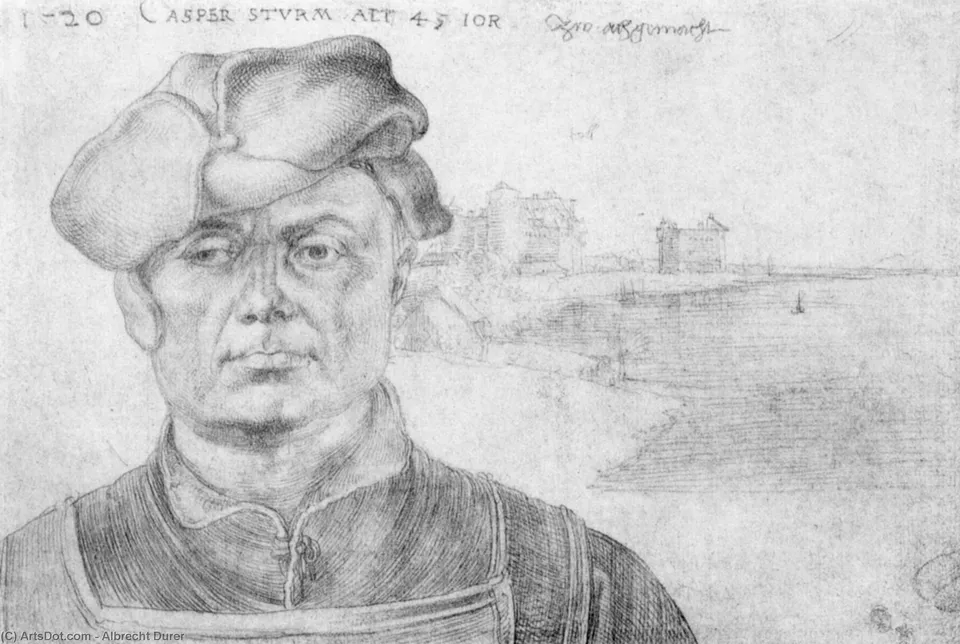
Albrecht Dürer, um nome sinônimo da arte renascentista alemã, emergiu da vibrante cidade artesanal de Nuremberg em 1471. Seu pai, Albrecht Dürer o Velho, era um renomado ourives que havia imigrado da Hungria, trazendo consigo uma linhagem enraizada na habilidade manual. Foi nesse ambiente – o cheiro de metal e a precisão meticulosa do trabalho artesanal – que as primeiras inclinações artísticas de jovem Albrecht tomaram forma. Embora seu pai visse um caminho semelhante para ele, inicialmente designando-o para o comércio familiar, logo ficou evidente que Albrecht possuía um talento excepcional para desenhar. Aos treze anos, ele passou para o ateliê de Michael Wolgemut, o principal artista de Nuremberg na época. Isso não foi apenas treinamento técnico; foi imersão em um mundo de manuscritos iluminados, painéis pintados e – crucialmente – a emergente arte da ilustração em madeira. O volume massivo de trabalho produzido pelo ateliê de Wolgemut, incluindo as extensas ilustrações para o *Crônica de Nuremberg*, forneceu a Dürer uma base incomparável em design, composição e na mecânica da criação de imagens. Um notável autorretrato em ponto de prata de 1484, criado quando ele tinha apenas adolescentes, serve como evidência impressionante de seu talento precoce – um testemunho de uma identidade artística emergente já se formando.
A Influência Italiana e a Maturação Artística
A ambição de Dürer ia muito além dos limites de Nuremberg. Impulsionado por uma curiosidade insaciável e um desejo de dominar a arte da pintura, ele embarcou em sua primeira viagem à Itália em 1494. Isso não foi apenas uma viagem turística; foi uma peregrinação ao coração do Renascimento. Ele encontrou obras de mestres como Rafael, Giovanni Bellini e Leonardo da Vinci – artistas que estavam redefinindo as possibilidades da forma, da perspectiva e da expressão humana. O impacto dessa exposição foi profundo. Dürer absorveu os motivos clássicos, a harmonia composicional e as sutis técnicas de sfumato que caracterizavam a arte italiana, mas nunca abandonou sua sensibilidade do Norte Europeu para a precisão meticulosa e a profundidade simbólica. Uma segunda peregrinação à Itália entre 1505 e 1507 permitiu-lhe refinar ainda mais essas influências, estudando as ruínas romanas antigas e aprofundando sua compreensão da anatomia e da proporção. Essa síntese de tradições norteuropeias e idealismo italiano tornou-se a marca registrada do estilo artístico único de Dürer.
Dominando os Meios: Pintura, Gravura e Xilogravura
Dürer era mestre em múltiplos meios, cada um oferecendo-lhe diferentes vias para a expressão criativa. Suas pinturas, embora em menor número do que suas gravuras, demonstram um domínio notável da tinta a óleo e uma capacidade de capturar tanto a semelhança física quanto a profundidade psicológica. Obras como *A Ceia do Pálio* revelam uma paleta vibrante influenciada pelo colorido veneziano. No entanto, no reino da gravura – particularmente a gravura em água-forte e xilogravura – Dürer revolucionou a prática artística, elevando essas técnicas de meros métodos reprodutivos a formas de arte independentes, capazes de transmitir narrativas complexas e emoções profundas. A série *O Apocalipse* (1498), uma coleção de quatorze xilogravuras ilustrando o Livro do Apocalipse, demonstrou seu domínio desse meio, apesar das limitações inerentes. Gravuras posteriores como *Melancolia I* (1514) e *São Jerônimo em seu Estúdio* (1514) são testemunhos de sua habilidade incomparável – composições intrincadas cheias de significado simbólico e executadas com precisão impressionante. Ele não apenas representou a realidade; ele imbuiu-a com camadas de significado intelectual e espiritual.
Um Teórico e Inovador: O Legado de Albrecht Dürer
Dürer não era apenas um artista; ele era um estudioso, teórico e inovador que buscava entender os princípios subjacentes à criação artística. Acreditava na base matemática da arte e dedicou-se a estabelecer uma abordagem científica para a representação. Seus tratados sobre geometria, proporção e anatomia humana – mais notavelmente *Quatro Livros sobre Proporção Humana* (1528) – foram pioneiros em sua época, demonstrando seu compromisso com a observação rigorosa e a análise racional. Esses escritos não eram apenas exercícios acadêmicos; eles tinham como objetivo elevar o status dos artistas de meros artesãos a praticantes intelectuais. O legado de Dürer se estende muito além de suas obras individuais. Ele conectou as tradições norteuropeias com os ideais do Renascimento italiano, introduzindo motivos clássicos na arte do Norte, ao mesmo tempo em que mantinha seu caráter distinto. Suas contribuições teóricas ajudaram a estabelecer um novo quadro para a prática artística, inspirando gerações de artistas com sua habilidade técnica, espírito inovador e visão profunda.
Ele permanece, até hoje, uma das figuras mais importantes da história da arte ocidental.
Influências e Impacto Duradouro
- Michael Wolgemut: O primeiro mentor de Dürer, fornecendo habilidades básicas em desenho, pintura e ilustração em madeira.
- Leonardo da Vinci: Inspirou a exploração de Dürer da anatomia, perspectiva e sfumato – o suave mesclado de tons.
- Rafael: Influenciou a harmonia composicional e as formas idealizadas de Dürer.
- Giovanni Bellini: Contribuiu para a compreensão de Dürer do colorido veneziano e das tradições da pintura italiana.
A influência de Dürer ressoa através dos séculos de história da arte. Sua precisão meticulosa, seu uso inovador da gravura e seus escritos teóricos continuam a inspirar artistas e estudiosos até hoje. Ele demonstrou que a arte poderia ser tanto tecnicamente magistral quanto intelectualmente rigorosa – um legado que continua a moldar o cenário artístico de hoje.


 Visualizar na parede
 Alternar para Impressão
 Compartilhar
 Compartilhar
 Detalhes

 Baixar imagem
 Semelhantes
 Raio X
 Slideshow
 Estatísticas


 Ler mais


