x
Visualizar na paredeVisualizar na parede Ver em RAVer em RA Comprar impressão Comprar impressãoComprar imagem Comprar imagem CompartilharCompartilhar
DetalhesDetalhes Adicionar aos favoritos Adicionar aos favoritos Baixar imagemBaixar imagem SemelhantesSemelhantes Raio XRaio X SlideshowSlideshow

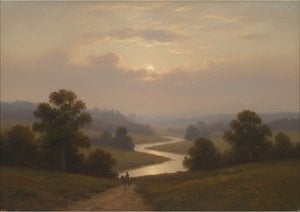
The Tempest

Explore Albert Pinkham Ryder's evocative masterpiece 'The Tempest,' depicting a dramatic storm scene inspired by Shakespeare and showcasing his signature tonalist style at the Detroit Institute of Arts.

Descubra Albert Pinkham Ryder (1847-1917), pintor americano visionário conhecido por paisagens marítimas evocativas e cenas fantásticas que influenciaram artistas como Pollock. Explore o tonalismo e o simbolismo – uma estética marcada pela atmosfera e pelo mistério.

Reprodução em Óleo Feita à Mão

Óleo sobre tela pintado à mão no tamanho e moldura de sua escolha, feito sob encomenda pelos nossos artistas. (Comprar impressão Comprar impressãoComprar imagem Comprar imagem)

P118B $10
P118H $10
P118W $10
P438Z $10
P508JH $12
P508YH $12
P805H $10
P805Z $10
P919BZ $10
P919G $10
P919XJ $10
P959ZH $10
P968JZ $12
W106C $8
W218G $10
W218JH $8
W218Y $10
W307PJ $10
W316G $10
W316PJ $8
W316Y $10
W398PJ $8
W4111J $10
W500HY $15
W500JH $15
W692G $12
W849H $8
W940BG $15
W953PJ $8

Tamanho padrão
personalizado
CM
INCH

Escolha entre os nossos tamanhos pré-definidos que respeitam as proporções originais da obra de arte.

largura
altura

Pode inserir as suas próprias dimensões para se adequar a uma moldura ou espaço específico. Se o tamanho selecionado não corresponder às proporções da imagem original, iremos cortar a obra de arte ou estender a pintura com elementos adicionais pintados à mão. Um esboço digital será enviado para sua aprovação antes do início da produção.
Tenha em atenção que a pré-visualização no ecrã não reflete o corte ou extensão real. Apenas o esboço mostrará com precisão a composição final.
Embora tamanhos personalizados estejam disponíveis, recomendamos selecionar uma dimensão da lista predefinida para preservar as proporções originais.

Exemplos do que pode ser personalizado: Substituir o rosto pela foto do cliente; Adicionar um animal de estimação (ex: substituir gato por cão); Incluir uma mensagem oculta no fundo; Alterar a paisagem ou elementos do fundo.
Após o pedido, a equipa WahooArt.com enviará um e-mail ao cliente para solicitar instruções e fornecer uma prévia do esboço.

Entrega mundial () em 3 a 4 semanas, em vez das 5 semanas padrão. (27 Agosto). Sem comprometer a qualidade.

why_choose_icon
Envio expresso gratuito para todo o mundo
why_choose_icon
Tela de Linho de Alta Qualidade
why_choose_icon
Seguro de transporte completo
why_choose_icon
Garantia de Reembolso de Impostos Alfandegários
why_choose_icon
Garantia de Fidelidade Cromática
why_choose_icon
Política de Devolução em 60 Dias (Apenas para Defeitos)
why_choose_icon
Garantia de reembolso de 100%
why_choose_icon
Oferta de desconto por quantidade

Preço Total

$ 272

reproduction

The Tempest

Técnica de Reprodução

Tamanho da Reprodução

-

Preço Total

$ 272

Informações Rápidas

  • Artistic style: Dreamlike, melancholic
  • Artist: Albert Pinkham Ryder
  • Location: Detroit Institute of the Arts
  • Medium: Oil on canvas
  • Notable elements or techniques: Bold brushstrokes; light and shadow
  • Title: The Tempest

Quiz de Arte

Cada pergunta possui apenas uma resposta correta.

Pergunta 1:
In what year was Albert Pinkham Ryder's painting 'The Tempest' created?
Pergunta 2:
What is a defining characteristic of Albert Pinkham Ryder's painting style, as mentioned in the description?
Pergunta 3:
What natural element heavily contributes to the dramatic atmosphere depicted in 'The Tempest'?
Pergunta 4:
What object are the two main figures in 'The Tempest' holding to provide light?
Pergunta 5:
Where is the painting 'The Tempest' housed, according to the provided information?
The painting The Tempest by Albert Pinkham Ryder is a captivating work of art that showcases the artist's unique style and contribution to the American art movement. Created in 1892, this oil on canvas piece is housed at the Detroit Institute of the Arts in Detroit, United States.

Artist Background

Albert Pinkham Ryder was an American artist known for his dreamlike and often melancholic paintings. His style is characterized by the use of bold colors and loose brushstrokes, which gives his works a sense of movement and energy. Ryder's paintings often depicted landscapes, seascapes, and figurative scenes, showcasing his ability to capture the beauty of the natural world.

The Painting's Composition

The painting The Tempest depicts a dramatic scene of two people standing on a rocky hillside during a storm. The man appears to be pointing towards the sky while the woman stands beside him, both holding lanterns in their hands. The use of light and shadow creates a sense of depth and atmosphere, drawing the viewer into the scene. The brushstrokes are bold and expressive, giving the painting a sense of movement and energy.
  • The painting's composition is characterized by the use of contrasting colors and bold brushstrokes, which creates a sense of tension and drama.
  • The scene is set against a backdrop of a stormy sky, with the wind and rain adding to the sense of turmoil.
  • The figures in the painting are faceless, which adds to the sense of mystery and universality.
For more information on Albert Pinkham Ryder and his works, visit https://WahooArt.com. To learn more about the Detroit Institute of the Arts, visit their website or check out /art/list/?Filter=8YE4QC-Albert-Pinkham-Ryder-The-Tempest.
You can also find more information on Albert Pinkham Ryder on Wikipedia.

Biografia do Artista

Early Life and Artistic Beginnings

Albert Pinkham Ryder, born March 19, 1847, in New Bedford, Massachusetts, remains a somewhat enigmatic figure in American art history. Details of his childhood are scarce, shrouded in the mists that would later become so characteristic of his paintings. However, it is known that he began to explore his artistic inclinations early on, capturing the landscapes of his native New Bedford with nascent skill. This coastal upbringing, steeped in the atmosphere of a bustling whaling port, undoubtedly left an indelible mark on his imagination and would resurface throughout his career as a recurring source of inspiration. He was the youngest of four children and little is known about his formative years beyond his family’s relocation to New York City in 1867 or 1868. This move placed young Albert within a vibrant cultural milieu, offering opportunities for artistic development and exposure to new ideas. While assisting with family responsibilities—primarily managing the Hotel Albert alongside his brother—he continued to pursue his passion for painting, laying the groundwork for his future artistic journey. His paternal grandparents belonged to a strict Methodist sect whose women dressed Quaker fashion, reflecting the values of his upbringing.

Formal Training and European Influences

Ryder’s formal art education commenced with studies under William Edgar Marshall in New York City. Subsequently, he enrolled at the National Academy of Design between 1870 and 1875, where he exhibited his first work in 1873 and forged a lifelong friendship with fellow artist Julian Alden Weir. These formative years instilled him with foundational techniques and introduced him to the established art world. However, Ryder’s artistic vision transcended conventional academic boundaries. Between 1877 and 1903, he undertook four expeditions to Europe—to Paris, Antwerp, Munich, and The Hague—immersing himself in the artistic currents of the Old World. He was particularly captivated by the French Barbizon school, prioritizing naturalism and plein air painting, and the Dutch Hague School, admiring its atmospheric landscapes and muted color palettes. These influences profoundly shaped his aesthetic sensibilities, contributing to the development of his distinctive style.

A Unique Artistic Vision: Style and Themes

Ryder’s artistic signature is instantly recognizable—a captivating blend of Symbolism, Tonalism, and a deeply personal vision. His paintings are not mere representations of reality but rather evocative interpretations of nature infused with mood, mystery, and spiritual resonance. He favored broad, often ill-defined shapes and stylized figures set within dreamlike landscapes or seascapes, creating an atmosphere that is both ethereal and haunting. Light plays a crucial role in Ryder’s work. His scenes are frequently illuminated by dim sunlight filtering through eerie clouds or the soft glow of moonlight, casting long shadows and enhancing the sense of drama and introspection. He masterfully manipulated color to create subtle variations and atmospheric effects, often employing a limited palette to maximize emotional impact. Notable works such as Misty Moonlight exemplify Ryder’s ability to transform personal memories into universal expressions of longing and contemplation. Other significant paintings—like Siegfried & The Rhine Maidens—demonstrate his fascination with mythology and symbolism. His distinctive brushwork—characterized by expansive strokes—further contributes to the overall mood and texture, conveying a palpable sense of emotion.

Later Years and Lasting Legacy

After 1900, Ryder’s creative output diminished considerably. He became increasingly reclusive, dedicating himself tirelessly to reworking existing paintings in pursuit of perfection. Despite this decline in productivity, his earlier masterpieces continued to garner acclaim and admiration. Albert Pinkham Ryder passed away on March 28, 1917, leaving behind a body of work that continues to captivate audiences today. A memorial exhibition held at the Metropolitan Museum of Art in New York in 1918 solidified his reputation as a monumental figure in American art. Ryder’s influence extends far beyond his immediate contemporaries; he is recognized as a pioneer of American Tonalism and Symbolism, an artist whose mystical paintings inspire awe and wonder—a legacy that persists to this day.

Albert Pinkham Ryder

Albert Pinkham Ryder

1847 - 1917 , Estados Unidos

Dados Rápidos

  • Artistic Movement Or Style: Tonalismo e Simbolismo
  • Artists Or Movements Influenced By This Artist: ['Jackson Pollock']
  • Artists Who Influenced This Artist:
    • Escola Barbizon Francesa
    • Escola Holandesa Hague
  • Date Of Birth: 19 de março de 1847
  • Date Of Death: 28 março de 1917
  • Full Name: Albert Pinkham Ryder
  • Nationality: Americano
  • Notable Artworks:
    • Misty Moonlight
    • O Rastreador
    • Siegfried & Rhine Maidens
  • Place Of Birth: Nova Iorque, EUA
Explore obras de arte organizadas por temas, estilos e características.