Visualizar em escala Visualizar em RA Alternar para Impressão Ver Imagem Digital Enviar
Ver detalhes Guia de Obras do Aluno Adicionar aos favoritos Baixar imagem Semelhantes Raio X Apresentação de slides Estatísticas

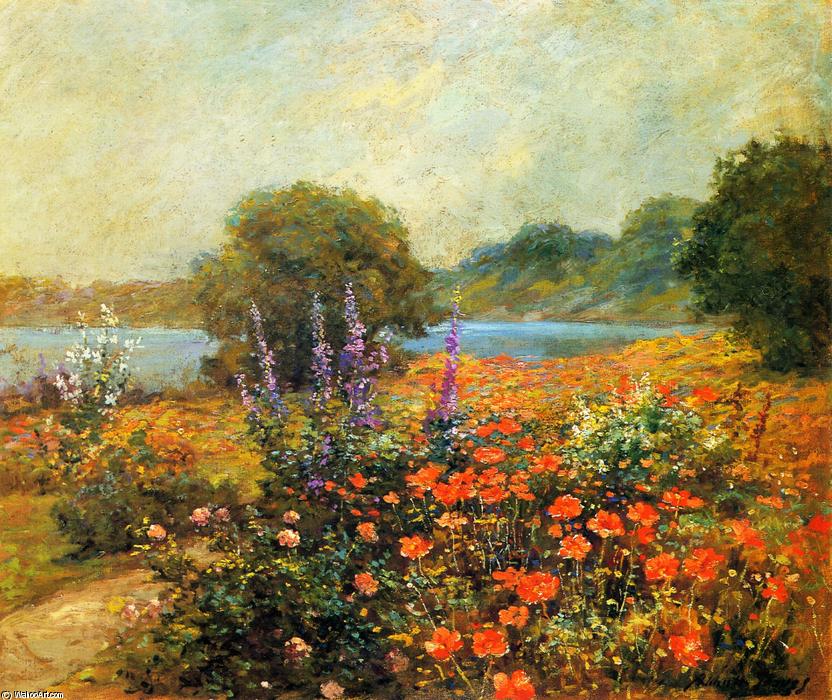
Poppies

The painting depicts a serene landscape featuring a field brimming with vibrant poppies and purple flowers under the watchful gaze of trees. Two birds soar above, completing this idyllic tableau created by Abbott Fuller Graves in 1905.

Reprodução em Óleo Feita à Mão

Óleo sobre tela pintado à mão no tamanho e moldura de sua escolha, feito sob encomenda pelos nossos artistas. ( Alternar para Impressão Ver Imagem Digital)

P118B 10
P118H 10
P118W 10
P438Z 10
P508JH 12
P508YH 12
P805H 10
P805Z 10
P919BZ 10
P919G 10
P919XJ 10
P959ZH 10
P968JZ 12
W106C 8
W218G 10
W218JH 8
W218Y 10
W307PJ 10
W316G 10
W316PJ 8
W316Y 10
W398PJ 8
W4111J 10
W500HY 15
W500JH 15
W692G 12
W849H 8
W940BG 15
W953PJ 8

Padrão
sob medida
CM
INCH

Escolha entre os nossos tamanhos pré-definidos que respeitam as proporções originais da obra de arte.

largura
altura

Pode inserir as suas próprias dimensões para se adequar a uma moldura ou espaço específico. Se o tamanho selecionado não corresponder às proporções da imagem original, iremos cortar a obra de arte ou estender a pintura com elementos adicionais pintados à mão. Um esboço digital será enviado para sua aprovação antes do início da produção.
Tenha em atenção que a pré-visualização no ecrã não reflete o corte ou extensão real. Apenas o esboço mostrará com precisão a composição final.
Embora tamanhos personalizados estejam disponíveis, recomendamos selecionar uma dimensão da lista predefinida para preservar as proporções originais.

Exemplos do que pode ser personalizado: Substituir o rosto pela foto do cliente; Adicionar um animal de estimação (ex: substituir gato por cão); Incluir uma mensagem oculta no fundo; Alterar a paisagem ou elementos do fundo.
Após o pedido, a equipa WahooArt.com enviará um e-mail ao cliente para solicitar instruções e fornecer uma prévia do esboço.

Entrega mundial () em 3 a 4 semanas, em vez das 5 semanas padrão. (28 Setembro). Sem comprometer a qualidade.

why_choose_icon
Envio expresso gratuito para todo o mundo
why_choose_icon
Tela de Linho Premium
why_choose_icon
Seguro de transporte total
why_choose_icon
Garantia de Reembolso de Impostos Alfandegários
why_choose_icon
Garantia de Fidelidade de Cor
why_choose_icon
Política de Devolução em 100 Dias (Apenas para Defeitos)
why_choose_icon
Garantia de reembolso de 100%
why_choose_icon
Desconto para múltiplas unidades

Preço Total

€ 235

reproduction

Poppies

Técnica de Reprodução

Dimensões da Reprodução

-

Preço Total

€ 235

Detalhes Rápidos

  • Artist: abbott fuller graves
  • Year: 1905
  • Medium: Oil on canvas
  • Artistic style: Landscape painting
  • Title: Poppies
  • Influences: Georges Seurat
  • Notable elements or techniques: Pointillist technique

Teste de Conhecimentos Artísticos

Cada pergunta possui apenas uma resposta correta.

Questão 1:
What is the primary artistic technique employed by Abbott Fuller Graves in "The Field"?
Questão 2:
The painting depicts a vibrant landscape featuring what prominent floral element?
Questão 3:
In what year was "The Field" created?
Questão 4:
What is the medium of this artwork?
Questão 5:
The painting aims to convey a sense of what overall mood or atmosphere?

Georges Seurat: Bridging Science and Beauty

Georges Seurat’s “La Grenouillère” – literally “The Pond” – stands as an emblem of Impressionism's audacious embrace of scientific inquiry. Painted in 1876, this monumental canvas depicts a Parisian café scene brimming with life, yet it’s far from merely capturing a snapshot of everyday existence. Instead, Seurat meticulously constructed his artwork using a revolutionary technique known as Pointillisme, pioneered alongside Paul Signac.

  • The Technique: Pointillisme wasn't about blending colors; it was about applying tiny dots of pure pigment onto the canvas surface. These dots, individually colored and strategically positioned, refract light and blend optically in the viewer’s eye—a process meticulously documented by Seurat himself.
  • Scientific Foundations: Seurat’s approach drew heavily from Chevreul's Color Theory, which posits that complementary colors stimulate each other, creating vibrancy and enhancing visual perception. He painstakingly calculated the chromatic coordinates of each dot to achieve optimal color harmony.
  • Historical Context: Impressionism emerged as a reaction against the academic tradition dominating French art academies. Artists like Seurat sought to liberate painting from rigid conventions, prioritizing subjective experience and capturing fleeting moments of light and atmosphere.

The scene itself is deceptively simple—a café terrace populated by men and women enjoying drinks and conversation. However, beneath the surface lies a profound exploration of color and perception. Seurat’s palette utilizes bold hues – reds, blues, yellows – arranged in discrete patches that shimmer with reflected light. This deliberate fragmentation contributes to an unsettling yet captivating effect; it invites viewers to actively participate in constructing the image.

Symbolism:

The pond itself—a recurring motif in Seurat’s oeuvre—represents both physical space and psychological depth. It symbolizes tranquility amidst urban bustle, mirroring the artist's own quest for intellectual clarity and artistic innovation. The figures within the café are rendered with meticulous detail, yet their faces remain largely obscured, emphasizing the importance of emotion and intuition over precise representation.

  • Emotional Impact: “La Grenouillère” evokes a sense of immediacy and dynamism—a feeling that captures the vibrant energy of Parisian life. Yet, there’s also an underlying tension created by Seurat's technique; it compels viewers to confront the complexities of visual perception.

“La Grenouillère” remains a cornerstone of Impressionist art history and continues to inspire artists and collectors alike. Its enduring appeal lies not only in its aesthetic beauty but also in its audacious intellectual ambition—a testament to Seurat’s unwavering belief that art could illuminate the mysteries of human consciousness.