

Najsłynniejszym obrazem Willy E. Jensen jest Cliffs (1966), znajdujący się w Statens Museum for Kunst w Kopenhaga. Nasz katalog zawiera 1 dzieł autorstwa Willy E. Jensen; poniższych 1 to te, na które świat patrzy najczęściej – każde z podaniem roku powstania, muzeum, w którym się znajduje, oraz uzasadnieniem jego znaczenia.
Ranking oparty na naszym wskaźniku popularności, który łączy liczbę wyszukiwań, wizyt oraz zamówień dla każdego dzieła. Aktualizacja: Listopad 2026.

Muzeum, w którym znajduje się najwięcej obrazów prezentowanych na tej stronie.
| Muzea | Miasto | Dzieła artysty Willy E. Jensen | Obrazy z tej listy |
|---|---|---|---|
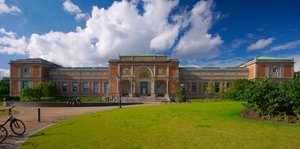 Statens Museum for Kunst |
Kopenhaga | 1 | Cliffs |
Wszystkie datowane dzieła Willy E. Jensen znajdujące się na tej stronie pochodzą z 1966: oto ich najsłynniejsze przykłady.
Cliffs (1966)
48 lat: Cliffs pochodzi z 1966, a Willy E. Jensen urodził(a) się w 1918.
Nasz katalog zawiera 1 dzieł autorstwa Willy E. Jensen.
Większość z nich znajduje się w Statens Museum for Kunst (Kopenhaga). Powyższa tabela zawiera listę muzeów po kolei.
Born in the Kingdom of Denmark in 1918, Willy E. Jensen moved through the world with the steady hand of a man dedicated to the visual language of line and form. His life unfolded during a century of profound change, yet his focus remained anchored in the essential elements of his craft. As both a painter and a graphic artist, he sought to translate the physical world into a structured reality, finding meaning in the interplay of light and the weight of the landscape.
His work suggests a deep connection to the natural world, particularly in how he approached the rugged textures of the earth. There is a certain gravity in his compositions that speaks to a life spent observing the subtle shifts in the environment. He did not merely record what he saw; he sought to capture the very essence of the terrain through a disciplined application of color and shape.
The significance of Jensen's contribution to Danish art is anchored by the presence of his work in the Statens Museum For Kunst in Copenhagen. To have a work held within such a prestigious institution is a mark of lasting merit. His ability to command the canvas is perhaps most clearly seen in his 1966 work, Cliffs, a piece that resides within the museum's permanent collection.
In his practice, several elements define his approach to the medium:
Through these methods, he achieved a sense of permanence. His paintings do not shout; they persist. They demand a slow, deliberate gaze to fully comprehend the intention behind every stroke and the deliberate placement of every shadow.
Jensen's dual identity as a painter and a graphic artist allowed him to navigate the nuances of both texture and precision. This versatility ensured that his vision remained consistent, whether he was working on a large-scale canvas or a more intimate graphic study. His work remains a part of the ongoing dialogue within the Danish art tradition, offering a window into the mid-century aesthetic of his homeland.