Emily Carr, 1871 – 1945

Emily Carr: 99 najsłynniejszych obrazów

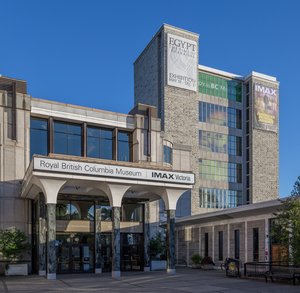
Tanoo, Q.C.I. to najsłynniejszy obraz autorstwa Emily Carr, znajdujący się w Royal BC Museum w Victoria. Strait of Juan de Fuca (1936) i Dancing Trees (1940) to dwa kolejne dzieła, które świat zna najlepiej. Z 99 dzieł Emily Carr w naszym katalogu, oto 99 najczęściej wybieranych przez kolekcjonerów i zwiedzających muzea, wraz z rokiem powstania, informacją o muzeum oraz historią każdego z nich.

Ranking oparty na naszym wskaźniku popularności, który łączy liczbę wyszukiwań, wizyt oraz zamówień dla każdego dzieła. Aktualizacja: Październik 2026. Każde arcydzieło na tej stronie można zamówić jako ręcznie malowaną reprodukcję olejną o jakości muzealnej lub jako wysokiej jakości wydruk artystyczny, w wybranym przez Ciebie rozmiarze.

Portret Emily Carr
Emily Carr · 1871 – 1945
Urodzony · zmarł
1871 – 1945, Victoria
Nurt
Post-impressionism
Dzieła w naszym katalogu
99
Najsłynniejsze
Tanoo, Q.C.I.
Najwięcej dzieł w
Narodowa Galeria Kanady

Top 10: najsłynniejsze obrazy artysty Emily Carr

Tanoo, Q.C.I. autorstwa Emily Carr
1

Tanoo, Q.C.I.

Oil On Canvas · Royal BC Museum, Victoria

A Forest of Totems The air feels heavy with the scent of damp earth and cedar as we step into this lush, green expanse. Tall totem poles rise from the foreground, their surfaces etched with intricate, swirling designs that seem to pulse with a life of their own. These wooden sentinels stand guard over a quiet corner of the woods, where the light filters through a thick canopy of leaves.…

Strait of Juan de Fuca (1936) autorstwa Emily Carr
2

Strait of Juan de Fuca

1936 · Oil On Canvas · McMichael Canadian Art Collection, Vaughan

In the sweeping expanse of Emily Carr’s 1936 masterpiece, Strait of Juan de Fuca, the viewer is invited to witness a profound dialogue between the rugged earth and the restless sea. This evocative landscape captures more than just a geographical location; it captures a moment of atmospheric tension where the heavy, cloud-laden sky meets the enduring strength of the coastal mountains. The composition is anchored by two prominent rock formations…

Dancing Trees (1940) autorstwa Emily Carr
3

Dancing Trees

1940 · Obraz olejny na płótnie · McMichael Canadian Art Collection, Vaughan

Dancing Trees - Emily Carr (1871 - 1945) — A Pioneer's Vision of British Columbia Emily Carr’s *Dancing Trees*, painted in 1937-40, stands as a testament to her unwavering dedication to capturing the spirit of British Columbia and its profound connection with Indigenous culture. More than just a landscape depiction, it embodies Carr’s distinctive artistic approach—a fusion of Post-Impressionism infused with an intuitive understanding of movement and symbolism—that cemented her…

British Columbia Forest (1930) autorstwa Emily Carr
4

British Columbia Forest

1930 · Oil On Canvas · McMichael Canadian Art Collection, Vaughan

In the heart of the dense, mist-shrouded landscapes of British Columbia, there exists a realm where the boundary between the physical world and the spiritual plane begins to dissolve. Emily Carr’s 1930 masterpiece, “British Columbia Forest,” serves as a profound gateway into this ethereal domain. This is not merely a landscape painting; it is an emotional excavation of the wild. Through her singular lens, the forest ceases to be a…

Tanoo (1912) autorstwa Emily Carr
5

Tanoo

1912 · Watercolor · McMichael Canadian Art Collection, Vaughan

Emily Carr's “Tanoo,” painted in 1912, is more than just a depiction of totem poles; it’s a profound meditation on the spirit of the Pacific Northwest and the enduring connection between Indigenous peoples and their ancestral lands. Created during a pivotal period of change for both Canada and its First Nations communities, this watercolor offers a rare glimpse into a world largely untouched by modern influence – a world where…

House Near Woods (1931) autorstwa Emily Carr
6

House Near Woods

1931 · Oil On Canvas · The Robert McLaughlin Gallery, Oshawa

In the 1931 painting House Near Woods, Emily Carr presents a serene and tranquil scene that captures a moment of quietude within the Canadian landscape. The composition centers on a small, white house with a red roof, positioned atop a hill as it overlooks a vast, surrounding forest. This wooden cabin sits nestled within a clearing, surrounded by the dense, thick growth of the woods.

Reforestation (1936) autorstwa Emily Carr
7

Reforestation

1936 · Acrylic On Canvas · McMichael Canadian Art Collection, Vaughan

Reforestation - A Vision of Resilience Emily Carr’s “Reforestation,” painted in 1936 during her prolific period exploring British Columbia's landscapes, stands as a testament to her unwavering fascination with the natural world and her ability to translate its spirit onto canvas. This monumental artwork embodies Group of Seven principles—bold brushstrokes, flattened perspective, and an uncompromising commitment to capturing raw emotion—resulting in a scene that transcends mere depiction; it communicates a…

Young Pines And Sky autorstwa Emily Carr
8

Young Pines And Sky

Painting

In the quietude of the Pacific Northwest, where the mist clings to the rugged bark of ancient conifers, Emily Carr captures a moment of profound stillness in Young Pines And Sky. This evocative piece serves as a window into a world where the boundary between the earth and the heavens feels beautifully permeable. The composition centers on a cluster of resilient young pines, their silhouettes reaching upward with a quiet,…

Kitwangar Pole autorstwa Emily Carr
9

Kitwangar Pole

Akwarela · Royal BC Museum, Victoria

The world settles into a quiet, silvered stillness. Before a modest wooden dwelling, a Haida ceremonial pole rises against the landscape, its carved face fixed in a steady, unblinking gaze. This black-and-white watercolor captures a moment of profound gravity, where the textures of wood and shadow merge. The house, with its dark walls and a hint of a red roof, sits tucked beneath the presence of the totem. There is…

House in Brittany (1911) autorstwa Emily Carr
10

House in Brittany

1911 · Oil · Narodowa Galeria Kanady, Ottawa

Created in 1911, this oil on cardboard work captures a specific moment of transition in the artist's development. The composition focuses on the structural presence of a dwelling within the Brittany landscape. Through a controlled application of paint, the work explores the relationship between built forms and the surrounding environment. The medium of cardboard lends a specific texture to the surface, influencing the way the oil pigment sits upon the…

Pozostała część rankingu Emily Carr, od 11 do 99

Trees in France (1911) autorstwa Emily Carr
#11

Trees in France

1911 · McMichael Canadian Art Collection

Emily Carr (1871-1945), a Canadian Modernist pioneer, stands apart from her contemporaries not merely for her prolific output but for the singular vision that fueled her artistic endeavors.…

Zabierz ją do domu →
Krajobraz leśny autorstwa Emily Carr
#12

Krajobraz leśny

Royal BC Museum

Emily Carr i Szczęśliwy Świr Drzewnych Liści Emily Carr, urodzona 13 grudnia 1871 roku w Victorialii, prowincji British Columbia, była czym więcej niż tylko malarką; była kronikarzem zmieniającego…

Zabierz ją do domu →
Cha-atl, Pole w Polu autorstwa Emily Carr
#13

Cha-atl, Pole w Polu

Royal BC Museum

„Cha-atl, Field with Pole” to obraz Emily Carr, który przenosi nas do serca prowincji British Columbia wczesnego XX wieku. To nie tylko przedstawienie pola i dwóch totemów; to…

Zamów reprodukcję →
Crécy-en-Brie autorstwa Emily Carr
#14

Crécy-en-Brie

Royal BC Museum

Emily Carr’s “Crécy-en-Brie” is far more than a mere depiction of a quaint French village; it is a crystallized moment of artistic revelation. Painted during her immersive journey…

Zamów ręcznie malowaną kopię →
Brittany, France (1911) autorstwa Emily Carr
#15

Brittany, France

1911 · McMichael Canadian Art Collection

Emily Carr's 1911 painting, "Brittany Landscape," isn’t merely a depiction of a coastal scene; it’s a profound meditation on place, memory, and the burgeoning spirit of modern Canadian…

Zamów reprodukcję →
Sawmills, Vancouver (1912) autorstwa Emily Carr
#30

Sawmills, Vancouver

1912 · McMichael Canadian Art Collection

Emily Carr’s “Sawmills, Vancouver,” painted in 1912, isn't merely a depiction of a coastal scene; it’s a poignant meditation on the collision between tradition and progress, the raw…

Zamów reprodukcję →
A Haida Village (1929) autorstwa Emily Carr
#31

A Haida Village

1929 · McMichael Canadian Art Collection

Emily Carr’s “A Haida Village,” painted in 1929, isn't merely a depiction of a coastal scene; it’s an immersive journey into the heart of Northwest Indigenous culture. This…

Zamów reprodukcję →
Yan Q.C.I. (1912) autorstwa Emily Carr
#36

Yan Q.C.I.

1912 · Art Gallery of Hamilton

In the quietude of 1912, Emily Carr captured a moment of profound stillness in her evocative work, Yan Q.C.I. This painting serves as a breathtaking window into a…

Zamów ręcznie malowaną kopię →
Dancing Sunlight (1937) autorstwa Emily Carr
#37

Dancing Sunlight

1937 · McMichael Canadian Art Collection

“Dancing Sunlight,” painted in 1937 by Emily Carr, offers an intimate glimpse into the heart of British Columbia’s wilderness – a scene rendered with a profound understanding of…

Zamów reprodukcję →
lamp autorstwa Emily Carr
#38

lamp

Royal BC Museum

To gaze upon this collection of lamps is to encounter not merely functional objects, but miniature sculptures imbued with stories of skilled hands and rich cultural exchange. The…

Zamów reprodukcję →
Self-portrait (1924) autorstwa Emily Carr
#39

Self-portrait

1924 · Vancouver Art Gallery

The work titled Self-portrait is a quiet, introspective oil on paperboard. Created between 1924 and 1925, it captures the artist Emily Carr in a moment of solitary labor.…

Zamów reprodukcję →
Red Cedar (1931) autorstwa Emily Carr
#56

Red Cedar

1931 · Vancouver Art Gallery
Big Raven (1931) autorstwa Emily Carr
#58

Big Raven

1931 · Vancouver Art Gallery
Kispiox Village autorstwa Emily Carr
#76

Kispiox Village

Royal BC Museum

A Window Into a Changing World: Emily Carr’s Kispiox Village Emily Carr's "Kispiox Village," painted in 1929, isn’t merely a depiction of a remote British Columbia landscape; it’s…

Zamów ręcznie malowaną kopię →
Melons autorstwa Emily Carr
#77

Melons

Royal BC Museum

Two melons rest upon a table, their heavy forms pressing against the surface. One fruit remains whole, a smooth curve of skin, while the other has been sliced…

Zabierz ją do domu →
Kitseukla autorstwa Emily Carr
#79

Kitseukla

{ "description": "Subject and Composition This captivating artwork depicts a serene rural landscape, inviting viewers into a tranquil world where nature and human habitation coexist harmoniously. The winding…

Zamów reprodukcję →
Roots autorstwa Emily Carr
#96

Roots

Royal BC Museum

Emily Carr's "Roots," painted circa 1929, isn’t merely a depiction of two magnificent horned creatures amidst the dense foliage of British Columbia; it’s a profound meditation on connection…

Zamów ręcznie malowaną kopię →

Obrazy Emily Carr według okresów

Tematy, które najczęściej malował Emily Carr

Cztery tematy najczęściej powracające w tych arcydziełach, wraz z najdoskonalszym przykładem każdego z nich.

Gdzie można zobaczyć obrazy Emily Carr

8 muzeów, w których znajduje się najwięcej obrazów z tej strony.

Muzeum Miasto Dzieła artysty Emily Carr Obrazy z tej listy
Narodowa Galeria Kanady, OttawaNarodowa Galeria Kanady Ottawa 23 House in Brittany, Portrait of Woo, Grizzly Bear Totem, Angidah, Nass River
Royal BC Museum, VictoriaRoyal BC Museum Victoria 15 Tanoo, Q.C.I., Kitwangar Pole, Krajobraz leśny
McMichael Canadian Art Collection, VaughanMcMichael Canadian Art Collection Vaughan 11 Strait of Juan de Fuca, Dancing Trees, British Columbia Forest
Vancouver Art Gallery, VancouverVancouver Art Gallery Vancouver 10 Totem Poles, Kitseukla, Totem Mother, Totem and Forest
Art Gallery of Ontario, TorontoArt Gallery of Ontario Toronto 3 Guyasdoms D'Sonoqua, In the Forest, BC, Indian Church
Muzeum Sztuk Pięknych w Montrealu, MontrealMuzeum Sztuk Pięknych w Montrealu Montreal 2 Community House Ucluelet, Indian War Canoe
The Robert McLaughlin Gallery, OshawaThe Robert McLaughlin Gallery Oshawa 1 House Near Woods
Art Gallery of Hamilton, HamiltonArt Gallery of Hamilton Hamilton 1 Yan Q.C.I.

Emily Carr na przestrzeni dekad: jedno arcydzieło na każde dziesięciolecie

  1. 1910s
    Tanoo (1912) autorstwa Emily Carr
    Miejsce 5 / 99

    Tanoo

    Wiek 39 – 48 · McMichael Canadian Art Collection

    Emily Carr's “Tanoo,” painted in 1912, is more than just a depiction of totem poles; it’s a profound meditation on the spirit of the Pacific Northwest and the…

  2. 1920s
    Totem Mother (1928) autorstwa Emily Carr
    18 z 99

    Totem Mother

    Wiek 49 – 58 · Vancouver Art Gallery
  3. 1930s
    Strait of Juan de Fuca (1936) autorstwa Emily Carr
    Miejsce 2 / 99

    Strait of Juan de Fuca

    Wiek 59 – 68 · McMichael Canadian Art Collection

    In the sweeping expanse of Emily Carr’s 1936 masterpiece, Strait of Juan de Fuca, the viewer is invited to witness a profound dialogue between the rugged earth and…

  4. 1940s
    Dancing Trees (1940) autorstwa Emily Carr
    Nr 3 z 99

    Dancing Trees

    Wiek 69 – 74 · McMichael Canadian Art Collection

    Dancing Trees - Emily Carr (1871 - 1945) — A Pioneer's Vision of British Columbia Emily Carr’s *Dancing Trees*, painted in 1937-40, stands as a testament to her…

Obrazy artysty Emily Carr: najczęściej zadawane pytania

Który obraz Emily Carr jest najbardziej znany?Pokaż odpowiedź

Tanoo, Q.C.I., Royal BC Museum, Victoria. Następnie pojawiają się Strait of Juan de Fuca (1936) oraz Dancing Trees (1940).

Które są 10 najsłynniejszych obrazów, których autorem jest Emily Carr?Pokaż odpowiedź

Tanoo, Q.C.I., Strait of Juan de Fuca, Dancing Trees, British Columbia Forest, Tanoo, House Near Woods, Reforestation, Young Pines And Sky, Kitwangar Pole i House in Brittany. Powyższy ranking zawiera rok oraz muzeum dla każdego z nich.

Ile obrazów autorstwa Emily Carr znajduje się w kolekcji?Pokaż odpowiedź

Nasz katalog obejmuje 99 dzieł autorstwa Emily Carr, datowanych od 1911 do 1942.

Gdzie mogę zobaczyć najsłynniejsze obrazy, których autorem jest Emily Carr?Pokaż odpowiedź

Większość z nich znajduje się w Narodowa Galeria Kanady (Ottawa), Royal BC Museum (Victoria) i McMichael Canadian Art Collection (Vaughan). Powyższa tabela zawiera listę muzeów po kolei.

W jakim okresie Emily Carr namalował swoje najsłynniejsze dzieła?Pokaż odpowiedź

W okresie 1930s: 34 z 99 dzieł na tej stronie pochodzi z tego czasu, w tym Strait of Juan de Fuca.

Jakie jest najwcześniejsze i najpóźniejsze słynne dzieło, którego autorem jest Emily Carr?Pokaż odpowiedź

Najwcześniejszy na tej stronie to House in Brittany (1911), najpóźniejszy Clearing (1942).

Jakie tematy malował Emily Carr?Pokaż odpowiedź

Landscape (11), Forest (8) i Trees (8), spośród 99 dzieł na tej stronie.

Na czym i czym malował Emily Carr?Pokaż odpowiedź

Oil On Canvas: 9 z 99 dzieł na tej stronie.

Do jakiego nurtu należy twórczość Emily Carr?Pokaż odpowiedź

Post-impressionism i Modernism, co pokazują obrazy na tej stronie.

Jakie obrazy Emily Carr znajdują się w zbiorach Narodowa Galeria Kanady?Pokaż odpowiedź

House in Brittany, Portrait of Woo i Grizzly Bear Totem, Angidah, Nass River to jedne z 23 dzieł na tej stronie znajdujących się w zbiorach Narodowa Galeria Kanady, Ottawa.

Gdzie mogę kupić reprodukcję Emily Carr?Pokaż odpowiedź

Tak. Każdy obraz na tej stronie można zamówić jako ręcznie malowaną reprodukcję olejną o jakości muzealnej lub jako wysokiej jakości wydruk artystyczny w wybranym przez Ciebie rozmiarze, bezpośrednio ze strony danego dzieła.

Emily Carr: biografia

Emily Carr – A Life Rooted in the Landscape and Spirit of British Columbia

Emily Carr, born December 13, 1871, in Victoria, British Columbia, was more than just a painter; she was a chronicler of a changing world, a passionate observer of both the natural majesty of the Pacific Northwest and the rich cultural heritage of its First Nations peoples. Her life unfolded against the backdrop of a rapidly evolving Canada, a nation grappling with its identity and relationship to its Indigenous populations. The daughter of Richard Carr, an English immigrant who sought opportunity in the burgeoning colony, and Emily Saunders, she grew up in a household that valued both tradition and progress. This duality would profoundly shape her artistic vision. From an early age, encouraged by her father, Emily displayed a remarkable aptitude for art, a talent nurtured through formal instruction and a deep connection to the surrounding landscape. The imposing forests of Vancouver Island, the rugged coastline, and the vibrant life within them became enduring sources of inspiration. However, it was not merely the visual beauty that captivated Carr; she sought to capture the *spirit* of this land, its inherent power and mystery.

Early Years and Artistic Foundations

Emily Carr’s formative years instilled in her a profound appreciation for both English heritage and Canadian identity—a duality that would permeate her artistic worldview throughout her life. Her father, Richard Carr, was born in Crayford, Kent, England, and embarked on extensive travels across Europe, the Americas, and the Caribbean in pursuit of entrepreneurial ventures. He returned to England briefly with Emily’s mother, Emily Saunders, to savor the wealth he had amassed as a merchant in California, before establishing his family home permanently in Victoria in 1863. The Carr household was situated on Birdcage Walk (now Government Street), in the James Bay district of Victoria—a short distance from the legislative buildings (“lsquo;Birdcages’) and the town itself—and embodied the grandeur of Victorian England amidst the burgeoning frontier spirit of British Columbia. Her father’s insistence on a “Canadian education” for his daughters contrasted sharply with the prevailing social norms, shaping Emily's early understanding of cultural identity. She attended local primary and secondary schools in Victoria, prioritizing academic rigor alongside artistic exploration—a commitment that would define her lifelong pursuit of knowledge and creative expression. Carr received early art instruction at home from her father, who recognized her innate talent and fostered her passion for painting. He gifted her *The Boy’s Own Book of Natural History*, demonstrating his belief in the importance of scientific observation alongside artistic appreciation—a conviction that would inform Carr's meticulous approach to depicting landscapes and capturing the essence of Indigenous cultures. This early exposure to art instilled in her a lifelong fascination with visual representation, preparing her for the transformative experiences she would encounter during her subsequent studies abroad. Her mother’s untimely death from tuberculosis at age fourteen profoundly impacted Emily’s life trajectory—leaving her orphaned and necessitating a shift towards independent living under the guardianship of Edith Carr—a circumstance that further solidified her determination to forge her own path in pursuit of artistic fulfillment.

Formal Training and European Influences

Emily Carr pursued formal art training initially at the San Francisco Art Institute (1890-1892), immersing herself in American Impressionist aesthetics before relocating to London in 1899—where she enrolled at Westminster School of Art, seeking guidance from prominent instructors and honing her artistic technique. Her time in London coincided with a burgeoning interest in European artistic currents, particularly Post-Impressionism—influences that would profoundly shape Carr’s distinctive style. She traveled extensively throughout Europe during this period, absorbing inspiration from artists such as Vincent van Gogh, Claude Monet, and Camille Pissarro—whose bold colors and expressive brushstrokes resonated deeply with Carr's own artistic sensibilities. Furthermore, she attended Meadows Studio at Bushey Hertfordshire, where she studied under John Whiteley—a pivotal encounter that solidified her commitment to mastering traditional painting methods while simultaneously experimenting with innovative techniques. These formative experiences instilled in her a disciplined approach to artmaking—one that would serve as the bedrock of her enduring legacy.

The Spirit of British Columbia and Indigenous Inspiration

Carr’s artistic vision was irrevocably shaped by her unwavering connection to the landscapes and cultures of British Columbia—a region she regarded as possessing an unparalleled spiritual vitality. She returned to Victoria after completing her studies in London, establishing a studio and dedicating herself to capturing the majesty of the Pacific Northwest forests with uncompromising honesty and passion. Her paintings are characterized by bold colors, dynamic brushstrokes, and an almost visceral energy—reflecting her profound engagement with the natural world and her desire to convey its inherent power and beauty. However, Carr’s artistic exploration extended far beyond mere landscape depiction; she sought to capture the *spirit* of British Columbia—its intangible essence—through meticulous observation and expressive technique. This quest for authenticity led her to embark on numerous expeditions into remote Indigenous villages along the coast—where she documented totem poles, ceremonial rituals, and daily life with reverence and respect. These encounters profoundly impacted Carr’s artistic worldview—inspiring her to infuse her paintings with a spiritual depth that distinguished them from conventional representations of nature. Carr's exploration of First Nations culture was not merely an aesthetic endeavor; it represented a genuine commitment to preserving Indigenous traditions and documenting their unique worldview—a conviction that fueled her tireless efforts to capture the essence of Northwest Coast art and spirituality. Her paintings stand as powerful testimonies to this cultural engagement—reflecting her profound understanding of symbolism, mythology, and the interconnectedness between humans and nature. As she matured, Carr’s artistic style evolved—embracing abstraction while retaining a steadfast connection to her formative experiences—solidifying her position as one of Canada's most innovative and influential modernist painters. Her legacy continues to inspire artists today—serving as a reminder of the transformative power of observation, experimentation, and unwavering devotion to artistic vision. ## Major Works
  • Tanoo (watercolor): A delicate yet powerful depiction of First Nations life, showcasing Carr’s mastery of watercolor techniques.
  • A Haida Village (oil): A striking oil painting that captures the architectural grandeur and spiritual significance of a Haida village.
  • The Indian Church (oil): A poignant representation of the intersection between Indigenous culture and Christian missionary influence, reflecting Carr’s complex engagement with colonial history.
  • Kispiox Village (oil): An iconic painting that embodies Carr's unique style and her deep connection to the landscapes and communities of British Columbia.
Emily Carr remains a beacon of Canadian artistic achievement—a testament to unwavering dedication, profound observation, and an enduring passion for capturing the spirit of both landscape and culture.

Wszystkie 99 dzieła artysty Emily Carr →