DARMOWA KONSULTACJA ARTYSTYCZNA

x
Zamów wydruk Zamów wydrukKup cyfrowy obraz Kup cyfrowy obraz UdostępnijUdostępnij
SzczegółySzczegóły Dodaj do ulubionych Dodaj do ulubionych PobierzPobierz Podobne obiektyPodobne obiekty RTGRTG Pokaz slajdówPokaz slajdów

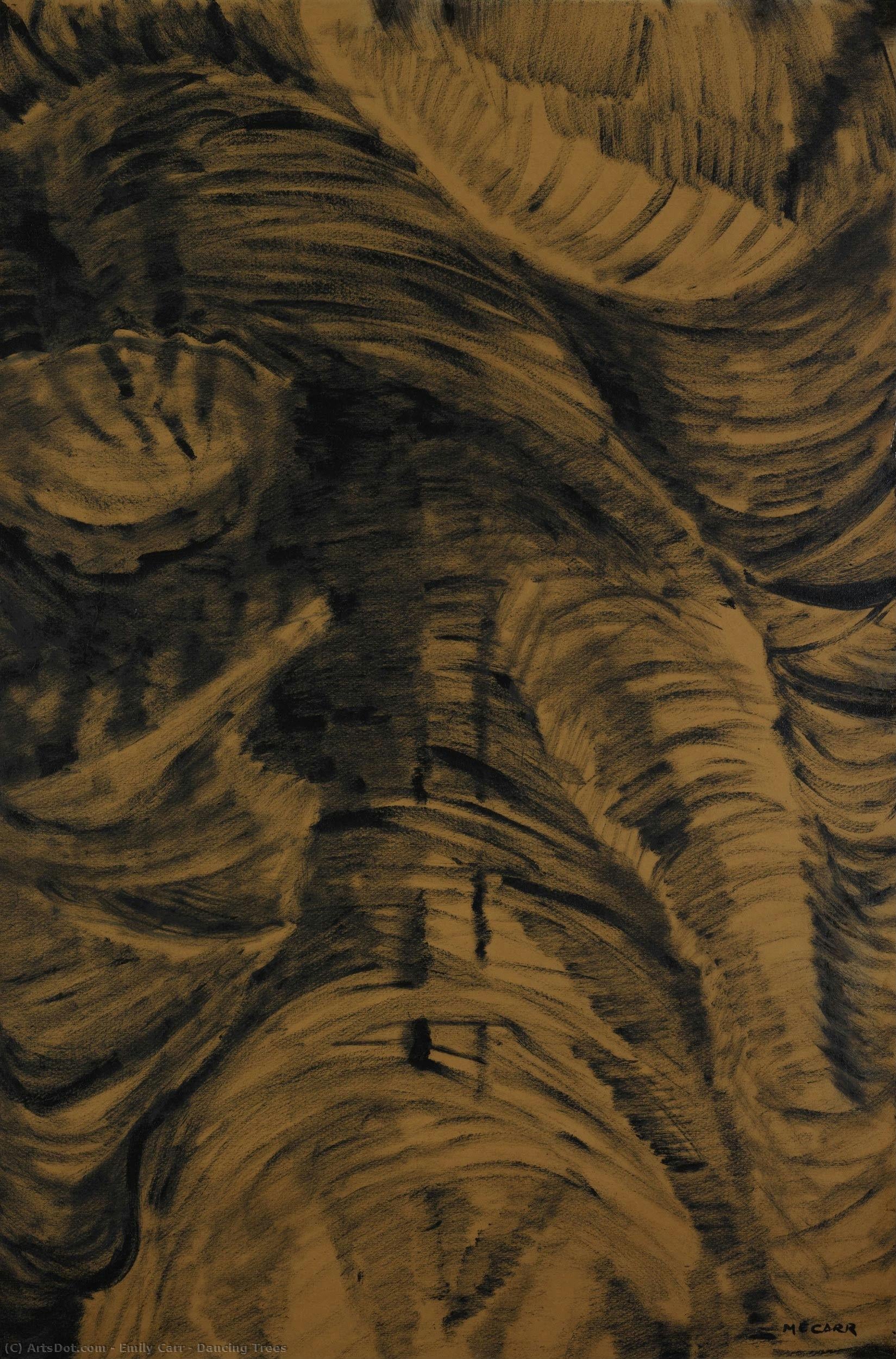
Dancing Trees

Emily Carr - Dancing Trees: Surrealist landscape painting capturing BC's spirit. Explore vibrant brushstrokes and symbolism inspired by First Nations culture. A masterpiece of Canadian Modernism.

Emily Carr (1871-1945) – kanadyjska malarka, pionierka sztuki nowoczesnej. Jej mocne obrazy BC i kultury rdzennych Amerykanów łączą postimpresjonizm z unikalną wizją. Ikona Kanady!

Ręcznie malowana reprodukcja olejowa

Ręcznie malowany olej na płótnie w Twoim wymiarze i ramie, tworzony na zamówienie przez naszych artystów.

P118B $10
P118H $10
P118W $10
P438Z $10
P508JH $12
P508YH $12
P805H $10
P805Z $10
P919BZ $10
P919G $10
P919XJ $10
P959ZH $10
P968JZ $12
W106C $8
W218G $10
W218JH $8
W218Y $10
W307PJ $10
W316G $10
W316PJ $8
W316Y $10
W398PJ $8
W4111J $10
W500HY $15
W500JH $15
W692G $12
W849H $8
W940BG $15
W953PJ $8

Standard
custom
CM
INCH

Wybierz spośród naszych predefiniowanych rozmiarów, które zachowują oryginalne proporcje dzieła sztuki.

szerokość
wysokość

Możesz wprowadzić własne wymiary, aby dopasować obraz do konkretnej ramy lub przestrzeni. Jeśli wybrany rozmiar nie będzie odpowiadał proporcjom oryginału, przytniecie dzieło sztuki lub rozszerzymy je o dodatkowe elementy, ręcznie domalowane przez artystę. Przed rozpoczęciem produkcji wyślemy projekt cyfrowy do Twojej akceptacji.
Należy pamiętać, że podgląd na ekranie nie odzwierciedla rzeczywistego przycinania ani rozszerzania obrazu. Tylko projekt dokładnie pokaże ostateczną kompozycję.
Choć oferujemy możliwość zamówienia niestandardowych rozmiarów, zalecamy wybór wymiaru z gotowej listy, aby zachować oryginalne proporcje dzieła.

Przykłady możliwych zmian: Zamień twarz na zdjęcie klienta; Dodaj zwierzę domowe (np. zamień kota na psa); Ukryj wiadomość w tle; Zmień krajobraz lub elementy tła.
Po złożeniu zamówienia zespół WahooArt.com skontaktuje się z klientem drogą mailową w celu uzyskania instrukcji i prześle wizualizację projektu

Dostawa na całym świecie () w ciągu 3/4 tygodni zamiast standardowych 5 tygodni. (2 Lipiec). Bez kompromisów w kwestii jakości.

why_choose_icon
Bezpłatna ekspresowa wysyłka na cały świat
why_choose_icon
Wysokiej jakości płótno lniane
why_choose_icon
Pełne ubezpieczenie przesyłki
why_choose_icon
Gwarancja zwrotu należności celnych
why_choose_icon
Gwarancja pełnego zgodności kolorystycznej
why_choose_icon
Polityka 60-dniowego zwrotu (tylko w przypadku wad)
why_choose_icon
Gwarancja 100% zwrotu pieniędzy
why_choose_icon
Zniżka przy większych zamówieniach

Suma całkowita

-

reproduction

Dancing Trees

Technika reprodukcji

Wymiary reprodukcji

-

Cena całkowita

-

Szybkie fakty

  • Subject or theme: Landscape; Trees
  • Artistic style: Post-Impressionism
  • Year: 1940
  • Medium: Oil
  • Location: McMichael Canadian Art Collection (Vaughan, Canada)
  • Movement: Group of Seven
  • Dimensions: 90 x 59 cm

Quiz o sztuce

Na każde pytanie istnieje tylko jedna poprawna odpowiedź.

Pytanie 1:
What is the primary subject matter of "Dancing Trees"?
Pytanie 2:
In what artistic movement is "Dancing Trees" primarily associated?
Pytanie 3:
What color dominates the background of the painting?
Pytanie 4:
Emily Carr created "Dancing Trees" in which decade?
Pytanie 5:
What technique is most prominently used by Emily Carr in this artwork?

Opis dzieła

Dancing Trees - Emily Carr (1871 - 1945) — A Pioneer's Vision of British Columbia

Emily Carr’s *Dancing Trees*, painted in 1937-40, stands as a testament to her unwavering dedication to capturing the spirit of British Columbia and its profound connection with Indigenous culture. More than just a landscape depiction, it embodies Carr’s distinctive artistic approach—a fusion of Post-Impressionism infused with an intuitive understanding of movement and symbolism—that cemented her place among Canada's foremost Modernist artists. This remarkable piece exemplifies Carr’s fascination with the interplay between nature and human emotion, reflecting her deep respect for both the natural world and its traditions.
  • Subject Matter: The painting portrays a grove of coniferous trees dominated by towering pines and firs, bathed in dappled sunlight filtering through the dense foliage. Carr meticulously observed these trees during her time spent sketching amongst First Nations communities near Skidegate, capturing their essence with unparalleled sensitivity.
  • Style & Technique: Carr’s signature technique—characterized by bold brushstrokes and a vibrant palette—is evident throughout *Dancing Trees*. She employed thick impasto to convey the texture of bark and branches, layering paint onto canvas in swirling patterns that mimic the movement of wind through the trees. This dynamic approach distinguishes it from more static representations of landscapes prevalent during her era.
  • Historical Context: Created during Carr’s formative years as a Modernist artist—a period marked by experimentation with abstraction and a rejection of academic conventions—*Dancing Trees* reflects the broader artistic currents shaping British Columbia in the 1930s. Simultaneously, it underscores Carr's engagement with Indigenous perspectives on the environment, aligning her work with the growing awareness of First Nations’ spiritual connection to the land.
  • Symbolism: The painting is laden with symbolic significance. The swirling brushstrokes represent not merely wind but also the energy and vitality of life itself—a celebration of resilience and adaptability in the face of environmental challenges. Carr's deliberate use of color—particularly yellows and greens—evokes feelings of warmth, optimism, and harmony with nature.
  • Emotional Impact: *Dancing Trees* transcends mere visual representation; it communicates a profound emotional response to its subject matter. The painting inspires contemplation on the beauty and grandeur of the natural world while prompting reflection on humanity’s role in preserving ecological balance. It's a piece that resonates with viewers seeking solace, inspiration, and a deeper appreciation for Carr’s artistic vision.
McMichael Canadian Art Collection (Vaughan, Canada) holds this masterpiece, allowing visitors to experience firsthand the transformative power of Carr’s art—a legacy that continues to inspire artists and collectors alike. The painting's dimensions are 90.2 x 59.7 cm, and it was created in oil medium. Its provenance traces back to a generous gift from Dr. and Mrs. Max Stern, furthering its significance as an emblem of Canadian artistic heritage. Technique: Oil ## Emily Carr (1871 - 1945) — A Life Rooted in the Landscape and Spirit of British Columbia Emily Carr’s life unfolded against a backdrop of dramatic change—the burgeoning industrialization of British Columbia alongside the evolving relationship between Canada and its Indigenous peoples. Born December 13, 1871, in Victoria, BC, she inherited from her parents a deep appreciation for both tradition and progress—a duality that profoundly shaped her artistic trajectory. From an early age, Carr demonstrated exceptional talent for art, nurtured through formal instruction and fueled by an unwavering fascination with the landscapes of Vancouver Island and its surrounding region. Her formative years were marked by exposure to Indigenous culture, influencing her worldview and informing her artistic explorations. Carr’s artistic journey began in earnest during her student days at Chelsea School of Art in London—where she honed her skills in Impressionism and experimented with innovative techniques—before returning to BC to dedicate herself to capturing the essence of its wilderness. Her unwavering commitment to portraying the natural world—particularly the towering forests and rugged coastline—became a defining characteristic of her oeuvre, establishing her as one of Canada’s foremost Modernist artists. Throughout her prolific career, Carr relentlessly pursued artistic excellence, blending Post-Impressionism with an intuitive understanding of movement and symbolism—a stylistic hallmark that distinguishes her work from more conventional landscape paintings of the time. Carr's profound engagement with Indigenous culture extended beyond mere observation; it permeated her artistic vision—inspiring her to explore themes of spirituality, resilience, and harmony with nature. Her meticulous attention to detail—evident in her sketches and paintings—reflected her deep respect for both the natural world and its traditions—a conviction that underpinned her entire artistic practice. Emily Carr’s legacy endures as an inspiration to artists worldwide—a testament to her unwavering dedication to capturing the beauty and grandeur of British Columbia through a lens of profound emotional resonance. ## Dancing Sunlight — Exploring the Magic of BC's Forests “Dancing Sunlight,” created in 1937-40, exemplifies Carr’s masterful ability to transform observation into artistic expression—capturing not merely what is seen but also what is felt. The painting depicts a grove of coniferous trees bathed in dappled sunlight—a scene that Carr meticulously documented during her time sketching amongst First Nations communities near Skidegate. Her technique—characterized by bold brushstrokes and a vibrant palette—is particularly striking in this piece, where she employs thick impasto to convey the texture of bark and branches—creating an immersive experience for the viewer. The painting’s composition is dominated by swirling brushstrokes that mimic the movement of wind through the trees—a deliberate choice reflecting Carr’s fascination with dynamism and capturing the energy of life itself. Her use of color—particularly yellows and greens—evokes feelings of warmth, optimism, and harmony with nature—underscoring her artistic vision's core values. *Dancing Sunlight* stands as a poignant reminder of Carr’s unwavering commitment to portraying the natural world with sensitivity and conviction—a legacy that continues to inspire artists and collectors alike. McMichael Canadian Art Collection (Vaughan, Canada) proudly showcases this remarkable artwork—allowing visitors to immerse themselves in Carr's artistic brilliance and appreciate the enduring power of her vision. Its dimensions are 90 x 59 cm, and it was created in oil medium. The painting’s provenance reflects its significance as an emblem of Canadian artistic heritage—a testament to Carr’s contribution to Modernist art history. Medium: Oil ## Dancing Trees — Emily Carr (1871 - 1945) — Reflections on Nature and Artistic Vision Carr's exploration of nature extended beyond mere visual representation; it encompassed a deep spiritual connection—inspiring her to imbue her paintings with symbolism that resonated with profound emotional depth. *Dancing Trees*, created in 1937-40, embodies this conviction—reflecting Carr’s unwavering dedication to portraying the natural world with sensitivity and conviction. The painting's swirling brushstrokes capture not merely wind but also the energy of life itself—a celebration of resilience and adaptability—while its vibrant palette evokes feelings of warmth and optimism. Carr’s technique—characterized by bold impasto and meticulous attention to detail—is particularly noteworthy in *Dancing Trees*, where she employs thick paint layers to convey the texture of bark and branches—creating an immersive experience for the viewer. Her stylistic choices—influenced by Impressionism and Post-Impressionism—distinguish her work from more conventional landscape paintings of the time—establishing her as one of Canada’s foremost Modernist artists. The painting's symbolism—rooted in Indigenous perspectives on the environment—underscores Carr’s artistic vision's core values—reflecting her deep respect for both nature and its traditions. McMichael Canadian Art Collection (Vaughan, Canada) houses this masterpiece—allowing visitors to contemplate Carr’s artistic brilliance and appreciate the enduring power of her vision—a legacy that continues to inspire artists worldwide. Its dimensions are 90 x 59 cm, and it was created in oil medium. The painting's provenance reflects its significance as an emblem of Canadian artistic heritage—a testament to Carr’s contribution to Modernist art history. Medium: Oil

Podobne dzieła sztuki


Biografia artysty

Emily Carr – A Life Rooted in the Landscape and Spirit of British Columbia

Emily Carr, born December 13, 1871, in Victoria, British Columbia, was more than just a painter; she was a chronicler of a changing world, a passionate observer of both the natural majesty of the Pacific Northwest and the rich cultural heritage of its First Nations peoples. Her life unfolded against the backdrop of a rapidly evolving Canada, a nation grappling with its identity and relationship to its Indigenous populations. The daughter of Richard Carr, an English immigrant who sought opportunity in the burgeoning colony, and Emily Saunders, she grew up in a household that valued both tradition and progress. This duality would profoundly shape her artistic vision. From an early age, encouraged by her father, Emily displayed a remarkable aptitude for art, a talent nurtured through formal instruction and a deep connection to the surrounding landscape. The imposing forests of Vancouver Island, the rugged coastline, and the vibrant life within them became enduring sources of inspiration. However, it was not merely the visual beauty that captivated Carr; she sought to capture the *spirit* of this land, its inherent power and mystery.

Early Years and Artistic Foundations

Emily Carr’s formative years instilled in her a profound appreciation for both English heritage and Canadian identity—a duality that would permeate her artistic worldview throughout her life. Her father, Richard Carr, was born in Crayford, Kent, England, and embarked on extensive travels across Europe, the Americas, and the Caribbean in pursuit of entrepreneurial ventures. He returned to England briefly with Emily’s mother, Emily Saunders, to savor the wealth he had amassed as a merchant in California, before establishing his family home permanently in Victoria in 1863. The Carr household was situated on Birdcage Walk (now Government Street), in the James Bay district of Victoria—a short distance from the legislative buildings (“lsquo;Birdcages’) and the town itself—and embodied the grandeur of Victorian England amidst the burgeoning frontier spirit of British Columbia. Her father’s insistence on a “Canadian education” for his daughters contrasted sharply with the prevailing social norms, shaping Emily's early understanding of cultural identity. She attended local primary and secondary schools in Victoria, prioritizing academic rigor alongside artistic exploration—a commitment that would define her lifelong pursuit of knowledge and creative expression. Carr received early art instruction at home from her father, who recognized her innate talent and fostered her passion for painting. He gifted her *The Boy’s Own Book of Natural History*, demonstrating his belief in the importance of scientific observation alongside artistic appreciation—a conviction that would inform Carr's meticulous approach to depicting landscapes and capturing the essence of Indigenous cultures. This early exposure to art instilled in her a lifelong fascination with visual representation, preparing her for the transformative experiences she would encounter during her subsequent studies abroad. Her mother’s untimely death from tuberculosis at age fourteen profoundly impacted Emily’s life trajectory—leaving her orphaned and necessitating a shift towards independent living under the guardianship of Edith Carr—a circumstance that further solidified her determination to forge her own path in pursuit of artistic fulfillment.

Formal Training and European Influences

Emily Carr pursued formal art training initially at the San Francisco Art Institute (1890-1892), immersing herself in American Impressionist aesthetics before relocating to London in 1899—where she enrolled at Westminster School of Art, seeking guidance from prominent instructors and honing her artistic technique. Her time in London coincided with a burgeoning interest in European artistic currents, particularly Post-Impressionism—influences that would profoundly shape Carr’s distinctive style. She traveled extensively throughout Europe during this period, absorbing inspiration from artists such as Vincent van Gogh, Claude Monet, and Camille Pissarro—whose bold colors and expressive brushstrokes resonated deeply with Carr's own artistic sensibilities. Furthermore, she attended Meadows Studio at Bushey Hertfordshire, where she studied under John Whiteley—a pivotal encounter that solidified her commitment to mastering traditional painting methods while simultaneously experimenting with innovative techniques. These formative experiences instilled in her a disciplined approach to artmaking—one that would serve as the bedrock of her enduring legacy.

The Spirit of British Columbia and Indigenous Inspiration

Carr’s artistic vision was irrevocably shaped by her unwavering connection to the landscapes and cultures of British Columbia—a region she regarded as possessing an unparalleled spiritual vitality. She returned to Victoria after completing her studies in London, establishing a studio and dedicating herself to capturing the majesty of the Pacific Northwest forests with uncompromising honesty and passion. Her paintings are characterized by bold colors, dynamic brushstrokes, and an almost visceral energy—reflecting her profound engagement with the natural world and her desire to convey its inherent power and beauty. However, Carr’s artistic exploration extended far beyond mere landscape depiction; she sought to capture the *spirit* of British Columbia—its intangible essence—through meticulous observation and expressive technique. This quest for authenticity led her to embark on numerous expeditions into remote Indigenous villages along the coast—where she documented totem poles, ceremonial rituals, and daily life with reverence and respect. These encounters profoundly impacted Carr’s artistic worldview—inspiring her to infuse her paintings with a spiritual depth that distinguished them from conventional representations of nature. Carr's exploration of First Nations culture was not merely an aesthetic endeavor; it represented a genuine commitment to preserving Indigenous traditions and documenting their unique worldview—a conviction that fueled her tireless efforts to capture the essence of Northwest Coast art and spirituality. Her paintings stand as powerful testimonies to this cultural engagement—reflecting her profound understanding of symbolism, mythology, and the interconnectedness between humans and nature. As she matured, Carr’s artistic style evolved—embracing abstraction while retaining a steadfast connection to her formative experiences—solidifying her position as one of Canada's most innovative and influential modernist painters. Her legacy continues to inspire artists today—serving as a reminder of the transformative power of observation, experimentation, and unwavering devotion to artistic vision. ## Major Works
  • Tanoo (watercolor): A delicate yet powerful depiction of First Nations life, showcasing Carr’s mastery of watercolor techniques.
  • A Haida Village (oil): A striking oil painting that captures the architectural grandeur and spiritual significance of a Haida village.
  • The Indian Church (oil): A poignant representation of the intersection between Indigenous culture and Christian missionary influence, reflecting Carr’s complex engagement with colonial history.
  • Kispiox Village (oil): An iconic painting that embodies Carr's unique style and her deep connection to the landscapes and communities of British Columbia.
Emily Carr remains a beacon of Canadian artistic achievement—a testament to unwavering dedication, profound observation, and an enduring passion for capturing the spirit of both landscape and culture.
Emily Carr

Emily Carr

1871 - 1945 , Kanada

Kluczowe informacje

  • Artistic Movement Or Style: Modernism, Post-Impressionism
  • Artists Or Movements Influenced By This Artist: ['Pegi Nicol Macleod']
  • Date Of Birth: Dec 13, 1871
  • Date Of Death: Mar 2, 1945
  • Full Name: Emily Carr
  • Nationality: Canadian
  • Notable Artworks:
    • Tanoo
    • A Haida Village
    • The Indian Church
  • Place Of Birth: Victoria, Canada
Odkryj dzieła sztuki uporządkowane według tematów, stylów i cech charakterystycznych.