Podgląd w skaliPodgląd w skali Podgląd ARPodgląd AR Przełącz na wydruki Przełącz na wydrukiPrzełącz na obraz cyfrowy Przełącz na obraz cyfrowy Wyślij jako kartkęWyślij jako kartkę
Szczegóły dziełaSzczegóły dzieła Dodaj do ulubionych Dodaj do ulubionych PobierzPobierz Podobne obiektyPodobne obiekty RTGRTG Pokaz slajdówPokaz slajdów StatystykiStatystyki

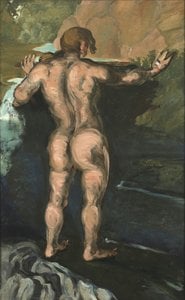
Yearning

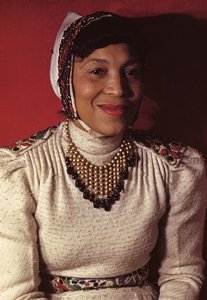
Zora Neale Hurston (1891-1960): Author, anthropologist & Harlem Renaissance figure. Explore her art portraying Black life, folklore, and themes of identity & gender.

Ręcznie malowana reprodukcja olejowa

Ręcznie malowany obraz olejny na płótnie, wykonany na zamówienie przez naszych artystów w wybranym przez Ciebie wymiarze i oprawie. (Przełącz na wydruki Przełącz na wydrukiPrzełącz na obraz cyfrowy Przełącz na obraz cyfrowy)

Standardowy rozmiar
na wymiar
CM
INCH

Wybierz spośród naszych standardowych rozmiarów, które zachowują oryginalne proporcje dzieła sztuki.

szerokość
wysokość

Możesz wprowadzić własne wymiary, aby dopasować obraz do konkretnej ramy lub przestrzeni. Jeśli wybrany rozmiar nie będzie odpowiadał proporcjom oryginału, przytniecie dzieło sztuki lub rozszerzymy je o dodatkowe elementy, ręcznie domalowane przez artystę. Przed rozpoczęciem produkcji wyślemy projekt cyfrowy do Twojej akceptacji.
Należy pamiętać, że podgląd na ekranie nie odzwierciedla rzeczywistego przycinania ani rozszerzania obrazu. Tylko projekt dokładnie pokaże ostateczną kompozycję.
Choć oferujemy możliwość zamówienia niestandardowych rozmiarów, zalecamy wybór wymiaru z gotowej listy, aby zachować oryginalne proporcje dzieła.

Przykłady możliwych zmian: Zamień twarz na zdjęcie klienta; Dodaj zwierzę domowe (np. zamień kota na psa); Ukryj wiadomość w tle; Zmień krajobraz lub elementy tła.
Po złożeniu zamówienia zespół WahooArt.com skontaktuje się z klientem drogą mailową w celu uzyskania instrukcji i prześle wizualizację projektu

Dostawa na całym świecie () w ciągu 3–4 tygodni zamiast standardowych 5 tygodni. (8 Wrzesień). Bez kompromisów w kwestii jakości.

why_choose_icon
Bezpłatna ekspresowa wysyłka na cały świat
why_choose_icon
Wysokiej jakości płótno lniane
why_choose_icon
Pełne ubezpieczenie przesyłki
why_choose_icon
Gwarancja zwrotu należności celnych i podatków importowych
why_choose_icon
Gwarancja wiernego odwzorowania kolorów
why_choose_icon
100-dniowa polityka zwrotów (tylko w przypadku wad)
why_choose_icon
Gwarancja 100% zwrotu kosztów
why_choose_icon
Zniżka przy zamówieniu wielu produktów

Suma całkowita

$ 272

reproduction

Yearning

Technika reprodukcji

Wymiary reprodukcji

-

Cena całkowita

$ 272

To Zora Petrović, female nudes represented the embodiment of vitality and emotionality, contrary to those artists who painted female nudes as only one of the motifs available to painters. As with some European modernists, the image of the human body enabled Zora to present the psychological states and depict the changes and transience of the physical human existence. She had been interested in this motif from her school days when she would sneak into the senior life drawing evening classes. The composition of her nudes was, as a rule, very simple, since a painting with a more complex organization would not permit the expressive artistic technique she used: fast painting and an energetic handwriting which resulted in the directness and spontaneity of the finished piece. This is how the Yearning was painted, one of Zora Petrović’s early nudes, but already with a discrete narrative structure especially accentuated by the use of visual means. It was painted quickly just like her other paintings in order for the nervous pulsation of her being to contribute to the agility and vitality of the painted figure. What is more, the tide of energetic, sliding brushstrokes, almost imprinted in the dark, brown tones which appear both on the figure and the space in which it is situated, permeated with their agility all the surfaces creating a special, but at the same time erotic and anxious atmosphere. The weight, density and abundance of paste and the artist’s gesture as an expression of the inner rhythms of existence represent a significant part of meaning in this painting. At the same time, these are the characteristics of Zora Petrović’s painting that she never questioned, from the early thirties to the end of her life.

O artyście

Zora Neale Hurston: Life & Legacy

Early Life and Education

  • Born on January 7, 1891, in Notasulga, Alabama, Zora Neale Hurston was a pivotal figure in American literature and anthropology.
  • Her family relocated to Eatonville, Florida, in 1894, a town that would profoundly influence her writing, becoming the setting for many of her stories.
  • Following her mother’s death in 1904, Hurston faced various challenges but continued her education, eventually attending Morgan Academy and later Howard University.
  • She pursued studies at Barnard College, where she was a member of Alpha Kappa Alpha sorority, and Columbia University, conducting anthropological research.

Anthropological Work & Folklore

  • Hurston’s academic pursuits led her to become a prominent anthropologist, focusing on the folklore and traditions of African American communities in the South and the Caribbean.
  • She conducted extensive fieldwork, collecting oral histories, songs, and stories – particularly concerning Hoodoo practices and Caribbean Vodou.
  • Her research was groundbreaking for its time, offering an authentic portrayal of Black culture from an insider’s perspective.
  • Notable anthropological publications include “Mules and Men” (1935), a collection of African American folklore.

Literary Career & Major Works

  • Hurston's literary career blossomed alongside her anthropological work, producing novels, short stories, essays, and plays.
  • Her most celebrated novel, Their Eyes Were Watching God (1937), explores the journey of Janie Crawford as she seeks self-discovery and independence in the early 20th-century South.
  • Other significant works include “Jonah’s Gourd Vine” (1934) and “Moses, Man of the Mountain” (1939).
  • She also penned several collections of short stories and essays showcasing her unique voice and perspective.

Influences & Artistic Development

  • Hurston’s writing style was heavily influenced by the vernacular language and storytelling traditions she encountered during her anthropological research.
  • She embraced dialect and incorporated it authentically into her characters' dialogue, capturing the richness and complexity of Black Southern speech.
  • Her work challenged prevailing stereotypes and offered nuanced portrayals of African American life.
  • While not directly influenced by a specific artistic movement in terms of style, she was a key figure *within* the Harlem Renaissance, contributing to its vibrant cultural landscape.

Historical Significance & Legacy

  • Despite achieving recognition during her lifetime, Hurston faced financial hardship and her work fell into relative obscurity after her death in 1960.
  • Her rediscovery in the 1970s, largely due to the efforts of Alice Walker, who championed her work, cemented her place as a major American author.
  • Hurston’s writing continues to inspire writers and scholars today, offering valuable insights into race, gender, identity, and Southern culture.
  • Her contributions to anthropology remain significant, providing invaluable documentation of African American folklore and traditions.

Selected Works Available at WahooArt

  • “5 Letters” – A collection offering a glimpse into her personal experiences.
  • “Portrait of Pavle Beljanski” - Showcasing her artistic side and friendship with fellow writer Pavle Beljanski.
  • “Yearning”
Zora Neale Hurston

Zora Neale Hurston

1891 - 1960 , United States of America

Krótka nota

  • Birth Date: January 7, 1891
  • Birth Place: Natosulga, Alabama, United States
  • Death Date: 1960
  • Influenced: Alice Walker
  • Movement: Harlem Renaissance
  • Name: Zora Neale Hurston
  • Nationality: American
  • Notable Works:
    • Their Eyes Were Watching God
    • 5 Letters
    • Portrait of Pavle Beljanski