Przełącz na wydruki Przełącz na wydrukiZamów ręcznie malowaną reprodukcję Zamów ręcznie malowaną reprodukcję Wyślij jako kartkęWyślij jako kartkę
Szczegóły dziełaSzczegóły dzieła Dodaj do ulubionych Dodaj do ulubionych PobierzPobierz Podobne obiektyPodobne obiekty Pokaz slajdówPokaz slajdów StatystykiStatystyki

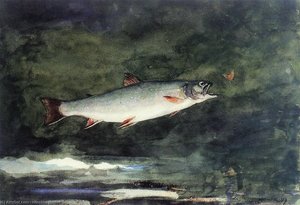
Bass

Winslow Homer’s *Channel Bass* captures a dynamic watercolor moment of a Florida fisherman reeling in a massive bass, showcasing his mastery and observation skills. Explore this iconic American painting and bring its beauty into your home.

Winslow Homer (1836-1910): Ikoniczny amerykański realistyczny malarz słynący z obrazów morskich i krajobrazów XIX wieku. Odkryj arcydzieła takie jak "The Gulf Stream" i "Breezing Up".

Kup wysokiej rozdzielczości, ulepszony obraz cyfrowy o znacznie wyższej jakości niż podgląd online.

Każdy plik jest starannie przygotowywany przez naszych specjalistów przy użyciu zaawansowanych narzędzi oraz profesjonalnej, ręcznej retuszy. Dbamy o to, aby każdy obraz cechował się wyjątkową ostrością, precyzyjnym odwzorowaniem kolorów i subtelnymi detalami.

Ostateczny plik dostarczany jest drogą mailową w ciągu 72 godzin, zoptymalizowany do natychmiastowego wykorzystania w profesjonalnych zastosowaniach redakcyjnych i poligraficznych. To ta sama jakość, której ufają czołowe studia projektowe, wydawnictwa oraz galerie sztuki.

Obraz cyfrowy

Pobierz plik o wysokiej rozdzielczości do osobistego wyświetlania, druku oraz projektów kreatywnych. (Przełącz na wydruki Przełącz na wydrukiZamów ręcznie malowaną reprodukcję Zamów ręcznie malowaną reprodukcję)

Suma do zapłaty

$ 24,90

W każdym zamówieniu na obraz cyfrowy znajduje się

Profesjonalna dostawa cyfrowa z gwarancją

Wybierając WahooArt.com, nie otrzymujesz jedynie obrazu – otrzymujesz profesjonalnie udoskonalone cyfrowe dzieło sztuki, stworzone z najwyższą precyzją i objęte gwarancją satysfakcji. Oto wszystko, co automatycznie dołączane jest do Twojego zamówienia:

shipping_icon
Błyskawiczna wysyłka e-mailowa

Plik z obrazem cyfrowym w wysokiej rozdzielczości zostanie przesłany na Twój adres e-mail w ciągu 72 godzin od złożenia zamówienia – gotowy do natychmiastowego użycia.

canvas_icon
Plik cyfrowy wzbogacony przez AI

Twoja grafika została profesjonalnie zoptymalizowana przy użyciu zaawansowanych narzędzi AI oraz ręcznej edycji, co zapewnia maksymalną szczegółowość, klarowność i wierność kolorów.

insurance_icon
Dożywotnia darmowa ponowna dostawa

Przypadkowo usunąłeś lub zgubiłeś swój plik? Bez obaw – prześlemy go Tobie ponownie w dowolnym momencie, bez żadnych opłat.

tax_icon
Bez opłat importowych – zawsze

Ciesz się swoją sztuką natychmiast, bez żadnych opłat celnych, należności ani kosztów dostawy – pliki cyfrowe są zawsze wolne od podatku.

color_icon
Gwarancja wierności kolorów

Dzięki zastosowaniu profesjonalnych narzędzi i procesów zarządzania barwą zapewniamy, że Twoje cyfrowe zdjęcie odzwierciedla oryginalne kolory tak wiernie, jak to tylko możliwe.

return_icon
100-dniowa gwarancja satysfakcji

Jeśli nie będziesz zadowolony ze swojego cyfrowego obrazu, poprawimy go lub zwrócimy 100% kosztów w ciągu 100 dni – bez zbędnych pytań.

guarantee_icon
100% Gwarancja zwrotu pieniędzy

Nie jesteś zadowolony? Otrzymaj pełny zwrot kosztów w ciągu 100 dni od otrzymania pliku cyfrowego – bez zbędnych pytań.

discount_icon
Rabaty przy zamówieniach hurtowych

Kup 3 obrazy, oszczędź 10% - Kup 5, oszczędź 15% - Kup 10+, oszczędź 20%. Idealne do projektów kreatywnych, galerii i agencji.

Szybki podgląd

  • Title: Bass
  • Subject or theme: Fishing; Nature's beauty; Coastal landscape
  • Movement: American Impressionism
  • Artist: Winslow Homer
  • Medium: Watercolor
  • Location: The Metropolitan Museum of Art
  • Year: 1904

A Moment Frozen in Time: Winslow Homer’s *Channel Bass*

Winslow Homer, born in Boston in 1836, wasn't molded by the formal academies of Europe; his artistic development unfolded uniquely within the American landscape. Unlike many of his peers who pursued classical training abroad, Homer honed his craft through practical experience—beginning with a lucrative career as an illustrator for Harper’s Weekly at just twelve years old. This early apprenticeship instilled in him an unparalleled ability to capture scenes with remarkable clarity and detail – skills that would become cornerstones of his mature oeuvre. He wasn't absorbing perspective from Parisian studios; he was learning to *see* America, its people, and the unfolding narrative of its nationhood. The bustling streets of Boston, the serene beauty of New England’s rural vistas—these were his initial subjects, rendered with a precision born of necessity for the demands of print media. This foundational understanding profoundly shaped his approach to painting, propelling him toward explorations of nature and human experience that would define his legacy.

Subject Matter: The Pursuit of Beauty in Florida's Wild Waters

Winslow Homer’s *Channel Bass*, completed in 1904 during a trip to Homosassa, Florida, exemplifies Homer’s fascination with the natural world and its capacity for inspiring artistic contemplation. Unlike grand historical canvases that often dominate the art canon, Homer focused on capturing a single, arresting scene: a fisherman attempting to reel in a sizable bass from the Gulf Coast waters. The painting isn't merely a depiction of fishing; it’s an encapsulation of Florida’s vibrant ecosystem—a testament to Homer’s keen observation and his ability to distill complex natural phenomena into a powerfully evocative image. The presence of two figures on shore adds a human element, subtly contrasting with the dominant force of the aquatic environment.

Style & Technique: Watercolor Mastery – Homer's Signature Approach

Homer’s masterful use of watercolor is immediately apparent. He eschewed oil paints—a technique favored by many of his contemporaries—opting instead for a medium that allowed for luminous washes and delicate gradations of color. This choice reflects Homer’s belief in capturing the fleeting beauty of nature, prioritizing atmospheric effects over meticulous detail. The artist employed loose brushstrokes to convey movement and texture, particularly evident in the ripples on the water surface and the musculature of the bass itself. Homer's technique prioritized conveying emotion and atmosphere above all else—a hallmark of his distinctive style that distinguishes him from other painters of his era.

Symbolism & Emotional Resonance: More Than Just Fish

Beyond its straightforward representation of fishing, *Channel Bass* resonates with deeper symbolic meanings. The bass itself represents strength, resilience, and the primal instinct for survival—themes prevalent in Homer’s broader artistic vision. Simultaneously, the fisherman embodies humanity's relationship with nature – a striving to understand and harness its power while acknowledging its inherent beauty. The painting captures not just a moment of action but also an emotional state: quiet anticipation mingled with respect for the natural world. Homer skillfully conveys this feeling through subtle tonal variations and carefully positioned figures, inviting viewers to contemplate the profound connection between man and environment.

A Legacy of Observation – Homer’s Enduring Influence

Winslow Homer's *Channel Bass* stands as a cornerstone of American Impressionism—a movement that championed capturing fleeting impressions of light and color rather than striving for photographic realism. Its enduring appeal lies in Homer’s unwavering commitment to honest observation and his ability to transform simple subjects into emotionally resonant artworks. Today, reproductions of this iconic painting continue to inspire artists and collectors alike, cementing Homer's place as one of America’s greatest landscape painters—a true visionary who captured the spirit of his time and bequeathed a timeless masterpiece to posterity.

Biografia artysty

Winslow Homer (1836-1910): A Brush With the American Spirit

Winslow Homer, born in Boston in 1836, wasn’t sculpted by the traditional European art academies that shaped so many of his contemporaries. Instead, he emerged from a distinctly American experience, one rooted in practicality and observation. His journey began not with grand historical canvases, but as a commercial illustrator at the tender age of twelve for Harper's Weekly. This early apprenticeship was formative, honing an exceptional ability to capture scenes with clarity and detail – skills that would become hallmarks of his mature work. He wasn’t learning perspective in Paris; he was learning to *see* America, its people, and its unfolding story. The bustling streets of Boston, the quiet dignity of rural New England life, these were his first subjects, rendered with a precision born of necessity for the demands of print media. This foundation allowed him to transition into painting, initially in watercolor, before fully embracing the expressive potential of oil paints.

Early Life and Artistic Beginnings

Homer’s childhood was marked by a close relationship between his parents—Charles Savage Homer, a merchant with restless tendencies, and Henrietta Maria Benson Homer, a gifted amateur watercolorist who instilled in him a lifelong appreciation for artistic expression. His brother, Charles S. Homer Jr., pursued a successful career as a chemist, providing a contrasting perspective on the family’s ambitions. From a young age, Homer demonstrated an innate talent for drawing, sketching landscapes and portraits with remarkable accuracy. He began his formal artistic training at fourteen, studying briefly in Paris under Jean-Baptiste Camille Corot—a pivotal experience that exposed him to the Impressionist movement but ultimately solidified his commitment to a distinctly American aesthetic. This Parisian sojourn instilled in Homer a fascination with light and color, influencing his later paintings and establishing a foundation for his distinctive style.

The Civil War Years: Witnessing History Through Art

The outbreak of the Civil War profoundly impacted Homer’s artistic vision. Recognizing the opportunity to document the realities of conflict—rather than glorifying heroic battles—he accepted a commission from Harper's Weekly to chronicle life on the Union front lines. Unlike many artists of his time who idealized warfare, Homer eschewed grand narratives and focused instead on portraying the everyday experiences of soldiers and civilians—the quiet moments of grief, resilience, and camaraderie amidst devastation. His sketches and lithographs captured the grim beauty of battlefields—the mud, the smoke, the exhausted faces of men—offering a visceral portrayal of the human cost of war. This experience instilled in him an unwavering commitment to portraying truthfulness and compassion—values that would permeate his subsequent works. Homer’s Civil War drawings stand as unparalleled examples of journalistic art, demonstrating his ability to transform observation into powerful visual storytelling.

From Watercolor Landscapes to Monumental Oil Paintings

Initially experimenting with watercolor, Homer quickly mastered the medium's fluidity and luminosity, creating a prolific oeuvre of serene landscapes—primarily set in Maine—that celebrated the majesty of nature and captured the subtle nuances of light and atmosphere. His watercolors are characterized by delicate brushstrokes and vibrant colors—a testament to his meticulous attention to detail and his profound understanding of visual perception. However, Homer’s artistic ambition extended beyond watercolor; he sought to convey emotion and drama through larger canvases painted in oil. He achieved this goal with remarkable success, producing monumental paintings that commanded attention and evoked powerful responses from viewers. Works like *The Gulf Stream*—a dramatic depiction of a lone sailor battling the fury of the ocean—and *Breezing Up (A Fair Wind)*—a celebration of maritime life—demonstrate Homer’s mastery of technique and his ability to capture the sublime beauty of nature alongside its inherent dangers.

Legacy and Influence: An American Icon

Winslow Homer's enduring legacy rests on his unwavering commitment to portraying America with honesty and authenticity—rejecting romantic idealism in favor of a direct engagement with reality. He established himself as one of America’s foremost painters, influencing generations of artists who followed him—particularly those committed to realism and landscape painting. His distinctive style—characterized by solidity, texture, and masterful use of light—continues to inspire contemporary artists today. Homer's paintings remain treasured for their emotional depth and visual power—testaments to his profound understanding of the human condition and his ability to convey complex ideas through simple yet evocative imagery. He is remembered not merely as a painter but as a chronicler of American life, capturing its spirit and beauty with unwavering conviction.
Winslow Homer

Winslow Homer

1836 - 1910 , Stany Zjednoczone

Krótka nota

  • Artistic Movement Or Style: Realizm amerykański
  • Artists Or Movements Influenced By This Artist: ['Amerykańskie malarstwo']
  • Artists Who Influenced This Artist:
    • École de Barbizon
    • Courbet
    • Millet
  • Date Of Birth: 24 lutego 1836
  • Date Of Death: 29 września 1910
  • Full Name: Winslow Homer
  • Nationality: Amerykański
  • Notable Artworks:
    • Breezing Up
    • The Gulf Stream
    • Innocence
  • Place Of Birth: Boston, USA