DARMOWA KONSULTACJA ARTYSTYCZNA

x
Zamów reprodukcję Zamów reprodukcjęKup cyfrowy obraz Kup cyfrowy obraz UdostępnijUdostępnij
Szczegóły dziełaSzczegóły dzieła Dodaj do ulubionych Dodaj do ulubionych PobierzPobierz Podobne obiektyPodobne obiekty RTGRTG Pokaz slajdówPokaz slajdów

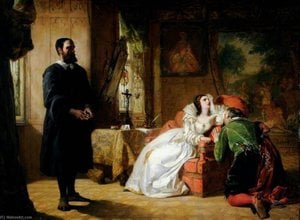
Katharina

William Powell Frith’s ‘Katharina’ is a captivating Victorian portrait showcasing a melancholic theatrical figure in rich detail. Explore Romanticism's drama & emotion through this oil painting.

William Powell Frith – angielski malarz słynący z obrazów przedstawiających życie społeczne epoki wiktoriańskiej, szczególnie sceny codzienności i panoramy miejskich. Jego dzieła, takie jak „Derby Day” oraz „Stacja Kolejowa”, ukazują szczegółową rzeczywistość i mają ogromną wartość kulturową.

Giclée / Wydruk artystyczny

Druk giclée lub płótno o jakości muzealnej z szybką realizacją i szerokim wyborem opcji wykończenia.

P118B $10
P118H $10
P118W $10
P438Z $10
P508JH $12
P508YH $12
P805H $10
P805Z $10
P919BZ $10
P919G $10
P919XJ $10
P959ZH $10
P968JZ $12
W106C $8
W218G $10
W218JH $8
W218Y $10
W307PJ $10
W316G $10
W316PJ $8
W316Y $10
W398PJ $8
W4111J $10
W500HY $15
W500JH $15
W692G $12
W849H $8
W940BG $15
W953PJ $8

Standard
custom
CM
INCH

Wybierz spośród naszych predefiniowanych rozmiarów, które zachowują oryginalne proporcje dzieła sztuki.

szerokość
wysokość

Możesz wprowadzić własne wymiary, aby dopasować dzieło do konkretnej ramy lub przestrzeni. Jeśli wybrany rozmiar nie będzie odpowiadał proporcjom oryginalnego obrazu, przytniecie dzieło lub rozszerzymy obraz za pomocą odbicia lustrzanego lub jednolitego wypełnienia krawędzi. Przed rozpoczęciem produkcji prześlemy cyfrową wizualizację do Twojej akceptacji.
Prosimy pamiętać, że podgląd na ekranie nie odzwierciedla faktycznego przycinania ani rozszerzania. Tylko wizualizacja dokładnie pokaże końcową kompozycję.
Mimo dostępności niestandardowych rozmiarów, zalecamy wybór wymiaru z listy zdefiniowanej, aby zachować oryginalne proporcje.

Dostawa na cały świat () w ciągu 2 tygodni zamiast standardowych 4/5 tygodni. (5 Lipiec)

why_choose_icon
Bezpłatna ekspresowa wysyłka na cały świat
why_choose_icon
Wysokiej jakości płótno lniane
why_choose_icon
Pełne ubezpieczenie przesyłki
why_choose_icon
Gwarancja zwrotu należności celnych
why_choose_icon
Gwarancja pełnego zgodności kolorystycznej
why_choose_icon
Polityka 60-dniowego zwrotu (tylko w przypadku wad)
why_choose_icon
Gwarancja 100% zwrotu pieniędzy
why_choose_icon
Zniżka przy większych zamówieniach

Suma całkowita

-

reproduction

Katharina

Giclée / Wydruk artystyczny

Wymiary reprodukcji

-

Cena całkowita

-

Szybkie fakty

  • Artist: William Frith
  • Subject or theme: Theatrical figure
  • Movement: Romanticism
  • Location: Cambridge University
  • Medium: Oil on canvas
  • Notable elements: Detailed, organic shapes
  • Influences: Wilkie

Quiz o sztuce

Na każde pytanie istnieje tylko jedna poprawna odpowiedź.

Pytanie 1:
What is the primary artistic movement associated with William Powell Frith’s ‘Katharina’?
Pytanie 2:
The costume worn by the figure in 'Katharina' is most likely intended to represent:
Pytanie 3:
What technique is most evident in Frith’s use of lines and shading to create the figure's form?
Pytanie 4:
Based on the description, what is a key element of the background in ‘Katharina’?
Pytanie 5:
William Powell Frith was a member of which group of artists known for their depictions of Victorian life?

Opis obiektu kolekcjonerskiego

A Portrait of Melancholy: William Powell Frith’s “Katharina”

William Powell Frith's "Katharina," painted circa 1851, is more than just a portrait; it’s a carefully constructed tableau of Victorian theatricality and subtle emotional depth. This captivating work, housed within the collections of the University of Cambridge, offers a glimpse into the social fabric of mid-19th century London through the eyes of one enigmatic figure. Frith, a master of genre painting and panoramic narrative scenes, meticulously crafted this image to capture not just likeness but also atmosphere and implied story.

The subject herself is shrouded in an air of quiet contemplation. Dressed in a lavish, yet somewhat faded, theatrical costume—a rich crimson gown adorned with intricate lace and a delicate veil—Katharina appears poised on the cusp of performance or perhaps, simply lost in her own thoughts. Her gaze, directed slightly downward, suggests introspection rather than outward engagement. The lighting, soft and diffused, is crucial to the painting’s effect; it avoids harsh contrasts, instead creating subtle shadows that define the contours of her face and clothing, lending a sense of both vulnerability and dignity.

The Romantic Palette and Precise Technique

Frith's masterful command of oil paint is immediately apparent. He employs a rich, layered technique, building up color gradually to achieve remarkable textural detail. The fabric of the gown appears almost tactile—one can practically feel the weight of the velvet and the delicate rustle of the lace. The artist’s use of line is equally deliberate; precise outlines define the figure's features and drapery, creating a sense of solidity and volume that anchors the composition. Notice how he uses short, broken brushstrokes to capture the shimmer of light on the fabric and the intricate details of the veil.

The background, deliberately blurred and indistinct, serves not as a distraction but as an integral part of the painting’s narrative. It hints at an outdoor setting—perhaps a stage or garden—but ultimately emphasizes the central figure. The atmospheric perspective – the subtle fading of colors in the distance – adds depth without overwhelming the viewer's attention.

A Victorian Stage and Symbolic Resonance

"Katharina" is deeply rooted in the conventions of Victorian theatricality, reflecting Frith’s fascination with public life and social rituals. The costume itself is laden with symbolic meaning; it speaks to the world of performance, role-playing, and the constructed identities that were prevalent within Victorian society. The melancholic expression on Katharina's face suggests a deeper emotional complexity beneath the surface – perhaps a longing for something unattainable or a recognition of the transient nature of beauty and fame.

Considering Frith’s broader artistic output, “Katharina” aligns with his penchant for depicting scenes of social interaction and moral commentary. His meticulous attention to detail and his ability to capture both the outward appearance and the underlying emotions of his subjects make this painting a compelling example of Victorian genre art. It invites us to contemplate not only the beauty of the portrait but also the broader cultural context in which it was created.

Further Exploration & Legacy

For those seeking deeper insights into Frith’s work and “Katharina,” resources such as the Art UK website () offer valuable information, including high-resolution images and scholarly essays. Wikipedia provides a comprehensive biographical overview of Frith's life and career (). These resources, along with the Mercer Art Gallery’s exhibition catalogue, provide a rich context for appreciating this remarkable portrait.

Podobne dzieła sztuki


Biografia artysty

Early Life and Training

William Powell Frith, a name synonymous with the vibrant tapestry of Victorian England, was born on January 9, 1819, in Aldfield, a small village nestled near Ripon in North Yorkshire. His early life, steeped in the traditions of his family’s hotel business – his father ran an inn in Harrogate – provided a grounding in observation and social interaction, qualities that would later profoundly shape his artistic vision. While initially intending to follow in his father's footsteps and pursue a career as an auctioneer, Frith’s innate talent for art quickly became apparent, prompting his family to encourage him to nurture his creative inclinations.

His formal artistic education began at Sass’s Academy in Charlotte Street, London, a prestigious institution renowned for its rigorous training. From there, he continued his studies at the Royal Academy Schools, immersing himself in the techniques and principles of classical art while simultaneously absorbing the burgeoning trends of the era. This dual approach – a respect for tradition alongside an openness to innovation – would be a defining characteristic of Frith’s artistic journey.

Career Highlights and Artistic Style

Frith's career blossomed in the mid-19th century, establishing him as one of Britain’s most celebrated artists. He quickly gained recognition for his ability to capture the essence of everyday life with remarkable detail and a keen eye for social commentary. A key influence on Frith was Sir David Wilkie, whose depictions of domestic scenes – particularly *The Chelsea Pensioners* – provided a model for the scale, composition, and narrative power that would become hallmarks of Frith’s work.

However, Frith didn't simply imitate Wilkie; he developed his own distinctive style. He was a master of genre painting, specializing in panoramic narratives that unfolded within public spaces – bustling markets, crowded racecourses, railway stations, and seaside resorts. His paintings are characterized by an astonishing number of figures, each rendered with meticulous precision, creating a sense of immersive realism. Frith’s use of photographic studies, pioneered by Robert Howlett, allowed him to achieve unprecedented levels of accuracy in depicting details such as clothing, architecture, and facial expressions – particularly evident in masterpieces like *The Derby Day*.

Notable works include Ramsgate Sands (1854), a lively depiction of seaside entertainment; The Derby Day (1858), a monumental painting capturing the chaotic energy of Epsom Downs Racecourse, so popular that railings were erected to allow spectators to view it more closely; *The Railway Station* (1862), a detailed portrayal of Paddington Station’s bustling activity; and *The Sleeping Model* (1853), his Diploma work at the Royal Academy, which explored the stark contrast between wealth and poverty. His final series, The Race for Wealth (1880), offered moral reflections on Victorian society through a sequence of five paintings.

Development and Later Years

Frith was not merely a painter; he was also a keen observer and insightful commentator on the social dynamics of his time. He meticulously documented the fashions, customs, and interactions of various social classes, offering a valuable visual record of Victorian England. He wrote two autobiographies, My Autobiography (1887) and Further Reminiscences (1888), providing intimate accounts of his artistic development, his encounters with prominent figures, and his perspectives on the art world.

Despite his immense success, Frith remained a traditionalist, expressing reservations about the direction of modern art. He valued craftsmanship and realism above all else, often lamenting what he perceived as a decline in artistic standards. Remarkably, Frith lived to witness significant changes in the art world during his long life, outliving many of his contemporaries from The Clique – a group of artists who shared his artistic sensibilities.

Historical Significance and Legacy

William Powell Frith’s paintings hold immense historical significance as they offer a unique window into Victorian England. His detailed depictions of everyday life provide invaluable insights into the social customs, fashion trends, and leisure activities of the era. He was one of the most commercially successful artists of his time, with his works widely admired and sought after by collectors and institutions.

Frith’s influence extends beyond his individual achievements. He significantly contributed to the development of genre painting in Britain, elevating it from a minor art form to a respected and popular genre. His meticulous attention to detail set a new standard for realism, inspiring generations of artists. Today, Frith's paintings continue to be exhibited and studied, serving as enduring reminders of a vibrant and transformative period in British history – a testament to the artist’s remarkable talent and insightful vision.

William Powell Frith

William Powell Frith

1819 - 1909 , Wielka Brytania

Kluczowe informacje

  • Artistic Movement Or Style: Pittura genowa
  • Artists Or Movements Influenced By This Artist: ['The Clique']
  • Artists Who Influenced This Artist: ['David Wilkie']
  • Date Of Birth: 9 stycznia 1819
  • Date Of Death: 2 listopada 1909
  • Full Name: William Powell Frith
  • Nationality: Angielski
  • Notable Artworks:
    • Ramsgate Sands
    • Derby Day
    • Stacja kolejowa
  • Place Of Birth: Aldfield, Wielka Brytania
Odkryj dzieła sztuki uporządkowane według tematów, stylów i cech charakterystycznych.