William Hogarth: A London Life in Ink and Paint
William Hogarth, urodzony w tętniącej życiem sercu Londynu w 1697 roku, był czymś więcej niż tylko artystą – był wizualnym historykiem, spostrzegawcą ludzkiej natury i satyrycznym komentatorem prądów społecznych jego czasów. Jego życie nieodłącznie splata się z tkanką samej Anglii, okresu przeobrażeń – rozwijających się ambicji, podświadomych lęków i wszechobecnych hipokryzji, które znalazły potężne odzwierciedlenie w jego niezwykle szczegółowych i często ostrej pracy. Syn ubogiego nauczyciela łaciny, Hogarth zyskał wczesne doświadczenia, które wykształciły w nim zarówno miłość do nauki, jak i ostry zmysł obserwacji nierówności społecznych – fundament, który miał wpłynąć na kształtowanie jego wizji artystycznej. Początkowo podnajęt jako grafik, szybko wykazał się talentem wykraczającym poza techniczną biegłość; posiadał naturalną zdolność do obserwowania niuansów zachowań ludzkich i przekładania ich na przekonujące narracje wizualne. Jednakże, znużony ograniczeniami tradycyjnego grafotwania, poszukiwał bardziej ekspresyjnej drogi twórczej. To doprowadziło go do studiów w St Martin’s Lane Academy oraz pod okiem Sir Jamesa Thornhilla, gdzie doskonalił swoje umiejętności malarskie i kompozycyjne, absorbując wpływy, które później ukształtowały jego unikalny styl.
The Birth of Modern Moral Subjects
Prawdziwa innowacja Hogartha nie polegała jedynie na *tym, co* malował, lecz na *jak*. Zapoczątkował to, co określił jako „nowe moralne tematy” – serie obrazów zaprojektowanych do opowiadania historii, często nacechowane silnym satyrycznym akcentem. Nie były to pojedyncze portrety czy krajobrazy; były to wizualne powieści rozwijające się przed oczami widza, oferujące celną krytykę współczesnego społeczeństwa.
A Harlot's Progress, stworzony w 1742 roku, stanowi przykład jego najbardziej znanych dzieł. Ta seria sześciu obrazów szczegółowo śledzi tragiczny upadek Mary, młodej kobiety przybyłej do Londynu pełnej nadziei, ale szybko poddanej pokusom i niebezpieczeństw miasta. Każdy z obrazów jest przedstawiony z dbałością o szczegóły, wypełniony symbolami, które ujawniają moralny rozkład otaczający ją. Podobnie,
A Rake's Progress, rozpoczęty w 1733 roku, śledzi bezwzględny upadek Toma Rakewella, mężczyzny, który marnuje swoje dziedzictwo na hazard, rozpustę i ostatecznie, szaleństwo. Te obrazy nie były jedynie ostrzeżeniami; były bezkompromisowymi portretami społeczeństwa zmagaającego się z problemami klasy, moralności i mobilności społecznej. Genialność Hogartha polegała na jego zdolności do podnoszenia codziennych scen – tętniących życiem ulic londyńskich, luksusowych wnętrz bogatych, skromnego życia biedaków – do dzieł sztuki, które rezonowały głęboko z jego publicznością. Nie uciekał od przedstawiania surowych rzeczywistości życia, prezentując je w połączeniu humoru i współczucia, zmuszając widzów do konfrontacji z niewygodnymi prawdami o sobie i swoim otoczeniu.
Technique and Influences: A Synthesis of Styles
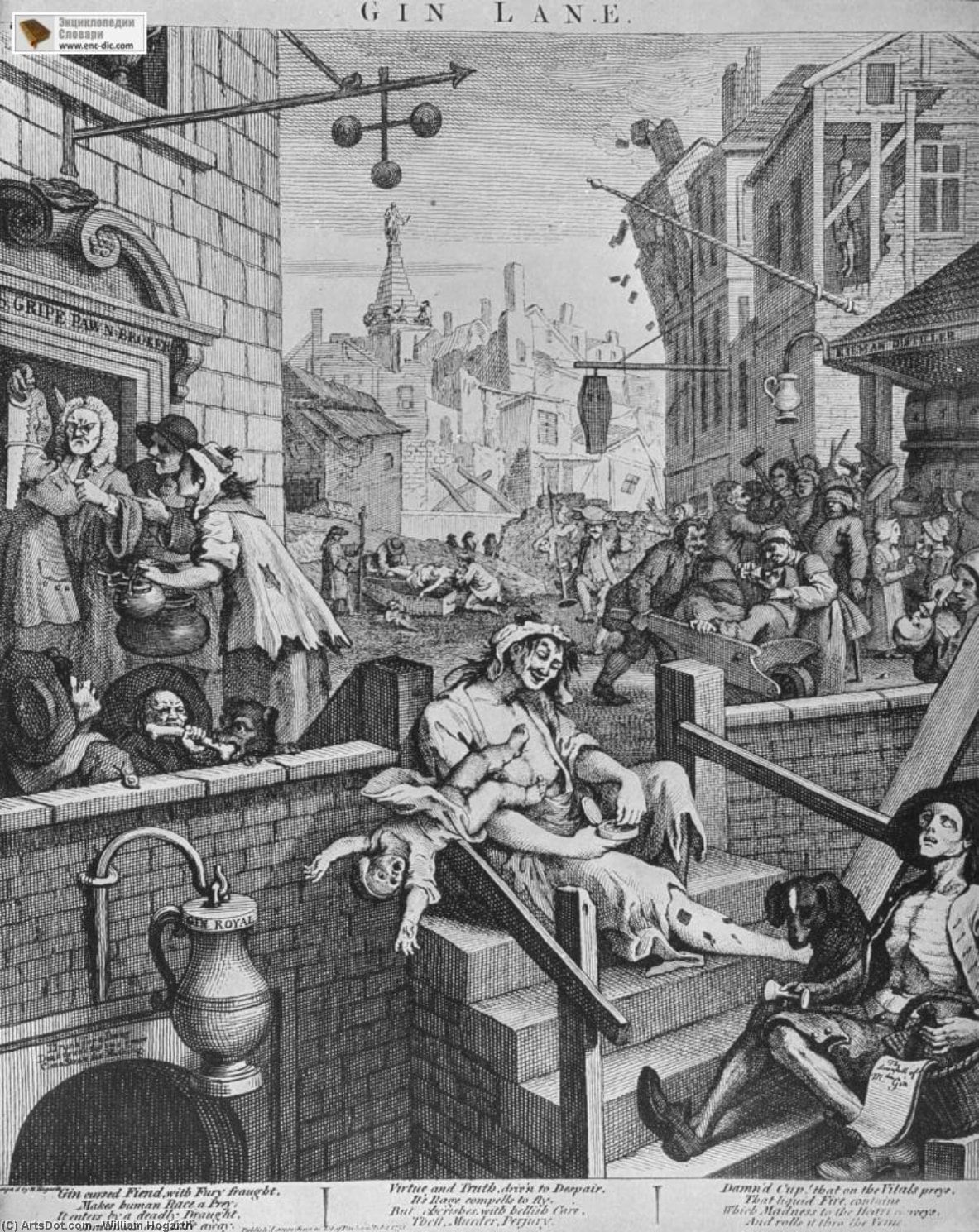
Styl artystyczny Hogartha był unikalną syntezą różnorodnych wpływów. Dużo cenił sobie realizm i narracyjny detale znalezionej w pracach malarzy niderlandzkich gatunkowych, takich jak Pieter de Hooch, widoczny w jego dokładnych przedstawieniach wnętrz i codziennego życia. Wpływ francuskich rysunków satyrycznych również odgrywał rolę w kształtowaniu jego podejścia do krytyki społecznej. Jednakże Hogarth nie po prostu naśladował te źródła; syntetyzował je, tworząc coś zupełnie nowego i wyraźnie własnego. Jego technika charakteryzowała się mistrzowską użyciem linii i cieniowania, szczególnie widocznym w jego rysunkach. Wykorzystywał charakterystyczną technikę krzyżowego hatchingu, która tworzyła głębię i fakturę, ożywiając jego sceny z niezwykłą klarownością. Posiadał również wyjątkowy oko do kompozycji, aranżując postacie i przedmioty w kadrze, aby tworzyć dynamiczne i angażujące narracje. Poza sztuką, Hogarth był inspirowany literaturą, szczególnie dziełami Jonathana Swifta i Henry'ego Fieldinga, których satyryczny humor informował jego własne obserwacje społeczne. Uważał, że sztuka nie powinna jedynie być piękna, ale także służyć celowi moralnemu, wyzwalając widzów do krytycznego myślenia o świecie wokół nich i swoim miejscu w nim. *Dążył do umieszczenia lustra przed naturą, odzwierciedlając zarówno jej piękno, jak i brzydotę z bezkompromisową szczerością.*
Legacy and Lasting Impact
Dziedzictwo Williama Hogartha wykracza daleko poza krąg sztuki XVIII wieku. Jego dzieła zyskały ogromną popularność dzięki masowej produkcji rysunków opartych na jego obrazach, czyniąc jego satyryczną krytykę dostępną dla szerszego grona odbiorców niż kiedykolwiek wcześniej. Uważany jest za prekursora współczesnych kartek politycznych i komiksów, kładącymi fundament pod wizualne opowiadanie historii w kulturze popularnej. Artystowie tacy jak James Gillray i George Cruikshank byli bezpośrednio inspirowani jego stylem, przekazując jego tradycję satyrycznej krytyki. Nawet Charles Lamb, słynny eseista, dostrzegał narracyjną moc obrazów Hogartha, zauważając, że są „jak książki do czytania, a nie tylko oglądania”.
- Hogarth ustanowił wyjątkową brytyjską tożsamość artystyczną.
- Jego dzieła dostarczają bezcenne wglądy w angielskie społeczeństwo XVIII wieku.
- Wpływał na pokolenia artystów i satyryków.
William Hogarth zmarł w 1764 roku, pozostawiając po sobie dziedzictwo, które nadal rezonuje współcześnie. Jest kluczową postacią w historii brytyjskiej sztuki, celebrowany za innowacyjny sposób opowiadania historii, bezkompromisową krytykę społeczną i trwałą zdolność do uchwycenia złożoności ludzkiego życia. Jego obrazy i rysunki nie są jedynie artefaktami historycznymi; są żywymi oknami w dawno minionej epoce, oferującymi ponadczasowe perspektywy na ludzkie pułapki i słabości.


 Podgląd w skali 1:1
 Przełącz na wydania drukowane
 Wyślij jako kartkę
 Udostępnij
 Szczegóły dzieła
 Przewodnik

 Pobierz obraz
 Podobne obiekty
 RTG
RTG Pokaz slajdów
 Q&A
Q&A Statystyki


 Rozwiń treść


