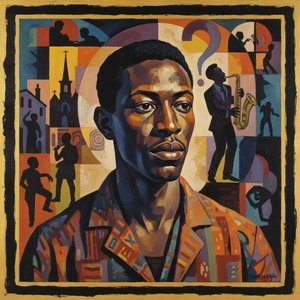
William H. Johnson: Głos Odporności i Wizji
William Henry Johnson (1901–1970) to kamień węgielny amerykańskiej historii sztuki, szczególnie w barwnej mozaice Harlem Renaissance. Urodzony we Florence w Karolinie Południowej, jego artystyczna podróż rozpoczęła się pośród zawiłości praw Jima Crowa, kształtując jego światopogląd i głęboko wpływając na jego charakterystyczny język wizualny – mieszankę modernistycznej abstrakcji i zakorzenionych tradycji ludowych, która rezonuje do dziś.
Wczesne lata Johnsona zaszczepiły w nim głębokie połączenie z kulturą afroamerykańską i duchowością. Chłonął wpływy ewangelicznej muzyki gospel, opowieści przekazywanych z pokolenia na pokolenie oraz ikonografię religii Yoruba, elementy które stały się integralną częścią jego procesu artystycznego. To zakorzenienie w tradycji ustnej przełożyło się na płótna pełne symbolicznych obrazów – duchów, zwierząt i geometrycznych wzorów – przekazujących opowieści o zmaganiach, wytrwałości i transcendencji duchowej.
Jego rozwój artystyczny rozkwitł na wielu kontynentach, od Europy po Meksyk, gdzie szlifował swoje umiejętności eksperymentując z różnymi mediami, w tym farbą olejną, akwarelą i kolażem. Stosował techniki takie jak impasto – nakładanie grubych warstw pigmentu – aby nadać swoim obrazom wyczuwalną teksturę i emocjonalną intensywność. To podejście odzwierciedlało ekspresyjny żar charakterystyczny dla ekspresjonizmu, jednak Johnson zachował unikalną estetykę zakorzenioną w jego osobistym dziedzictwie.
Twórczość Johnsona charakteryzuje zadziwiająca różnorodność tematów – portrety oddające godność i odporność Afroamerykanów, krajobrazy przedstawiające piękno wiejskiej Karoliny Południowej oraz fantastyczne wizje eksplorujące tematy mitologii i duchowości. Do znanych dzieł należą „Czarny Chrystus” (1938), monumentalne płótno nasycone symboliką Yoruba, które mocno komunikuje wiarę i współczucie; "Wielki Duch" (1964), który uosabia eksplorację Johnsona szamańskich obrazów i duchowego poszukiwania; oraz „Czarny Chłopiec” (1937), przejmujący portret niewinnej młodości stawiającej czoła przeciwnościom losu.
Wpływy i Rozwój Artystyczny
Podróże Johnsona po Europie w latach 20. XX wieku okazały się przełomowe. Studiował sztukę ludową, a także prace takich mistrzów jak John Wollaston, którego precyzja portretowa wywarła na nim trwałe wrażenie. W Meksyku, pod wpływem murali Diego Rivery i José Clemente Orozco, zaczął eksperymentować z większymi formatami i bardziej bezpośrednim językiem wizualnym, odzwierciedlającym społeczne nierówności i walkę o sprawiedliwość.
Jednak to Harlem Renaissance w Nowym Jorku stało się dla Johnsona prawdziwym domem artystycznym. Otoczony przez twórców takich jak Aaron Douglas i Jacob Lawrence, rozwijał swój własny styl, łącząc modernistyczne formy z bogatą tradycją afroamerykańskiej kultury ludowej. Jego prace często zawierały elementy religii Yoruba, symbolikę zwierzęcą oraz geometryczne wzory, które odzwierciedlały jego osobiste przekonania i doświadczenia.
W latach 30. XX wieku Johnson stworzył serię obrazów przedstawiających życie codzienne Afroamerykanów na południu Stanów Zjednoczonych. Te prace charakteryzują się prostotą formy, intensywnymi kolorami i silnym emocjonalnym ładunkiem. Artysta starał się uchwycić godność i siłę ludzi, którzy pomimo trudnych warunków życia zachowali wiarę i nadzieję.
Techniki i Symbolika
Johnson był mistrzem impasto – techniki nakładania grubych warstw farby na płótno. Dzięki temu jego obrazy zyskały wyrazistą teksturę i trójwymiarowość. Artysta często używał jaskrawych kolorów, które podkreślały emocjonalny wydźwięk jego prac.
Symbolika w twórczości Johnsona jest niezwykle bogata i złożona. Zwierzęta, takie jak konie, ptaki i węże, często reprezentują duchowe siły lub archetypy psychologiczne. Geometryczne wzory nawiązują do tradycji afrykańskiej sztuki ludowej oraz religii Yoruba. Obrazy Johnsona są pełne ukrytych znaczeń i metafor, które wymagają uważnej interpretacji.
- Impasto: Gruba warstwa farby nadająca obrazom teksturę.
- Kolorystyka: Intensywne barwy wzmacniające emocjonalny przekaz.
- Symbolika zwierzęca: Zwierzęta jako reprezentacja duchowych sił.
- Geometria: Nawiązanie do afrykańskiej sztuki ludowej i religii Yoruba.
Dziedzictwo i Znaczenie Historyczne
Poza osiągnięciami artystycznymi, William H. Johnson pozostawił po sobie dziedzictwo jako edukator i mentor, wspierając talenty młodszych artystów, którzy przyjęli podobne stylistyczne eksploracje. Jego wpływ widoczny jest w kolejnych pokoleniach czarnoskórych amerykańskich malarzy, którzy dążyli do wyrażenia doświadczeń tożsamości i dziedzictwa kulturowego poprzez innowacyjne słownictwo wizualne.
Dziś obrazy Johnsona znajdują się w prestiżowych muzeach na całym świecie – w tym Smithsonian American Art Museum i Hampton University Museum – świadectwem ich trwałej wartości artystycznej i historycznego znaczenia jako symboli zaangażowania Harlem Renaissance w przedstawianie życia czarnoskórych z uczciwością i godnością. Jego prace są nie tylko pięknymi dziełami sztuki, ale także ważnymi dokumentami społecznymi i kulturowymi, które pomagają nam zrozumieć historię Afroamerykanów i ich walkę o równość i sprawiedliwość.
William H. Johnson był prawdziwym głosem odporności i wizji, którego twórczość inspiruje i porusza do dziś.



 Podgląd w skali 1:1
 Zamów ręcznie malowaną reprodukcję
 Wyślij jako kartkę
 Udostępnij
 Szczegóły dzieła
 Przewodnik

 Pobierz obraz
 Podobne obiekty
 RTG
RTG Pokaz slajdów
 Q&A
Q&A Statystyki


 Rozwiń treść






































 Opcja ze szkłem jest dostępna wyłącznie w rozmiarach poniżej 110 cm