DARMOWA KONSULTACJA ARTYSTYCZNA

x
Zamów wydruk Zamów wydrukZamów reprodukcję Zamów reprodukcję UdostępnijUdostępnij
SzczegółySzczegóły Dodaj do ulubionych Dodaj do ulubionych PobierzPobierz Podobne obiektyPodobne obiekty RTGRTG Pokaz slajdówPokaz slajdów

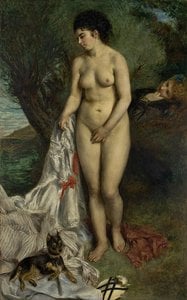
Nude -

William Etty (1787-1849): Pionier brytyjskiego malarstwa nienudnego. Kontrowersyjny, lecz wybitny artysta, sławny portretami i dramatycznymi scenami historycznymi. Odkryj jego twórczość!

Kup wysokiej rozdzielczości, ulepszony obraz cyfrowy, znacznie lepszy niż podgląd online.

Każdy plik jest starannie przygotowywany przez naszych specjalistów przy użyciu zaawansowanych narzędzi oraz profesjonalnej, ręcznej retuszy. Dbamy o to, aby każdy obraz cechował się wyjątkową ostrością, precyzyjnym odwzorowaniem kolorów i subtelnymi detalami.

Ostateczny plik dostarczany jest drogą mailową w ciągu 72 godzin, zoptymalizowany do natychmiastowego wykorzystania w profesjonalnych zastosowaniach redakcyjnych i poligraficznych. To ta sama jakość, której ufają czołowe studia projektowe, wydawnictwa oraz galerie sztuki.

Obraz cyfrowy

Pobierz plik o wysokiej rozdzielczości do osobistego wyświetlania, druku oraz projektów kreatywnych.

Suma do zapłaty

$9.99

Zawarte w każdym zamówieniu na obraz cyfrowy

Profesjonalna dostawa cyfrowa, gwarantowana

Wybierając WahooArt.com, nie otrzymujesz jedynie obrazu – otrzymujesz profesjonalnie udoskonalone cyfrowe dzieło sztuki, stworzone z najwyższą precyzją i objęte gwarancją satysfakcji. Oto wszystko, co automatycznie dołączane jest do Twojego zamówienia:

shipping_icon
Błyskawiczna wysyłka e-mailowa

Plik z obrazem cyfrowym w wysokiej rozdzielczości zostanie przesłany na Twój adres e-mail w ciągu 72 godzin od złożenia zamówienia – gotowy do natychmiastowego użycia.

canvas_icon
Plik cyfrowy wzbogacony przez AI

Twoja grafika została profesjonalnie zoptymalizowana przy użyciu zaawansowanych narzędzi AI oraz ręcznej edycji, co zapewnia maksymalną szczegółowość, klarowność i wierność kolorów.

insurance_icon
Dożywotnia darmowa ponowna dostawa

Przypadkowo usunąłeś lub zgubiłeś swój plik? Bez obaw – prześlemy go Tobie ponownie w dowolnym momencie, bez żadnych opłat.

tax_icon
Bez opłat importowych – zawsze

Ciesz się swoją sztuką natychmiast, bez żadnych opłat celnych, należności ani kosztów dostawy – pliki cyfrowe są zawsze wolne od podatku.

color_icon
Gwarancja wierności kolorów

Dzięki zastosowaniu profesjonalnych narzędzi i procesów zarządzania barwą zapewniamy, że Twoje cyfrowe zdjęcie odzwierciedla oryginalne kolory tak wiernie, jak to tylko możliwe.

return_icon
60-dniowa gwarancja satysfakcji

Jeśli nie będziesz zadowolony ze swojego cyfrowego obrazu, poprawimy go lub zwrócimy 100% kosztów w ciągu 60 dni – bez żadnych pytań.

guarantee_icon
100% Gwarancja zwrotu pieniędzy

Nie zadowoleni? Otrzymaj pełny zwrot kosztów w ciągu 60 dni od otrzymania pliku cyfrowego – bez zbędnych pytań.

discount_icon
Rabaty na zamówienia hurtowe

Kup 3 obrazy, oszczędź 10% - Kup 5, oszczędź 15% - Kup 10+, oszczędź 20%. Idealne do projektów kreatywnych, galerii i agencji.


Biografia artysty

A Pioneer of the British Nude: The Life and Art of William Etty

William Etty, a name perhaps less instantly recognizable than his contemporaries like Turner or Constable, nevertheless occupies a pivotal position in 19th-century British art. Born in York on March 10, 1787, above his father’s bakery, Etty's journey from humble beginnings to Royal Academician was one marked by relentless dedication, artistic innovation, and no small measure of controversy. His early life offered little indication of the path he would forge. Apprenticed at age twelve to a printer in Hull, seven years were spent immersed in the practicalities of typography – a world far removed from the canvases that would eventually bear his signature. Yet, even amidst the mechanical demands of printmaking, Etty nurtured a burgeoning passion for drawing, an impulse that ultimately propelled him towards London and the hallowed halls of the Royal Academy Schools in 1807. There, under the tutelage of Thomas Lawrence, he honed his skills through diligent copying, laying the foundation for a career defined by masterful depictions of the human form.

The Rise to Prominence: Nudes and Controversy

Etty’s breakthrough arrived in 1821 with *Cleopatra's Arrival in Cilicia*, a painting that immediately ignited both admiration and scandal. The work, teeming with nude figures, was exhibited to widespread acclaim, yet simultaneously earned him a reputation for indecency. This duality would become a defining characteristic of his career. He wasn’t merely depicting nudity; he was exploring the human form with an unprecedented realism and anatomical precision for a British artist of that era. His commitment to accurately rendering flesh tones, light, and shadow – influenced by his study of Venetian masters like Titian and Rubens during travels in Italy and France – set him apart. He continued to produce historical scenes populated with nudes, often drawn from classical mythology or literature, such as *The Sirens and Ulysses*. These works were commercially successful, allowing Etty to thrive despite the constant criticism leveled against his subject matter. The prevailing Victorian sensibilities found much of his work shocking, considering the public’s perception of nudity at that time. Despite this, he persisted in his artistic vision, driven by a deep fascination with the human body and its expressive potential.

Beyond the Nude: Portraits and Still Life

While Etty is most celebrated for his nudes, his artistic range extended beyond this controversial domain. Recognizing the need to broaden his appeal – and perhaps secure a more stable income – he ventured into portraiture during the 1830s. Though not as groundbreaking as his figure paintings, these portraits demonstrate his technical skill and ability to capture character. He also developed a significant interest in still life, meticulously studying the textures and colors of objects like fruit, flowers, and drapery. This exploration of detail and observation reflects a growing maturity in his artistic practice, showcasing a desire to move beyond mere representation and delve into deeper layers of meaning. His later works often combined elements of portraiture, historical narrative, and still life, creating complex and layered compositions that reveal the breadth of his talent.

Influences and Artistic Development

Etty’s artistic development was shaped by a diverse range of influences. Early on, he admired the works of Venetian masters like Titian and Rubens, particularly their mastery of color and light. His time in Italy proved crucial, allowing him to study these artists firsthand and absorb their techniques. The influence of Thomas Lawrence, his tutor at the Royal Academy, is also evident in Etty’s early work, characterized by a polished style and attention to detail. However, as he matured as an artist, Etty began to develop his own distinctive voice, marked by a greater emphasis on emotional intensity and psychological depth. He was particularly drawn to the works of Shakespeare and Milton, which informed many of his historical paintings. The Romantic movement, with its focus on emotion, imagination, and the sublime, also exerted a significant influence on his art, evident in the dramatic lighting and dynamic compositions of his later works.

Legacy and Rediscovery

William Etty died in York on November 13, 1849, leaving behind a substantial body of work that initially enjoyed considerable popularity. However, tastes shifted in the decades following his death, and his paintings fell into relative obscurity. By the late 19th century, his once-celebrated works were largely forgotten, dismissed as outdated or simply too shocking for Victorian sensibilities. A remarkable rediscovery began in the early 21st century. His inclusion in Tate Britain’s landmark *Exposed: The Victorian Nude* exhibition (2001–2002) sparked renewed interest in his art, prompting critical reevaluation and a reassessment of his place in British art history. The restoration of *The Sirens and Ulysses* in 2010 further cemented this revival, revealing the brilliance of his technique and the enduring power of his vision. Today, William Etty is recognized as a pioneering figure who challenged artistic conventions, celebrated the human form with unparalleled realism, and left an indelible mark on the landscape of British art. His works stand as testaments to his skill, dedication, and unwavering commitment to capturing the beauty and complexity of the human experience.

Key Works

  • Cleopatra's Arrival in Cilicia (1821): The painting that launched Etty’s career and established his reputation for depicting nudes.
  • The Sirens and Ulysses (1837): A dramatic depiction of Homer’s epic, showcasing Etty’s mastery of composition and anatomy.
  • Reverend William Jay (c. 1836-40): An example of his portraiture work, demonstrating a keen eye for character.
  • Standing Female Nude (date unknown): A study showcasing Etty’s exceptional skill in rendering realistic flesh tones and form.
William Etty

William Etty

1787 - 1849 , Wielka Brytania

Krótka nota

  • Artistic Movement Or Style: Romanticizm
  • Artists Or Movements Influenced By This Artist:
    • Tycjan
    • Rubens
  • Artists Who Influenced This Artist: ['Lawrence']
  • Date Of Birth: 10 marca 1787
  • Date Of Death: 13 listopada 1849
  • Full Name: William Etty
  • Nationality: Brytyjczyk
  • Notable Artworks:
    • Kleopatra
    • Syreny i Odyseusz
    • Nuda
  • Place Of Birth: York, Wielka Brytania