


Dzieło sztuki prezentowane na tej stronie podlega ochronie prawem autorskim, co oznacza, że nie mamy prawa do tworzenia ani sprzedaży jego identycznej reprodukcji. Ochrona ta jest egzekwowana na mocy umów międzynarodowych, takich jak Konwencja berneńska oraz przez przepisy prawa krajowego, w tym te określone w Prawo autorskie USA – Tytuł 17.
Metoda ta jest w pełni zgodna z przepisami prawa autorskiego, ponieważ nie polega na kopiowaniu ani powielaniu chronionego dzieła. Stanowi ona kreatywną reinterpretację – nowy obraz, który czerpie inspirację z oryginału, ale nie jest z nim tożsamy.
Wydruki giclée lub płótna o jakości muzealnej, szybka realizacja i szeroki wybór opcji wykończenia. ( Zamów ręcznie malowaną reprodukcję Przejdź do wersji cyfrowej)





























Wybierz spośród naszych standardowych rozmiarów, które zachowują oryginalne proporcje dzieła sztuki.

Wpisz wymaganą szerokość i wysokość, aby dopasować grafikę do ramy lub ściany. Wydruk można jedynie przyciąć, nigdy nie powiększając go poza oryginalny obraz, dlatego format o innych proporcjach spowoduje utratę części kompozycji. Przed rozpoczęciem druku prześlemy Ci cyfrowy podgląd do zatwierdzenia. Obraz wyświetlany na tej stronie nie pokazuje rzeczywistego przycięcia — jedynie podgląd oddaje ten efekt.
Dostawa na cały świat () w ciągu 2 tygodni zamiast standardowych 4/5 tygodni. (8 Listopad)
Placer Mining
Wymiary reprodukcji
Step closer to observe the quiet intensity of this scene from 1854. In Placer Mining, we find ourselves on a California hillside during the height of the gold rush, witnessing a group of men engaged in the grueling, rhythmic labor of extraction. The composition centers on the Long Tom, a wooden sluice box stretching several feet through the dirt. You can almost hear the steady flow of water from the flume as it washes over the earth. Two men are positioned at the top, shoveling soil into the apparatus, while the heavier particles—the gold and sand—slowly drift downward to settle against the riffles. It is a scene defined by collective effort and the singular focus required to find fortune in the silt.
The figures are distributed with a careful balance across the landscape. Some men kneel in the dirt, while others stand or sit, their bodies angled toward the work at hand. There is a notable variety in their appearance; notice how each man wears a different style of hat, a small detail that suggests a diverse gathering of individuals brought together by a common purpose. A pickaxe rests near the middle-right, and shovels are placed strategically throughout the foreground and center, grounding the activity in the physical tools of the era.
The artist employs an academic foundation to render this historical moment with remarkable precision. The handling of the figures is skilled, creating a sense of movement that feels natural rather than staged. There is a meticulous attention to the actual mechanics of the mining process, from the way the water moves through the wooden box to the texture of the excavated hillside. This level of detail suggests an intimate familiarity with the methods used by prospectors during this period.
The palette remains grounded in the earth tones of the landscape—browns, greens, and muted hues that reflect the dusty reality of the mining site. Through these colors, the painting conveys the weight of the work and the grit of the environment. The atmosphere is one of determination. There is no grand drama here, only the steady, repetitive motion of men searching through the earth, capturing a specific chapter of California history through the lens of honest, physical toil.
„Placer Mining” charakteryzuje się paletą Earthy, w której dominuje Walnut (#623b26).
Dla dzieła „Placer Mining” – William Chadwick sugerowana jest reprodukcja w formacie Medium. Rozmiar można dostosować, zachowując proporcje.
Paleta Earthy dzieła „Placer Mining” – William Chadwick współgra z jego Nostalgic wydźwiękiem emocjonalnym. Kolor jest jednym ze sposobów, w jakie praca przekazuje emocje.


1879 - 1962
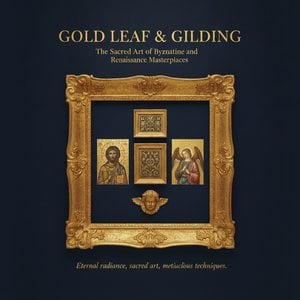
Explore the divine mastery of Byzantine gold leaf and gilding. Discover how ancient artisans used gold ground and mosaics to create celestial light, a timeless legacy of spiritual splendor and technical excellence in sacred art history.

Embark on a visual journey through the world's most radiant masterpieces. Discover how gold leaf, impasto textures, and gilded tones define luxury in fine art, from Byzantine icons to modern abstracts. Explore the eternal allure of gold in curated, museum-quality art collections.

Journey through the divine elegance of Duccio di Buoninsegna. Explore 25 iconic Sienese masterpieces, from the Maestà to the Rucellai Madonna. Find inspiration for museum-quality art reproductions and timeless decor. Discover all masterpieces on WahooArt.com.

Transform your interiors with the timeless radiance of gold leaf art. Discover museum-quality, hand-painted oil reproductions and bespoke gilded commissions. From Byzantine splendor to Klimt’s brilliance, explore exquisite pieces curated for the most discerning luxury collectors.

Immerse yourself in the golden splendor of Gustav Klimt. Explore 25 iconic Art Nouveau masterpieces, from The Kiss to his legendary portraits. Discover the stories behind these timeless works and find museum-quality art reproductions on WahooArt.com.
 Podgląd w skali 1:1
 Wyślij jako kartkę
 Udostępnij
 Szczegóły dzieła
 Przewodnik

 Pobierz obraz
 Podobne obiekty
 RTG
RTG Pokaz slajdów
 Pytania i odpowiedzi
 Statystyki


 Rozwiń treść









 Opcja ze szkłem jest dostępna wyłącznie w rozmiarach poniżej 110 cm


